
Summary
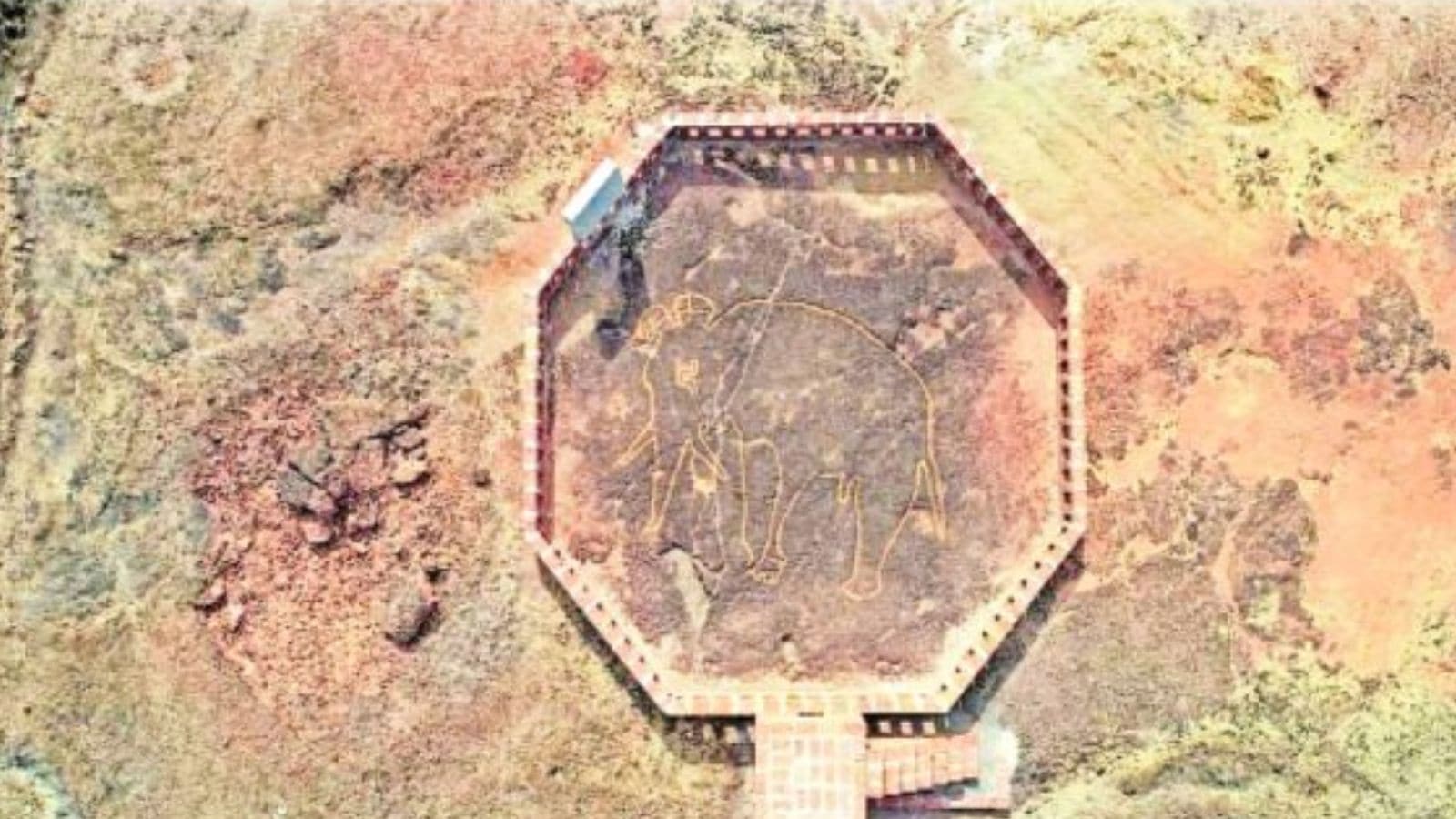
The government has faced strong criticism after announcing a plan to spend Rs 14.50 crore on a documentary film. The film focuses on petroglyphs, which are ancient rock carvings found in the Konkan region. Opposition leaders argue that this amount is far too high for a single documentary and suggest the money is being misused. While the government says the project will help promote tourism and history, the high cost has turned into a major political debate.
Main Impact
The primary impact of this decision is a growing lack of trust regarding how public money is spent on cultural projects. By choosing to spend such a large sum on a film, the government has invited questions about its spending priorities. Critics believe that while preserving history is important, the cost should be reasonable and transparent. This situation has forced the government to defend its budget and explain why a documentary requires such a massive investment of taxpayer funds.
Key Details
What Happened
The state government recently cleared a proposal to create a high-quality documentary about the petroglyphs located in the Ratnagiri and Sindhudurg districts. These rock carvings are thousands of years old and are considered a vital part of human history. The government wants to showcase these sites to the world to attract more tourists and researchers. However, as soon as the budget of Rs 14.50 crore was made public, Opposition parties began to protest. They claim that the cost is inflated and that the contract process needs to be checked for any signs of favoritism.
Important Numbers and Facts
The total budget set aside for this single documentary project is Rs 14.50 crore. For comparison, many high-quality educational films and documentaries are made for a small fraction of this price. The petroglyphs themselves are spread across dozens of sites in the Konkan area, with some carvings dating back over 10,000 years. These sites are currently on the tentative list for UNESCO World Heritage status, which adds to their global importance. The government argues that a world-class film is necessary to meet international standards for such a prestigious historical site.
Background and Context
Petroglyphs are pictures or symbols carved into the surface of rocks. In the Konkan region of India, these carvings show animals, humans, and strange geometric shapes that tell us how people lived many thousands of years ago. For a long time, these sites were hidden under layers of soil and grass. It is only in recent years that experts have started to study them seriously. Because they are so old and unique, they are very important for understanding early human life in this part of the world.
The government believes that making a professional film will put these sites on the global map. They argue that high-quality cameras, expert researchers, and advanced graphics are needed to make the film look professional. They want the documentary to be good enough to be shown on international television channels. However, the public often views such large spending with doubt, especially when other basic needs like schools or roads require more funding.
Public or Industry Reaction
The reaction from Opposition leaders has been sharp and direct. They have called the project a "wasteful expense" and have asked for a detailed breakdown of where every rupee will go. Some politicians have suggested that the government is using the documentary as a way to give money to specific production houses. On social media, many citizens have also expressed surprise at the cost, comparing it to the budgets of popular regional movies.
On the other hand, some history experts and tourism officials support the idea of a high-quality film. They believe that the petroglyphs are a hidden treasure that deserves the best possible promotion. They argue that if the film helps the site get UNESCO recognition, it could bring millions of dollars in tourism revenue to the local area in the long run. However, even these supporters agree that the spending must be handled with total honesty.
What This Means Going Forward
Moving forward, the government will likely face more pressure to show how the money is being used. There may be calls for an audit or a public review of the production costs. If the government cannot prove that the Rs 14.50 crore is being spent wisely, it could hurt their reputation. The success of the project now depends on the quality of the final film. If the documentary is truly world-class and helps the region, some of the criticism might fade. If the film is average, the anger over the high cost will only grow.
Final Take
Promoting history is a good goal, but it must be done with a clear sense of value for money. Spending Rs 14.50 crore on a documentary is a bold move that carries a high risk. The government must ensure that this project results in real benefits for the Konkan region and its people. Without transparency, even the best cultural projects can look like financial mistakes in the eyes of the public.
Frequently Asked Questions
What are petroglyphs?
Petroglyphs are ancient images or symbols created by carving or scratching into a rock surface. The ones in the Konkan region are thousands of years old and show early human history.
Why is the Opposition protesting the documentary?
The Opposition believes that the budget of Rs 14.50 crore is way too high for a documentary film. They are asking for more transparency and questioning if the money is being spent properly.
Where are these rock carvings located?
These specific carvings are located in the Konkan region of Maharashtra, mainly in the districts of Ratnagiri and Sindhudurg. They are considered very important historical sites.



