
Summary
Kolkata is taking a major step forward in its public transport plans. The Kolkata Police and Rail Vikas Nigam Limited (RVNL) have agreed on a three-night work schedule to finish a difficult part of the New Garia-Airport Metro line. This agreement allows construction teams to work on a critical section of the track without causing massive traffic jams during the day. This move is essential for keeping the long-awaited Orange Line project on schedule.
Main Impact
The primary impact of this decision is the acceleration of the metro construction process. By securing these night blocks, RVNL can now perform heavy-duty tasks that are impossible to do when the roads are full of cars. This includes moving large steel structures and pouring heavy concrete. For the people of Kolkata, this means the dream of a fast and direct rail link between the southern suburbs and the international airport is getting closer to reality. It also shows a high level of cooperation between city authorities and railway engineers to solve complex urban problems.
Key Details
What Happened
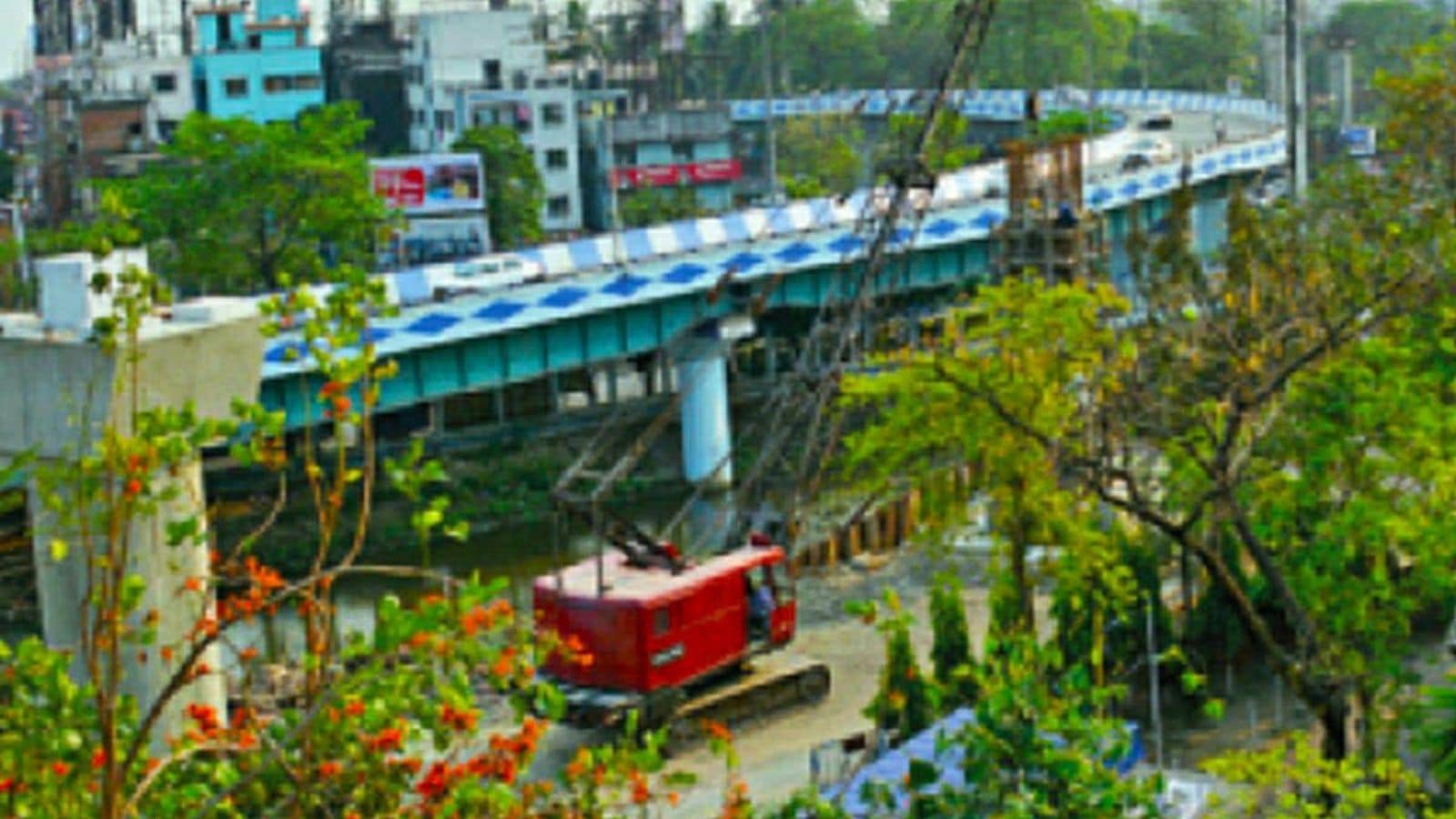
After several rounds of discussions, the Kolkata Police gave the green light to RVNL for a three-night traffic block. This was necessary because the construction site sits right above some of the busiest roads in the city. The police had to carefully study traffic patterns to ensure that closing these roads at night would not leave trucks and emergency vehicles stranded. The work will focus on a specific stretch where the metro tracks must cross over major intersections. During these three nights, traffic will be diverted to alternative routes, and extra police officers will be on duty to guide drivers.
Important Numbers and Facts
The work is scheduled to take place over three consecutive nights, starting late in the evening and ending before the morning rush hour begins. Each block will last for approximately six hours, typically from 11:00 PM to 5:00 AM. The focus area is the Chingrighata and Metropolitan crossing on the EM Bypass. This location is one of the most congested points in the city, handling thousands of vehicles every hour during the day. Completing this work is a requirement for finishing the 32-kilometer-long Orange Line, which will eventually have 24 stations.
Background and Context
The New Garia-Airport Metro project, also known as the Orange Line, has faced many challenges since it started. It is designed to connect the southern part of the city to the IT hub in Salt Lake Sector V and finally to the airport. However, the project has been delayed several times due to problems with getting land and the difficulty of building in very crowded areas. The stretch near Chingrighata has been particularly hard to finish because it is a major gateway for traffic entering and leaving the city. Without these night blocks, the project would likely face even more years of delay.
Public or Industry Reaction
The reaction from the public has been mostly positive. Many residents who travel to the airport or work in the IT sector are eager for the metro to open, as it will cut travel time by more than half. While some late-night travelers are worried about the road diversions, most understand that night work is the best way to avoid total gridlock. Transport experts have also praised the move, noting that using night blocks is a standard practice in big cities around the world to finish large infrastructure projects safely and quickly.
What This Means Going Forward
Once these three nights of work are finished, a major physical barrier to the project will be gone. This will allow RVNL to move on to the next phase, which includes laying the actual tracks and installing the electrical wires that power the trains. It also sets a pattern for how the remaining difficult sections of the line will be handled. If this night work is successful, the authorities may use the same method for other parts of the city. The goal is to have more sections of the Orange Line ready for trial runs by the end of the year, bringing the city one step closer to a fully connected metro network.
Final Take
Building a modern metro system in an old and crowded city requires careful planning and a lot of patience. The agreement between the police and the railway builders is a clear sign that the city is prioritizing progress. While three nights of road closures might seem like a small event, they represent a huge leap forward for the future of travel in Kolkata. This coordination ensures that the city keeps moving while it builds for tomorrow.
Frequently Asked Questions
Why is the metro work being done only at night?
The work involves moving very large and heavy materials over busy roads. Doing this during the day would be dangerous and would cause massive traffic jams that could last for hours. Working at night keeps everyone safe and keeps the city moving during the day.
Which areas will be affected by the traffic diversions?
The main areas affected are around the EM Bypass, specifically the Metropolitan and Chingrighata crossings. Drivers are advised to use alternative routes suggested by the Kolkata Police during the work hours, which are usually between 11:00 PM and 5:00 AM.
When will the New Garia-Airport Metro line be fully open?
While some parts of the line are already being tested or are close to opening, the full line to the airport is expected to be finished in stages. This current work is a major step toward completing the entire route, with more sections expected to open over the next year.



