
Summary
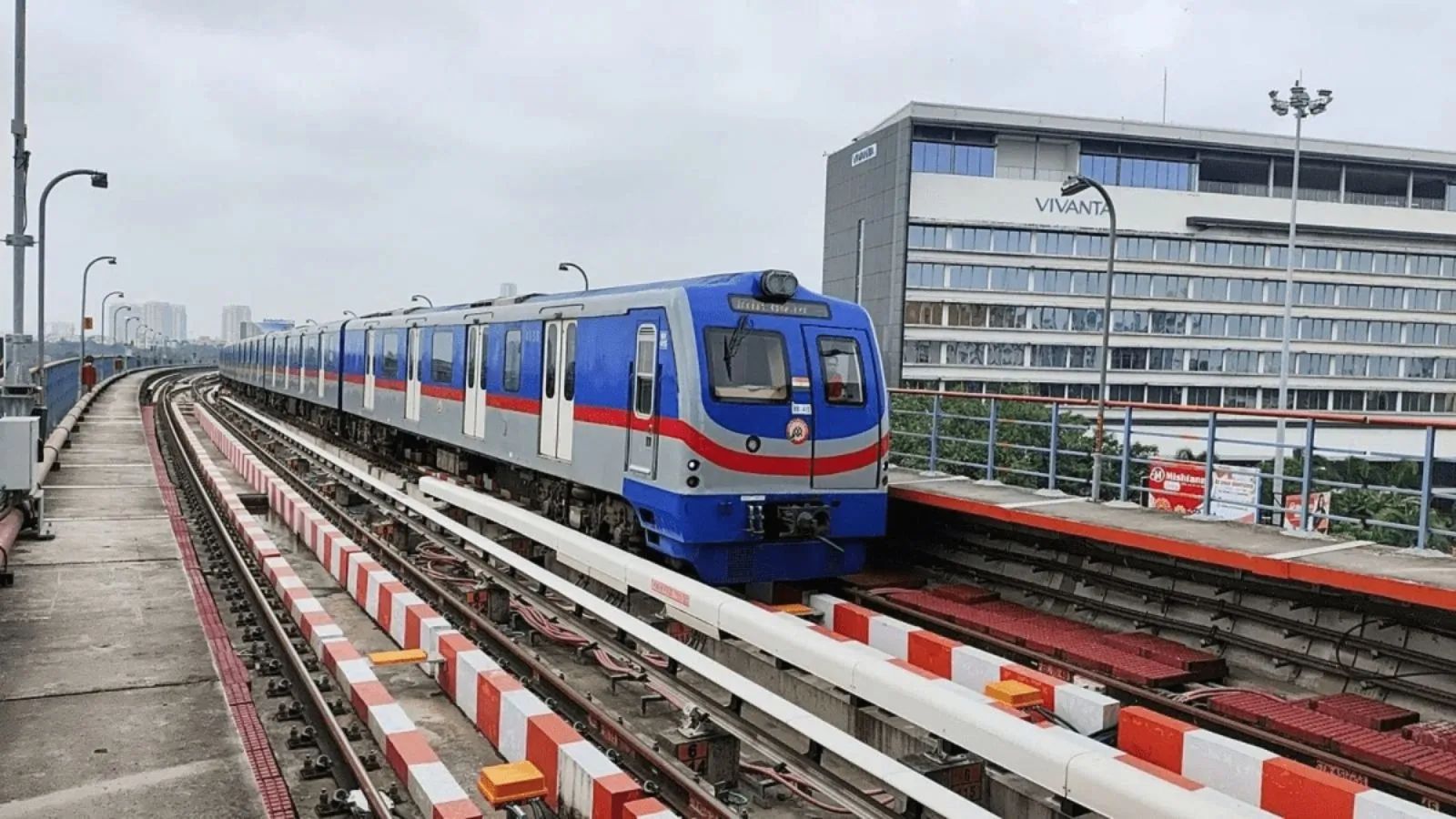
Kolkata Metro is set to receive 14 new-generation train rakes during the financial year 2026-27. This move aims to increase passenger capacity and improve service frequency on the city's busy metro lines. The new rakes are expected to reduce waiting times and ease overcrowding, especially during peak hours.
Main Impact
The arrival of these 14 modern rakes will directly boost the number of trains available for daily operations. This means shorter gaps between trains and more space for passengers. For commuters, this translates to less crowded coaches and a more comfortable travel experience. The upgrade is part of a larger effort to modernize Kolkata's metro network, which is one of the oldest in India.
Key Details
What Happened
The Kolkata Metro Railway has announced plans to receive 14 new-generation rakes in the financial year 2026-27. These rakes are part of a broader procurement plan to replace older trains and expand the fleet. The new rakes are designed with better features, including improved air conditioning, better lighting, and more comfortable seating.
Important Numbers and Facts
The 14 rakes are expected to be delivered between April 2026 and March 2027. Each rake typically consists of multiple coaches, so the total number of new coaches will be significant. The exact cost of the procurement has not been disclosed, but it is part of a larger investment in metro infrastructure. The new rakes will primarily serve the busy North-South corridor, which connects key areas like Dum Dum and New Garia.
Background and Context
Kolkata Metro, which started operations in 1984, is the oldest metro system in India. Over the years, it has faced challenges with aging infrastructure and growing passenger numbers. The current fleet includes many older rakes that are less efficient and more prone to breakdowns. The introduction of new-generation rakes is part of a phased modernization plan to improve reliability and capacity. Similar upgrades have been carried out in other metro systems like Delhi and Mumbai.
Public or Industry Reaction
Commuters have generally welcomed the news. Many have expressed hope that the new rakes will reduce the daily struggle of finding space in crowded trains. Passenger associations have called for faster implementation and more frequent services. Industry experts have noted that the new rakes will also help reduce energy consumption and maintenance costs over time. However, some have pointed out that infrastructure upgrades, such as platform modifications, may be needed to fully utilize the new trains.
What This Means Going Forward
The addition of 14 new rakes is a positive step, but it is not a complete solution. Kolkata Metro still needs to address other issues like signal upgrades, station improvements, and better last-mile connectivity. The new rakes will help manage current demand, but as the city grows, further expansions will be needed. The success of this initiative will depend on timely delivery and proper integration with existing systems. If all goes as planned, commuters can expect noticeable improvements in service quality by late 2027.
Final Take
The plan to add 14 new-generation rakes to Kolkata Metro's fleet is a practical move to address overcrowding and improve service. While it is not a magic fix, it represents a solid investment in the city's public transport future. For daily commuters, the promise of more trains and less waiting is a welcome change. The real test will be in the execution and whether the benefits reach the passengers as expected.
Frequently Asked Questions
When will the new rakes start operating?
The new rakes are expected to be delivered during the financial year 2026-27. After delivery, they will undergo testing and commissioning before entering regular service. This process could take a few months, so passengers may see them in operation by mid to late 2027.
Will the new rakes reduce ticket prices?
No, the introduction of new rakes is not linked to any change in ticket prices. The main goal is to improve capacity and comfort, not to lower fares. Ticket prices are determined by other factors like operational costs and government policy.
Which metro lines will get the new rakes first?
The new rakes are primarily intended for the North-South corridor, which is the busiest line. However, they may also be used on other lines depending on operational needs. The exact allocation will be decided by metro authorities closer to the delivery date.



