
Summary
Kevin Warsh, the nominee to lead the U.S. Federal Reserve, plans to change how the central bank communicates with the public. He wants to move away from the current "chatty" style of giving constant updates and forecasts to investors. Warsh believes the Fed should work more quietly and stop trying to manage market reactions with every move. This shift could end years of transparency that Wall Street has come to rely on for making financial decisions.
Main Impact
The biggest change under Warsh would be the end of "forward guidance." This is the practice where the Fed tells the world what it plans to do with interest rates months in advance. Warsh argues that this habit makes the Fed less flexible. If he takes over, the central bank will likely stop giving so many hints about the future. This will force investors to focus more on economic data rather than waiting for the Fed Chairman to tell them what to do next.
Key Details
What Happened
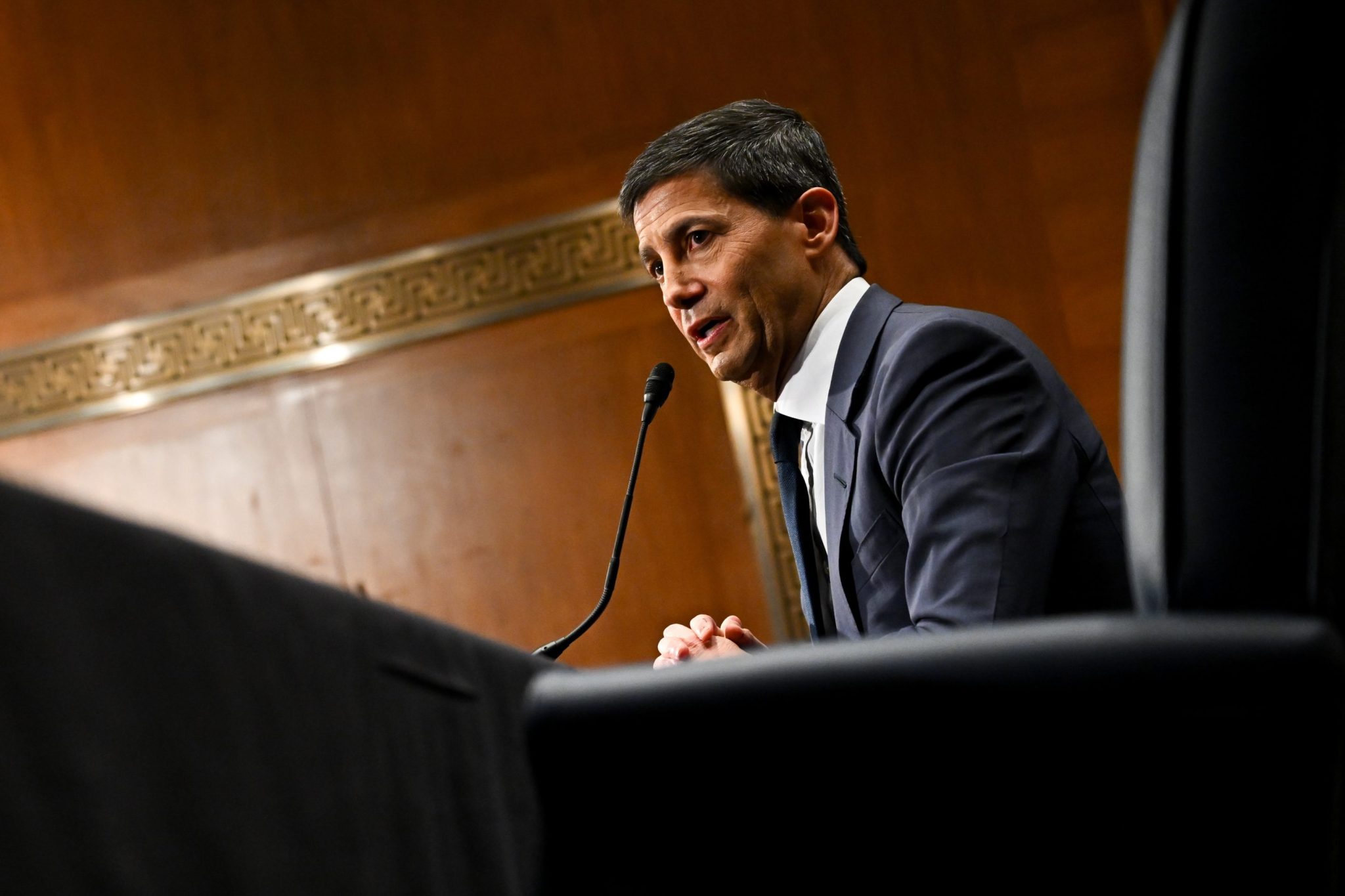
During a recent Senate hearing, Kevin Warsh criticized the way the Federal Reserve currently talks to the public. He specifically targeted the "dot plot," which is a chart that shows where Fed officials think interest rates are headed. Warsh said that when the Fed publishes these forecasts, they often feel stuck with them. He believes it is better for the Fed to wait until its actual meetings to make decisions based on the most recent information, rather than following a plan made months earlier.
Important Numbers and Facts
The Fed's current way of talking has not always helped the average person. For example, even though the Fed has cut its main interest rate recently, many consumer costs have stayed high. At the end of 2025, the average monthly payment for a car loan hit a record high of $767. This was an increase of nearly 3% from the year before. Additionally, mortgage rates have remained high even when the Fed tried to signal that rates would go down. These figures suggest that the Fed's constant communication may not be as effective as many people think.
Background and Context
The Federal Reserve is the central bank of the United States. Its job is to keep prices stable and help the economy grow. For a long time, the Fed was very private. However, starting around 2012, it began to share more information to help markets stay calm. Jerome Powell, the current chairman, is known for being very open and speaking to the press often. Warsh believes this has gone too far. He wants the Fed to be a "backseat" player that does its job without seeking attention or approval from the stock market.
Public or Industry Reaction
Wall Street experts are worried about losing the information they get from the Fed. Analysts at big banks like J.P. Morgan say that the "dot plot" and press briefings help them figure out how much stocks and bonds are worth. Without these signals, they fear the market will become more "volatile," meaning prices will jump up and down more often. However, some leaders, like Jamie Dimon of J.P. Morgan, agree with Warsh. They think the Fed should focus on long-term strategy instead of worrying about what happens in the market every day.
What This Means Going Forward
If the Senate confirms Warsh, the Fed will become much more private. We may see fewer press conferences and the end of quarterly interest rate forecasts. This could make it harder for banks and home buyers to predict what will happen with loans. There is also a concern about the Fed's independence. Some people worry that a quieter Fed might be more easily influenced by politicians. Warsh has said he will remain independent, but many experts say he will have to prove this through his actions once he is in the job.
Final Take
The move toward a quieter Federal Reserve marks a major shift in how the U.S. economy is managed. While investors may miss the constant updates, a Fed that speaks less might be a Fed that acts more wisely. By stepping out of the spotlight, the central bank could regain the flexibility it needs to respond to sudden economic changes without being held back by its own past promises.
Frequently Asked Questions
What is the "dot plot" that Kevin Warsh wants to remove?
The dot plot is a chart published four times a year. It shows where each member of the Federal Reserve expects interest rates to be in the future. It is used by investors to guess the Fed's next moves.
Why does Warsh want the Fed to talk less?
He believes that when the Fed talks too much about the future, it gets stuck in its own forecasts. He thinks the Fed should be able to change its mind during meetings if the economy changes, without worrying about breaking a promise to the public.
Will this change affect my mortgage or car loan?
It might make interest rates for loans harder to predict. Currently, the Fed gives hints that help banks set rates. Without those hints, rates might change more suddenly based on new economic news.



