
Summary
Kerala is showing strong signs of being ready for the latest solid waste management rules. Experts believe the state has built a solid foundation over the years through local community efforts and government programs. This preparation is expected to make the transition to stricter environmental standards much smoother than in many other parts of the country. By focusing on local solutions, the state has already put in place the workers and systems needed to handle trash effectively.
Main Impact
The primary impact of these new rules will be a cleaner environment and more efficient recycling systems across the state. By following these guidelines, Kerala aims to significantly reduce the amount of trash that ends up in open spaces, forests, or water bodies. This move also strengthens the state's position as a leader in green initiatives and public health. For the average citizen, this means better waste collection services and a healthier living environment, though it also requires more responsibility in how they sort their daily trash.
Key Details
What Happened
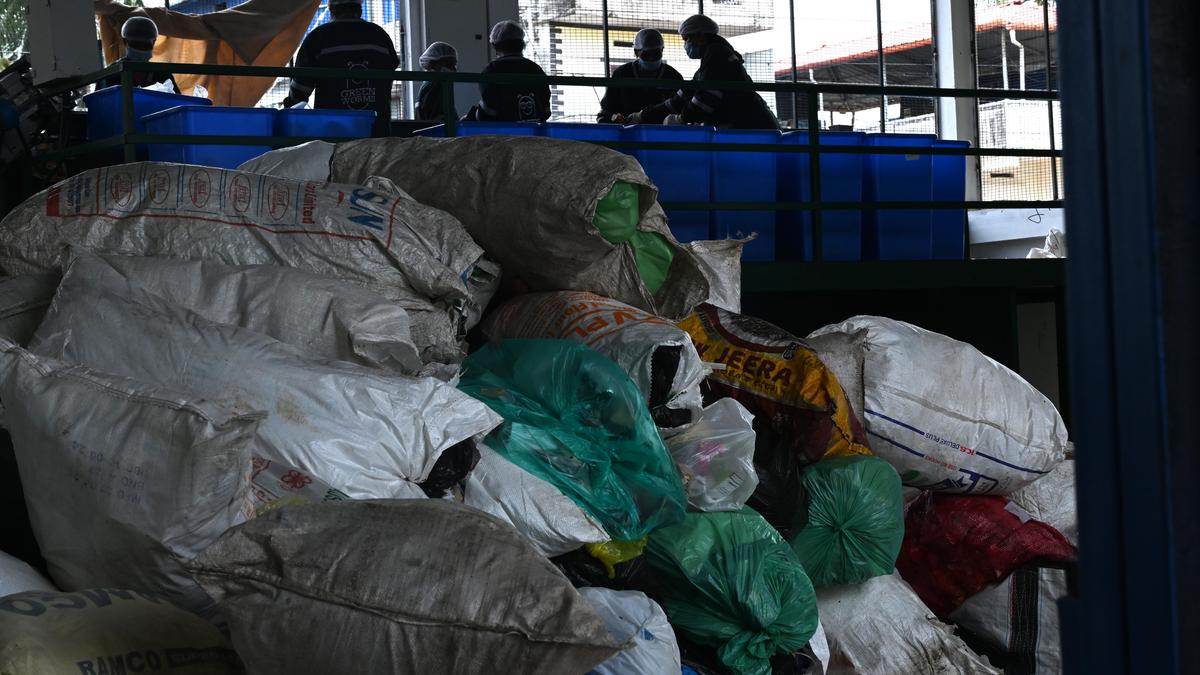
The government is introducing updated rules to manage garbage more strictly to protect the environment. While many states are struggling to figure out how to start, Kerala has already been practicing many of these rules for years. The state uses a decentralized system, which means waste is managed at the local level rather than being sent to one giant dump site. This includes door-to-door collection of plastic and other non-biodegradable items, which are then sent to specialized centers for sorting and recycling.
Important Numbers and Facts
The state has deployed a massive workforce known as the Haritha Karma Sena, or the Green Task Force. There are now over 30,000 members in this group who visit homes and shops to collect dry waste. To support them, the state has set up thousands of Material Collection Facilities (MCFs) and Resource Recovery Facilities (RRFs). Recent data shows that a large majority of local government bodies have already achieved high levels of waste segregation at the source. The state government has also set a goal to make Kerala completely waste-free through the "Malinya Muktham Nava Keralam" campaign, which translates to "Waste-Free New Kerala."
Background and Context
Kerala faces unique challenges when it comes to managing trash because it is very crowded and has a lot of rainfall. Unlike larger states, there is not much empty land available to create big landfills. In the past, this led to serious problems with garbage piling up in public places. Because of this lack of space, the state had to find a different way to work. They decided to focus on "source segregation," which means people must separate their food waste from plastic and paper right at home. This approach is now the main focus of the new national rules, giving Kerala a head start. The state also emphasizes composting organic waste at home or in community pits, which reduces the total amount of trash that needs to be moved.
Public or Industry Reaction
Environmentalists and urban planners are generally positive about the state's progress. They point out that the infrastructure is mostly in place, and the public is becoming more used to paying a small fee for waste collection. However, some industry experts say that while the systems are good, more money is needed to upgrade the technology in smaller towns. There is also a call for better handling of electronic waste and medical waste, which require more specialized treatment. Some residents have raised concerns about the regularity of collection in very remote areas, but overall, the feedback shows that people prefer the organized system over the old way of burning or burying trash.
What This Means Going Forward
Moving forward, the state will focus on making the system 100% efficient. This includes using GPS to track waste collection vehicles and using mobile apps to ensure every house is visited. There will also be a bigger push to stop the use of single-use plastics entirely. The government plans to turn more waste into energy or useful materials like compost for farmers. For businesses, the new rules mean they must take more responsibility for the packaging they produce. If Kerala succeeds, it will serve as a model for how other crowded regions around the world can manage waste without using large, harmful landfills.
Final Take
Kerala's proactive steps show that managing waste is not just about having expensive machines, but about getting the community involved. By building a system that relies on local workers and household participation, the state has turned a difficult problem into a manageable daily routine. The new rules will likely be a natural next step for a state that has already embraced a greener way of living.
Frequently Asked Questions
What is the Haritha Karma Sena?
It is a group of trained workers, mostly women, who go from house to house to collect non-biodegradable waste like plastic, glass, and metal for recycling.
Do residents have to pay for waste collection in Kerala?
Yes, households and shops pay a small monthly user fee to the Haritha Karma Sena to sustain the collection and processing system.
What happens to the food waste in this system?
The state encourages people to compost food waste at home or use community biogas plants, as the main collection system focuses on dry, recyclable materials.



