
Summary
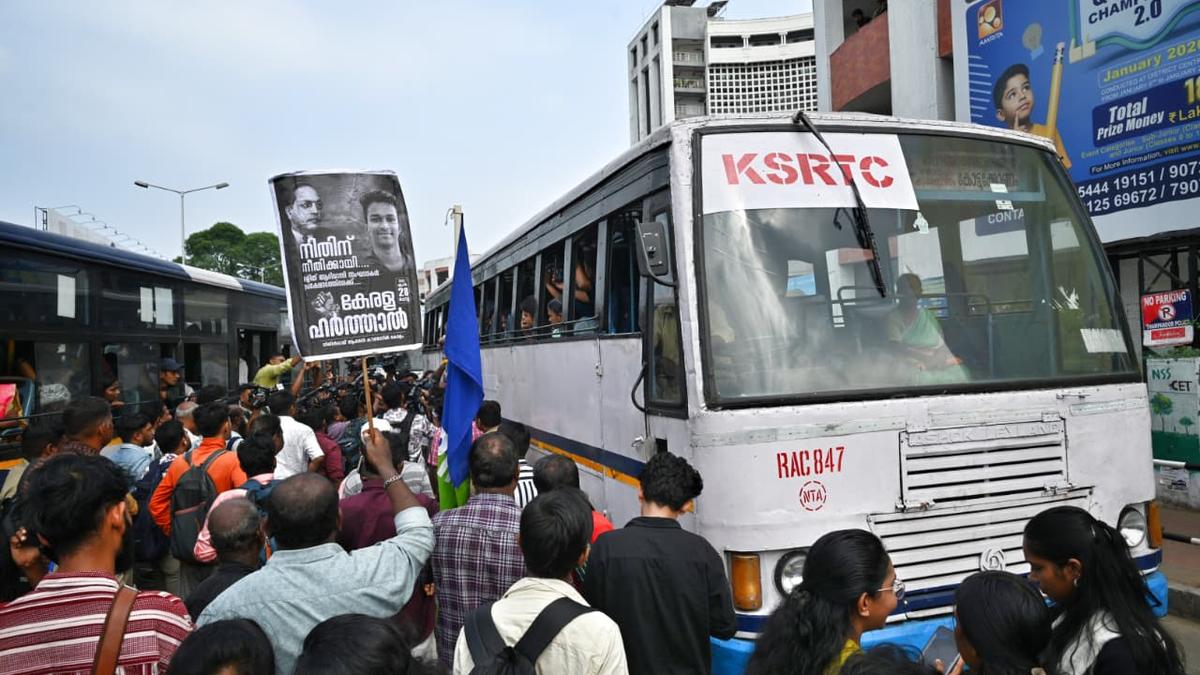
A statewide strike in Kerala has caused major disruptions to daily life across the region. The protest was organized by several Dalit and Adivasi groups following the tragic death of a dental student. These groups are demanding a fair investigation and justice for the student, who was enrolled in a Bachelor of Dental Surgery (BDS) program. The strike has led to closed shops, empty roads, and a halt in public transportation services in many districts.
Main Impact
The strike, known locally as a hartal, has had a significant effect on the state's movement and economy. Public transport, including state-run buses and private taxis, stayed off the roads in most areas. This left many people stranded at railway stations and bus stands. Businesses and shops also remained shut, leading to a quiet day in usually busy market areas. The impact was felt most strongly by daily wage workers and travelers who had not planned for a total shutdown of services.
Key Details
What Happened
From early morning, protesters gathered on main roads and at key intersections to enforce the strike. In several towns, groups of people blocked vehicles and asked drivers to turn back. While the protest was mostly peaceful, there were reports of protesters trying to stop work at nationalized banks. In some instances, protesters stood outside bank branches and asked employees not to enter. This caused a temporary stop to financial services in those specific locations.
One of the most notable parts of the protest involved the movement of people going to hospitals. Protesters set up checkpoints in some areas. They allowed people to pass only if they could prove they were traveling for medical reasons. Passengers were reportedly asked to show their medical records or doctor's appointments to be granted free passage through the blocked roads. This was done to show that the strike was serious while still allowing for emergency needs.
Important Numbers and Facts
The strike affected all 14 districts of Kerala, though some areas saw more activity than others. Hundreds of police officers were sent to various parts of the state to keep the peace and prevent any violence. Most private schools and colleges decided to stay closed for the day to ensure the safety of their students. While some private cars were seen on the roads, the number of vehicles was much lower than a normal working day. No major injuries or large-scale violence were reported during the first half of the day, but the tension remained high in several urban centers.
Background and Context
This protest is rooted in the death of a young student pursuing a BDS degree. The student belonged to a marginalized community, and the circumstances surrounding the death have caused a lot of pain and anger. Dalit and Adivasi organizations believe that the student faced unfair treatment or that the investigation into the death has been too slow. In Kerala, a hartal is often used as a powerful tool to get the attention of the government and the general public.
The community leaders argue that students from marginalized backgrounds often face unique challenges in professional colleges. They are calling for a deeper look into the social and academic environment that these students live in. By calling for a statewide strike, these groups want to ensure that the case is not ignored and that the family of the student receives the support and answers they deserve.
Public or Industry Reaction
The reaction to the strike has been a mix of support and frustration. Many people expressed their sympathy for the student's family on social media and agreed that a proper investigation is needed. However, the sudden nature of the strike caused problems for many. Small shop owners mentioned that losing a full day of sales is hard for their business. Travelers who had booked train or flight tickets found it very difficult to reach their destinations without public transport.
The state government has urged the public to remain calm. Police officials stated that they would take action against anyone who used force to close shops or stop vehicles. Despite these warnings, the fear of potential trouble kept most people indoors. The banking sector also expressed concern over the interference with their operations, noting that such disruptions affect the local economy and the ability of people to access their money.
What This Means Going Forward
The success of the strike in shutting down parts of the state shows the strength of the groups involved. It puts a lot of pressure on the state government and the police to speed up the investigation into the student's death. If the authorities do not provide clear answers soon, there is a possibility of more protests in the coming weeks. This event might also lead to new discussions about the safety and mental health support provided to students in professional courses, especially those from vulnerable communities.
The government may also look into how these strikes are handled. While the right to protest is important, the disruption of essential services like banking and transport is always a point of debate. For now, the focus remains on the legal steps being taken to address the demands of the Dalit and Adivasi organizations.
Final Take
The statewide strike has sent a clear message that the community will not stay silent regarding the death of the BDS student. While the day was marked by empty streets and closed doors, the underlying issue is about justice and equality. The coming days will be crucial as the government responds to the demands of the protesters and works to restore a sense of normalcy and trust within the community.
Frequently Asked Questions
Why was the strike called in Kerala?
The strike was called by Dalit and Adivasi groups to protest the death of a BDS student and to demand a fair and fast investigation into the case.
What services were affected by the protest?
Public transport, including buses and taxis, was mostly unavailable. Many shops and some nationalized banks were also closed during the strike.
Were people allowed to go to the hospital?
Yes, protesters generally allowed people to pass for medical emergencies, though some travelers were asked to show medical records to prove their need for travel.



