
Summary
Workers in Kerala who are part of the national rural employment program are facing a growing danger from snakebites. These laborers often work in areas with thick bushes and tall grass to clear the land. Because they work in these wild spots, they frequently come into contact with venomous snakes. This situation has raised serious concerns about the safety of workers who depend on this government scheme for their living.
Main Impact
The rise in snakebite incidents is creating a sense of fear among rural laborers. Most of these workers come from poor families and cannot afford expensive medical bills if they get hurt. When a worker is bitten, it does not just affect their health; it stops them from earning money for many weeks. This issue is also putting pressure on local hospitals to keep enough anti-venom medicine ready. Without proper safety gear, the people who keep the rural areas clean are putting their lives at risk every day they go to work.
Key Details
What Happened
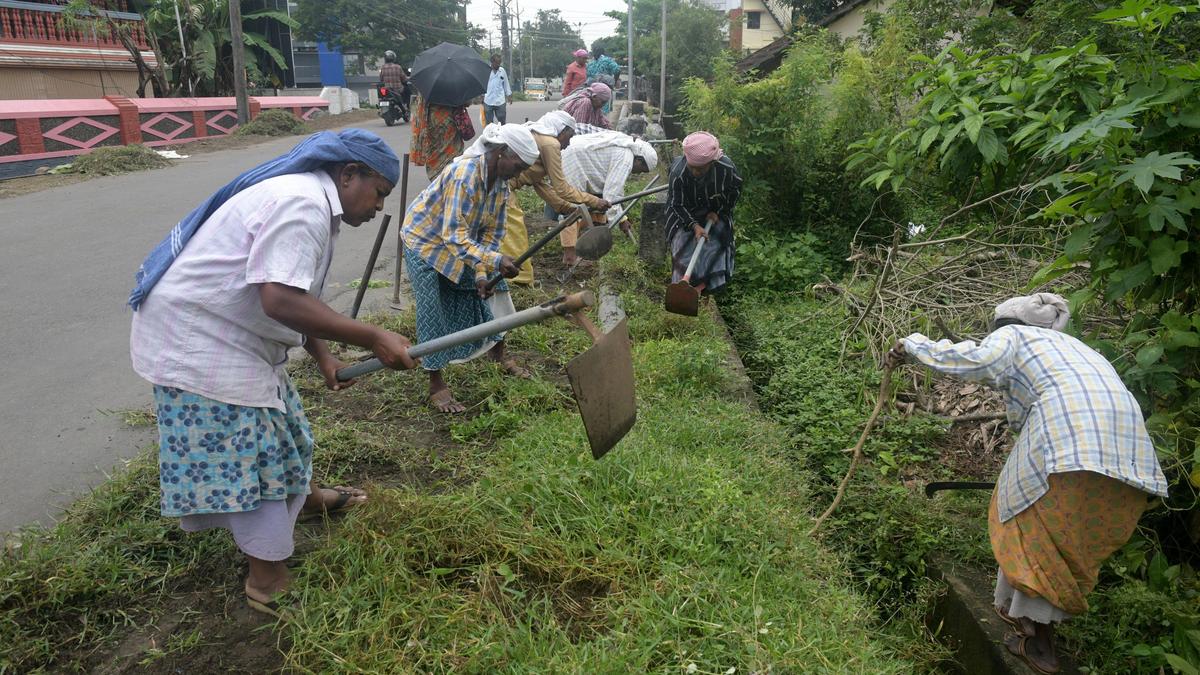
In many parts of Kerala, workers under the Mahatma Gandhi National Rural Employment Guarantee Act (MGNREGA) are assigned to clean up public land. This work involves cutting down thick weeds, clearing small plants, and cleaning out water channels. These spots are the natural homes for snakes. As workers move through the thick greenery, they often accidentally step on or disturb snakes like cobras and vipers. Many workers have reported being bitten because they could not see the snake hidden in the grass.
Important Numbers and Facts
In Kerala, a very high number of these rural workers are women. Statistics show that over 90% of the workforce in this scheme consists of women, many of whom are older. These workers often wear simple rubber sandals or work barefoot, which provides no protection against a snake's fangs. Reports from various districts show that snakebite cases increase during the rainy season and the months immediately after, which is also a busy time for rural work projects. While exact state-wide numbers for this month are being gathered, local health centers in rural areas have seen a steady flow of patients coming from these work sites.
Background and Context
The rural employment scheme is a vital lifeline for millions of people in India. It guarantees 100 days of work every year to help poor households. In Kerala, this program is used for many tasks, such as preparing land for farming, preventing floods by cleaning drains, and keeping the environment tidy. However, the geography of Kerala is very green and lush. This means that even small patches of land can quickly become overgrown with plants. While clearing this growth is good for the community, it brings humans into close contact with wildlife. Snakes are common in these areas, and as humans move further into their habitat to clear the land, the number of accidental encounters goes up.
Public or Industry Reaction
Labor groups and worker unions are now asking the government to take action. They are demanding that the authorities provide safety equipment like long rubber boots and thick gloves. Many workers say they feel neglected because they are asked to do dangerous work without the right tools. Local leaders have also suggested that the work hours should be adjusted so that people are not working in thick bushes during the early morning or late evening when snakes are most active. There is also a call for better insurance coverage so that if a worker is bitten, the government pays for all the medical costs and provides money for the days they cannot work.
What This Means Going Forward
To solve this problem, the government may need to change how it manages rural work. One step could be providing mandatory safety training for all workers. This training would teach them how to spot snake hiding places and what to do if they see one. Another important step is making sure that every work site has a first-aid kit and a way to get a victim to a hospital quickly. If the safety of the workers is not improved, it might become harder to find people willing to do these essential jobs. In the long run, using tools or machines to clear the heaviest brush could also reduce the risk to human workers.
Final Take
Protecting the health of rural workers is just as important as providing them with jobs. While clearing land helps the community, it should not come at the cost of a person's life or health. Providing simple safety gear like boots could prevent most of these injuries. It is time for the authorities to ensure that those who work hard to improve our rural areas are given the protection they deserve.
Frequently Asked Questions
Why are workers in Kerala more at risk of snakebites?
Workers are at risk because their job involves clearing thick bushes and plants where snakes live. Kerala’s wet and green environment makes it a perfect place for many types of venomous snakes to hide.
What kind of safety gear do the workers need?
The most important items are thick, knee-high rubber boots (gumboots) and heavy-duty gloves. These can prevent a snake's fangs from reaching the skin if a worker accidentally steps on or touches one.
Who pays for the medical treatment if a worker is bitten?
Currently, many workers have to pay for their own initial costs, though some government insurance exists. Unions are pushing for the government to fully cover all medical expenses and provide pay for the time the worker is recovering.



