
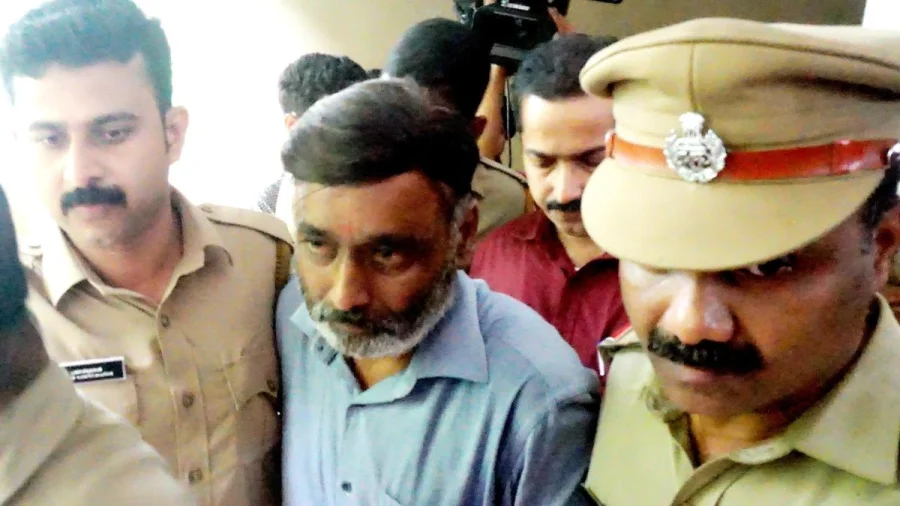
The arrest of a Kerala professor in connection with a BDS student’s death has taken a dramatic turn after a sessions judge flagged serious violations of constitutional safeguards. The case, which initially appeared routine, now raises urgent questions about how police arrests can bypass fundamental rights.
Judge’s Observations: A Rare Judicial Intervention
During an interaction with the accused professor, the sessions judge noted that mandatory provisions prescribed by the Constitution had been overlooked. The judge specifically pointed to breaches of fundamental rights, including the right to life and personal liberty under Article 21. This rare judicial scrutiny has put the spotlight on the arrest process itself.
Why This Case Matters for Every Citizen
The professor’s arrest is not an isolated incident. Across India, thousands of arrests occur daily, often without strict adherence to legal safeguards. The judge’s intervention highlights a systemic issue: when police fail to follow mandatory provisions, it undermines trust in the justice system. For ordinary citizens, this case serves as a reminder that constitutional protections exist but are not always enforced.
Timeline of Events: From Arrest to Judicial Scrutiny
The professor was arrested following the death of a BDS student, with police alleging involvement. However, the sessions judge, during a routine hearing, noticed discrepancies in the arrest procedure. The judge’s interaction with the accused revealed that key legal requirements—such as informing the accused of grounds of arrest and ensuring access to legal counsel—were not met. This prompted the judge to record observations on the record.
Human Impact: The Accused and the Deceased’s Family
For the professor, the arrest has meant loss of reputation, employment uncertainty, and psychological trauma. For the BDS student’s family, the death itself remains a tragedy, and the legal process has added another layer of complexity. The case underscores how procedural lapses can affect both the accused and the victim’s family, delaying justice and eroding faith in the system.
Official Response: What the Sessions Judge Said
The sessions judge, in his observations, emphasized that the Constitution mandates certain safeguards before and during an arrest. These include the right to be informed of the grounds of arrest, the right to consult a lawyer, and the right to be produced before a magistrate within 24 hours. The judge noted that these provisions were violated, raising questions about the legality of the arrest itself.
Analysis: What Constitutes an ‘Illegal’ Arrest?
An arrest is considered illegal if it violates constitutional or statutory provisions. In this case, the judge’s observations suggest that the police may have failed to follow the procedure established by law. This includes not only the grounds of arrest but also the manner in which the arrest was executed. The case highlights the gap between legal theory and police practice in India.
Confirmed Facts vs What Remains Unclear
Confirmed: The sessions judge flagged violations of mandatory constitutional provisions in the professor’s arrest. The judge’s observations are on record. Unclear: Whether the police will face any action for the alleged violations. The exact nature of the professor’s alleged involvement in the BDS student’s death remains under investigation. The judge’s remarks have not yet led to a formal review of the arrest.
Risks and Balanced View
While the judge’s intervention is a positive step for accountability, critics argue that such judicial scrutiny is rare and often depends on individual judges’ initiative. There is also a risk that the focus on procedural violations could overshadow the investigation into the student’s death. A balanced view requires that both the rights of the accused and the need for justice for the deceased be respected.
Wider Trend: Judicial Scrutiny of Police Arrests
This case is part of a broader trend where Indian courts are increasingly examining police arrest procedures. In recent years, the Supreme Court has issued guidelines on arrest protocols, including the requirement for a written memo of arrest and the need to inform a friend or relative. However, implementation remains uneven across states.
Practical Guidance for Citizens
If you or someone you know is arrested, remember these rights: you have the right to know the grounds of arrest, the right to consult a lawyer, and the right to be produced before a magistrate within 24 hours. Always ask for a written arrest memo and inform a family member or friend immediately. If these rights are violated, you can approach a court for relief.
Future Outlook: What Could Happen Next
The sessions judge’s observations could lead to a formal inquiry into the arrest procedure. The police may be asked to explain the violations, and the case could set a precedent for stricter adherence to constitutional safeguards. Legal experts believe this case may prompt state authorities to issue fresh guidelines on arrests.
Our Take
This case is a stark reminder that constitutional safeguards are only as strong as their enforcement. The sessions judge’s intervention is commendable, but it should not be an exception. For India’s justice system to be truly fair, every arrest must comply with the law. The professor’s case is not just about one individual—it is about the rights of every citizen.
Frequently Asked Questions
What constitutional violations were flagged in the Kerala professor’s arrest?
The sessions judge noted that mandatory provisions under the Constitution, including the right to be informed of grounds of arrest and the right to legal counsel, were violated. These are fundamental rights under Article 21 and 22 of the Indian Constitution.
Can an arrest be challenged if it violates constitutional safeguards?
Yes, an arrest that violates constitutional or statutory provisions can be challenged in court. The accused or their family can file a petition for habeas corpus or seek bail on the grounds of illegal arrest.
What are the mandatory provisions for a legal arrest in India?
Under the Code of Criminal Procedure and the Constitution, police must inform the accused of the grounds of arrest, allow access to a lawyer, produce the accused before a magistrate within 24 hours, and provide a written arrest memo.
How common are illegal arrests in India?
Illegal arrests are a significant concern in India, with many cases going unreported. Courts have repeatedly flagged procedural violations, but systemic reforms remain slow. This case highlights the need for better training and accountability in police forces.



