
Summary
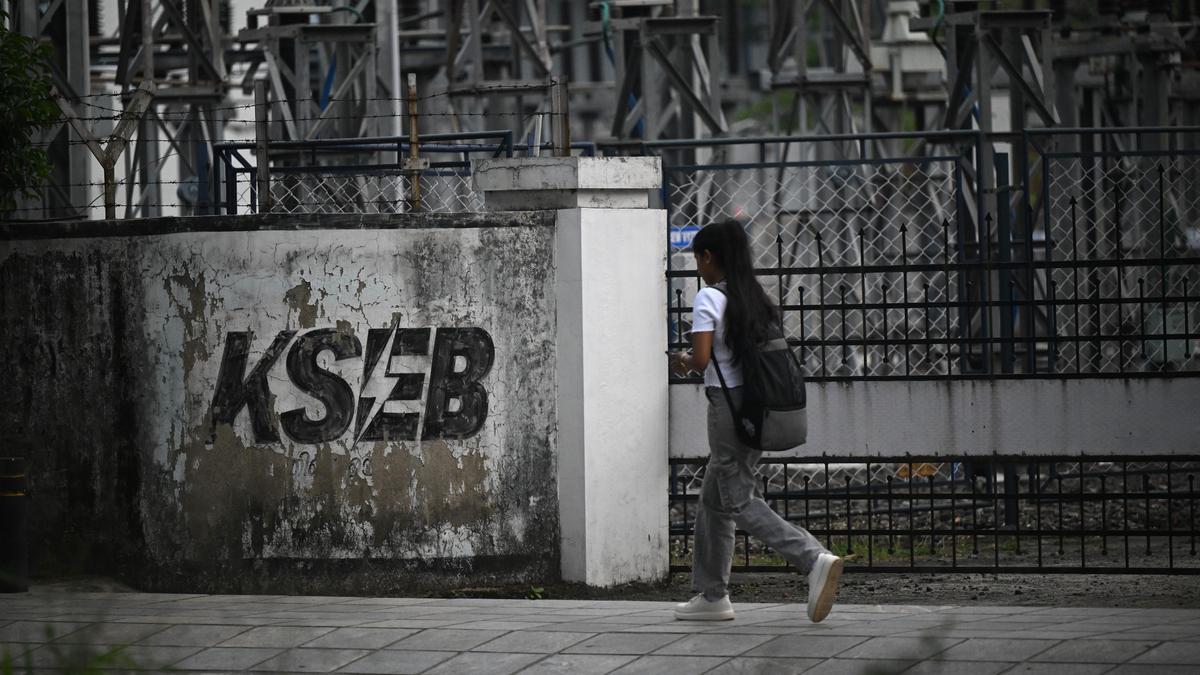
Members of the Youth Congress in Kollam, Kerala, recently held a unique "sleep protest" at a local office of the Kerala State Electricity Board (KSEB). The group was protesting against frequent and unannounced power cuts that have been affecting the region during the night. By bringing mats and pillows to the government office, the protesters aimed to show that the electricity board's own buildings are the only places where the lights stay on. This event highlights the growing anger among residents who are struggling with high heat and a lack of reliable electricity.
Main Impact
The protest has drawn significant attention to the worsening power situation in Kerala. As summer temperatures rise, the demand for electricity has reached record levels, leading to sudden blackouts that disrupt daily life. This specific demonstration by the Youth Congress has forced the state government and KSEB officials to address the public's frustration directly. It shows that citizens are no longer willing to tolerate poor service, especially when it affects their ability to sleep and rest in their own homes. The move has also sparked a wider conversation about how the state manages its energy resources during times of high demand.
Key Details
What Happened
A group of Youth Congress workers arrived at the KSEB office in Kollam late in the evening. Instead of just holding signs or shouting slogans, they brought bedding with them. They spread out mats on the floor of the office and prepared to spend the night there. Their logic was simple: since the KSEB cannot provide power to the homes of the people, the people would come to the KSEB office where the power supply is never interrupted. The protesters stayed in the building to highlight the contrast between the dark streets and the well-lit government offices.
Important Numbers and Facts
The protest took place in the Kollam district, which has been one of the areas hardest hit by recent power issues. In recent weeks, Kerala has seen its daily electricity consumption cross 100 million units multiple times. Because the state relies heavily on hydroelectric power, a lack of sufficient rainfall has made it difficult to generate enough energy. To fill the gap, the state has to buy expensive power from other parts of India, which puts a financial strain on the electricity board. The protesters pointed out that these unannounced cuts often happen during the hottest hours of the night, making it impossible for children and the elderly to sleep comfortably.
Background and Context
Kerala usually gets a large portion of its electricity from dams. When the water levels in these dams are low, the state cannot produce enough power to meet everyone's needs. This year, the heat has been more intense than usual, leading to everyone turning on fans and air conditioners at the same time. This creates a "peak load" problem, where the system becomes overloaded. Instead of announcing a formal schedule for power cuts, which would allow people to plan their day, the KSEB has been accused of cutting power without any warning. This has led to many complaints from students studying for exams and small business owners who rely on a steady supply of electricity.
Public or Industry Reaction
The reaction from the public has been largely supportive of the protesters. Many residents in Kollam and surrounding areas shared photos of the "sleep protest" on social media, expressing their own frustrations with the electricity board. On the other hand, KSEB officials have stated that they are doing their best to manage a very difficult situation. They explained that the sudden cuts are often necessary to prevent the entire power grid from failing. However, the lack of communication remains a major point of anger for the public. Local leaders have called for a more transparent system where people are told exactly when and for how long their power will be turned off.
What This Means Going Forward
This protest is likely just the beginning of more public demonstrations if the power situation does not improve. The state government is now under pressure to find a long-term solution, such as investing in more solar energy or securing better deals for power from other states. For the residents of Kollam, the immediate hope is that KSEB will at least provide a clear schedule for any necessary power cuts. If the heat continues and the rains are delayed, the state may have to officially introduce "load shedding," which is a planned way of sharing limited power among different areas at different times.
Final Take
The "sleep protest" in Kollam is a powerful reminder of how essential electricity is for modern life. By taking their beds to a government office, the Youth Congress successfully used a peaceful and creative method to voice the struggles of the common person. It highlights a clear gap between government service and public needs. Moving forward, the focus must be on better planning and clearer communication to ensure that citizens are not left in the dark during the hottest months of the year.
Frequently Asked Questions
Why did the Youth Congress protest at the KSEB office?
They protested because of frequent and unannounced power cuts in Kollam. They chose to sleep at the office because it is one of the few places where the electricity supply is never cut off.
What is causing the power cuts in Kerala?
The main causes are high heat leading to record electricity demand and low water levels in dams, which limits the state's ability to produce hydroelectric power.
What was the main goal of the "sleep protest"?
The goal was to draw attention to the difficulties people face at home without power and to pressure the electricity board to provide a more reliable service or a clear schedule for power cuts.



