
Summary
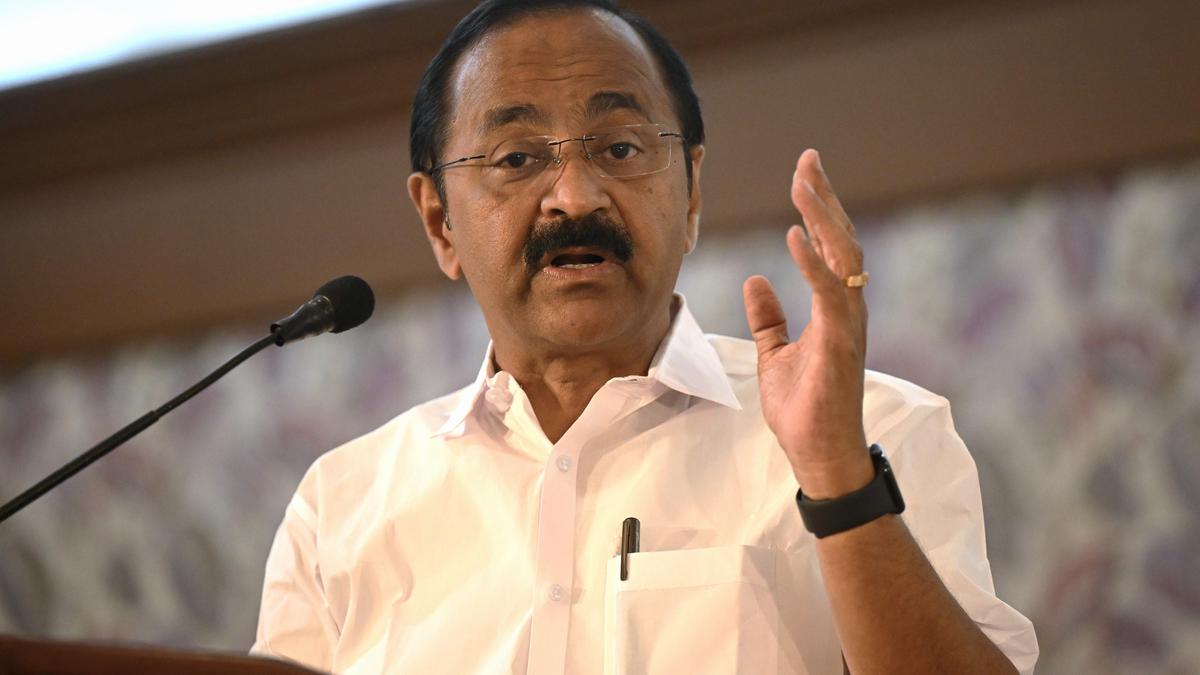
V.D. Satheesan, the Leader of the Opposition in Kerala, has announced that the United Democratic Front (UDF) will launch a formal investigation into the cancellation of major power supply contracts if they win the next election. He claims that the current Left Democratic Front (LDF) government acted with corrupt motives when they ended these long-term agreements. This decision has caused a severe energy crisis, leading to frequent power cuts and electricity restrictions across the state during the peak summer heat.
Main Impact
The primary impact of this development is the growing political tension over Kerala's energy security. By promising a probe, the UDF is highlighting what they call a man-made crisis that affects every household and business in the state. The cancellation of these contracts forced the state to buy electricity from the short-term market at much higher prices. This has not only drained the state's finances but has also left citizens dealing with unscheduled load shedding, which disrupts daily life, education, and local industry.
Key Details
What Happened
The controversy centers on the cancellation of power purchase agreements under the DBFOO model. DBFOO stands for Design, Build, Finance, Own, and Operate. Under this system, private companies build power plants and sell the electricity to the government at a fixed rate over a long period. The LDF government decided to cancel these specific contracts, citing technical and legal issues. However, V.D. Satheesan argues that this move was a cover for corruption and has directly resulted in the current power shortage.
Important Numbers and Facts
The state is currently facing a significant gap between the demand for electricity and the available supply. During the summer months, demand peaks as people use more cooling systems. Because the long-term contracts were ended, the Kerala State Electricity Board (KSEB) has been forced to implement power restrictions. Satheesan pointed out that the government is now spending huge amounts of public money to buy power at high rates from outside sources to fill the gap left by the cancelled deals.
Background and Context
To understand this issue, it is important to know how a state gets its electricity. Usually, a state government signs long-term deals with power producers to ensure they have enough energy for many years at a predictable price. The DBFOO contracts were part of this long-term planning. When the LDF government took office, they reviewed several projects started by the previous administration. They claimed the DBFOO deals were not in the best interest of the state and moved to cancel them.
The opposition argues that the timing of the cancellation was poor and the reasoning was flawed. They believe the government did not have a backup plan to replace the lost power supply. As a result, when the heat increased this year, the state's power grid could not keep up with the demand. This has turned a technical policy decision into a major point of public anger and political debate.
Public or Industry Reaction
The public reaction has been largely negative due to the daily reality of power cuts. Families complain about the heat, and students find it difficult to study for exams during blackouts. Small business owners, such as those running shops or small workshops, have reported losses because they cannot operate without a steady power supply. Industry experts have also expressed concern, noting that relying on the expensive short-term power market is not a sustainable way to manage a state's energy needs. They warn that this could lead to higher electricity bills for consumers in the near future.
What This Means Going Forward
Looking ahead, the power crisis is likely to remain a top issue in Kerala's political scene. If the UDF follows through on its promise to investigate, it could lead to legal challenges for current officials. In the short term, the government must find a way to stabilize the power supply to avoid further public anger. There is also the risk that the state's credit rating or reputation with private investors could be damaged, making it harder to sign future infrastructure deals. The next few months will show whether the government can fix the supply issues or if the opposition will successfully use this crisis to gain more support from voters.
Final Take
The dispute over power contracts in Kerala shows how political decisions can have a direct and immediate effect on the lives of ordinary people. While the government defends its actions as a move against irregularities, the resulting power cuts have created a difficult situation for the state. The promise of a corruption probe ensures that this issue will not go away soon. It places the focus on whether the state's energy policy is being managed for the benefit of the public or for political gain.
Frequently Asked Questions
What is a DBFOO contract?
DBFOO stands for Design, Build, Finance, Own, and Operate. It is a type of agreement where a private company handles everything from building a power plant to running it, and then sells the electricity to the government.
Why is there load shedding in Kerala right now?
Load shedding is happening because the state does not have enough electricity to meet the high demand during summer. This is partly due to the cancellation of long-term power supply contracts, leaving a gap in the available energy.
What does the opposition plan to do?
The opposition leader, V.D. Satheesan, has stated that if the UDF comes to power, they will conduct a full investigation into why the power contracts were cancelled, alleging that the decision involved corruption.



