
Summary
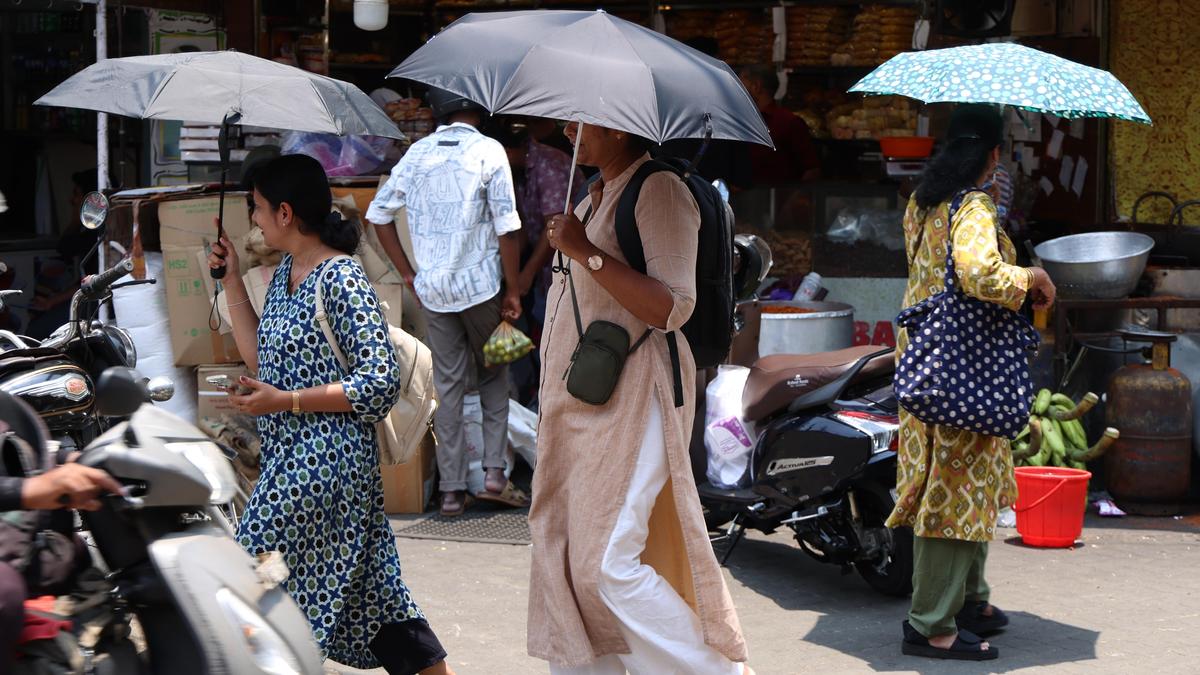
Kerala is currently facing a severe heatwave that has changed daily life across the state. As temperatures soar to record levels, the demand for electricity has reached an all-time high, putting immense pressure on the power grid. This situation has sparked a heated political debate between the ruling government and the opposition regarding energy management and rising costs. The crisis highlights the growing challenges of climate change and the need for a more stable power infrastructure in the region.
Main Impact
The extreme heat has created a double crisis for the state of Kerala. First, the physical health and comfort of millions of residents are at risk as temperatures stay well above normal levels. Second, the state’s energy system is being pushed to its breaking point. Because so many people are using air conditioners and fans at the same time, the Kerala State Electricity Board (KSEB) is struggling to keep up with the demand. This has led to fears of scheduled power cuts, known as load shedding, which would further disrupt homes and businesses.
Key Details
What Happened
In recent weeks, Kerala has seen a dramatic rise in mercury levels, with some districts reporting temperatures several degrees higher than the seasonal average. This weather shift has forced a change in how people use energy. Instead of the usual evening peak, the state is now seeing high electricity usage throughout the day and late into the night. The government has urged citizens to limit their use of heavy electrical appliances during peak hours to prevent a total system failure. However, with the heat becoming unbearable, many find it impossible to follow these suggestions.
Important Numbers and Facts
The data regarding power consumption is quite startling. For the first time in the state's history, daily electricity consumption has consistently crossed the 100 million unit mark. On some days, the demand has even touched 110 million units. To meet this need, the state has been forced to buy additional power from the national grid at very high prices. Temperatures in districts like Palakkad and Thrissur have frequently stayed above 40 degrees Celsius, making them some of the hottest spots in the country during this period.
Background and Context
Kerala traditionally relies heavily on hydroelectric power, which is electricity generated by water in large dams. This system works well when there is plenty of rainfall. However, during a dry and hot summer, the water levels in these dams drop significantly. When the dams cannot produce enough power, the state must look for other sources. Usually, this means buying thermal power, which is made from coal or gas, from other parts of India. Thermal power is often more expensive and harder to secure on short notice, leading to the financial and logistical problems the state is currently facing.
Public or Industry Reaction
The public reaction has been a mix of frustration and worry. Many residents are complaining about high electricity bills, which have increased because of the extra cooling needed. Small business owners are concerned that power cuts will hurt their earnings. On the political side, the opposition parties have criticized the government for not planning ahead. They argue that the state should have secured cheaper long-term power contracts instead of relying on expensive daily purchases. The government, meanwhile, maintains that the current weather is an extreme event that no one could have fully predicted, and they are doing their best to avoid blackouts.
What This Means Going Forward
This crisis serves as a wake-up call for the state's energy policy. Moving forward, Kerala will likely need to invest more in renewable energy sources that do not depend on rainfall, such as solar power. There is also a clear need to upgrade the existing power lines and transformers to handle higher loads. If the climate continues to get warmer, these "extreme" summers might become the new normal. The government will have to find a way to balance the high cost of energy with the need to keep prices affordable for the average citizen. Planning for next year's summer must begin immediately to avoid a repeat of this year's struggles.
Final Take
The current situation in Kerala is more than just a spell of bad weather; it is a test of the state's infrastructure and political will. While the immediate goal is to keep the lights on and the fans spinning, the long-term challenge is building a system that can withstand a changing environment. Cooperation between the public and the government will be essential to navigate these hot months safely. Without a clear plan for the future, the state remains at the mercy of the rising thermometer.
Frequently Asked Questions
Why is Kerala facing power shortages right now?
The state is experiencing record-breaking heat, which has caused a massive increase in the use of air conditioners and fans. This demand is higher than what the local power plants can produce.
Will there be scheduled power cuts in Kerala?
The government is trying to avoid scheduled power cuts, but they have warned that if consumption does not decrease during peak hours, brief outages may be necessary to protect the grid.
How can residents help reduce the strain on the grid?
Residents are encouraged to avoid using heavy appliances like washing machines, pumps, and electric ovens between 6:00 PM and 11:00 PM, which is the time of highest demand.



