
Summary
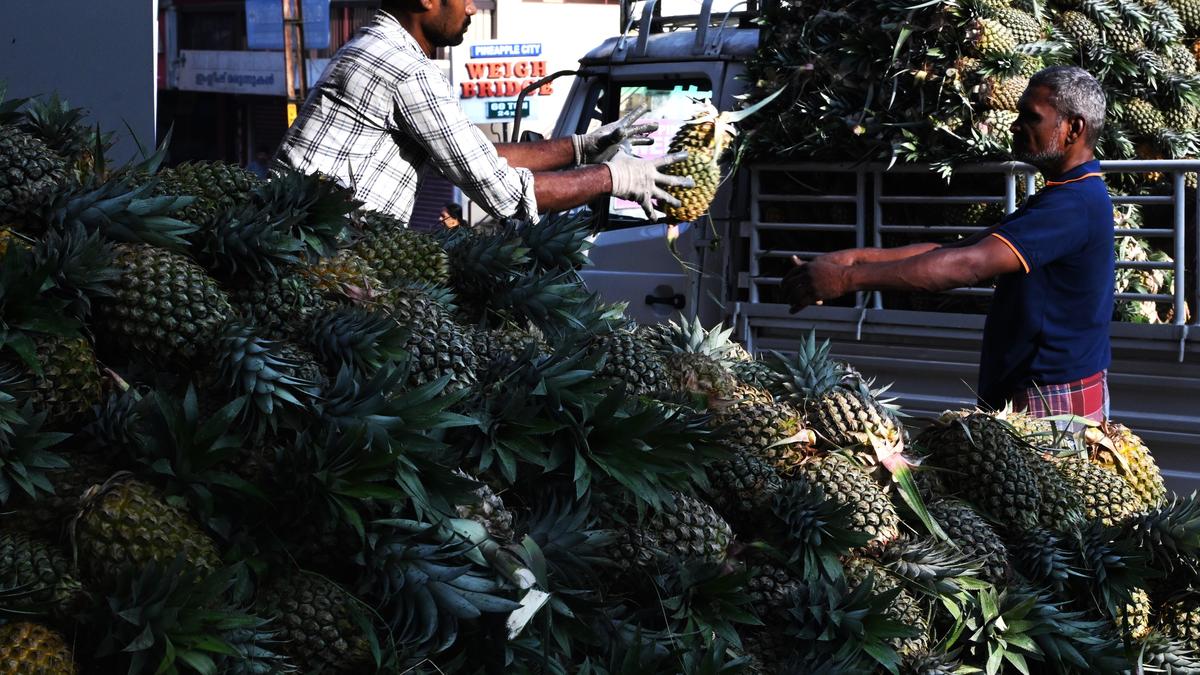
Pineapple growers in Kerala are facing a difficult financial crisis as the market price for their produce has dropped unexpectedly. While the summer season is usually the most profitable time of the year for these farmers, the current situation shows a worrying reversal of that trend. High temperatures and a sudden change in market demand have left many farmers struggling to cover their basic production costs during a time when they expected to see record profits.
Main Impact
The sharp decline in pineapple prices is hitting the rural economy of Kerala very hard. Thousands of farmers who invested heavily in their crops are now seeing their potential earnings disappear. Instead of the usual summer boom, where demand for fresh fruit and juice typically drives prices up, the market is currently oversupplied. This has forced many growers to sell their fruit at a loss, making it difficult for them to pay back bank loans or prepare for the next planting season.
Key Details
What Happened
In a normal year, the months of March, April, and May are the peak season for pineapple sales. The hot weather across India usually creates a massive demand for Kerala’s pineapples, especially in northern states. However, this year, the prices have plummeted. Farmers report that the cost of labor, fertilizer, and transportation has gone up, while the price they receive for their fruit has gone down. The intense heat has also caused the fruit to ripen much faster than usual, forcing farmers to harvest everything at once, which further floods the market and lowers the price.
Important Numbers and Facts
Kerala is one of the largest producers of pineapple in India, with the Vazhakulam region being famous for its high-quality "Vazhakulam Pineapple," which has a special Geographical Indication (GI) tag. Usually, the price for the "Mauritius" variety stays above 40 to 45 rupees per kilogram during the summer. Recently, reports indicate that prices have dropped to nearly half of that amount in some local markets. With production costs estimated at around 30 to 35 rupees per kilogram, many farmers are losing money on every fruit they sell.
Background and Context
Pineapple farming is a major source of income in districts like Ernakulam, Idukki, and Kottayam. The crop requires a lot of care and a significant financial investment before it can be harvested. Farmers often take out loans to buy suckers (young plants), fertilizers, and to pay for irrigation during the dry months. The summer season is critical because the fruit is sweeter and more in demand for making juices and fruit salads. When the summer market fails, it disrupts the entire financial cycle for the year. The current situation is also linked to changing weather patterns, where extreme heat is affecting the quality and shelf life of the fruit, making it harder to transport long distances without it spoiling.
Public or Industry Reaction
Farmer associations in Kerala are expressing deep concern over the lack of price stability. Many are calling for the state government to step in and provide a minimum support price to protect them from such market crashes. Traders are also feeling the pressure, as they find it difficult to move large quantities of fruit to distant markets like Delhi or Mumbai when the fruit ripens too quickly. Some industry experts suggest that more food processing units are needed in the state. If there were more factories to turn fresh pineapple into juice, jam, or dried snacks, the farmers would not be so dependent on the fresh fruit market alone.
What This Means Going Forward
If the prices do not recover soon, many small-scale farmers may decide to stop growing pineapples altogether. This could lead to a shortage of the fruit next year, which would then cause prices to spike for consumers. In the short term, farmers are looking for ways to delay their harvests or find new local buyers to avoid total loss. There is also a growing need for better cold storage facilities in Kerala. Having a place to store the fruit safely would allow farmers to wait for better prices instead of being forced to sell immediately when the market is down.
Final Take
The current crisis for Kerala’s pineapple farmers is a reminder of how vulnerable agriculture can be to market changes and weather shifts. Even during a season that should be a guaranteed success, farmers are finding themselves at the mercy of factors they cannot control. Without better infrastructure and government support, the future of this famous Kerala crop remains uncertain. For now, the farmers can only hope for a quick recovery in demand before the summer ends.
Frequently Asked Questions
Why are pineapple prices falling in Kerala?
Prices are falling due to a combination of oversupply, the fruit ripening too quickly in the heat, and a shift in market demand. This has created a situation where there is too much fruit available at once.
Which variety of pineapple is most common in Kerala?
The "Mauritius" variety is the most common and is highly valued for its taste. The "MD2" variety is also grown, mainly for export and processing purposes.
How does the heat affect the pineapple harvest?
Extreme heat makes the fruit ripen much faster than normal. This forces farmers to harvest their entire crop at the same time, which leads to a market glut and makes the fruit harder to ship to far-away cities without it rotting.



