
Summary
Four prominent ministers from the Left Democratic Front (LDF) in Kerala have officially shared their financial details ahead of the upcoming elections. These leaders, who hold key positions in the state government, reported total assets ranging from approximately ₹1.84 crore to ₹2.29 crore. This disclosure is a mandatory part of the election process, ensuring that the public knows the financial status of those running for office. The move highlights the ongoing focus on transparency and accountability in Kerala’s political environment.
Main Impact
The declaration of wealth by top government officials often shapes public opinion during an election cycle. By revealing their bank balances, property holdings, and other investments, these ministers are following the legal requirements set by the Election Commission. This information allows voters to compare the current wealth of their leaders with what they owned in previous years. In a state like Kerala, where voters are highly active and informed, these figures serve as a point of discussion regarding the lifestyle and honesty of political figures.
Key Details
What Happened
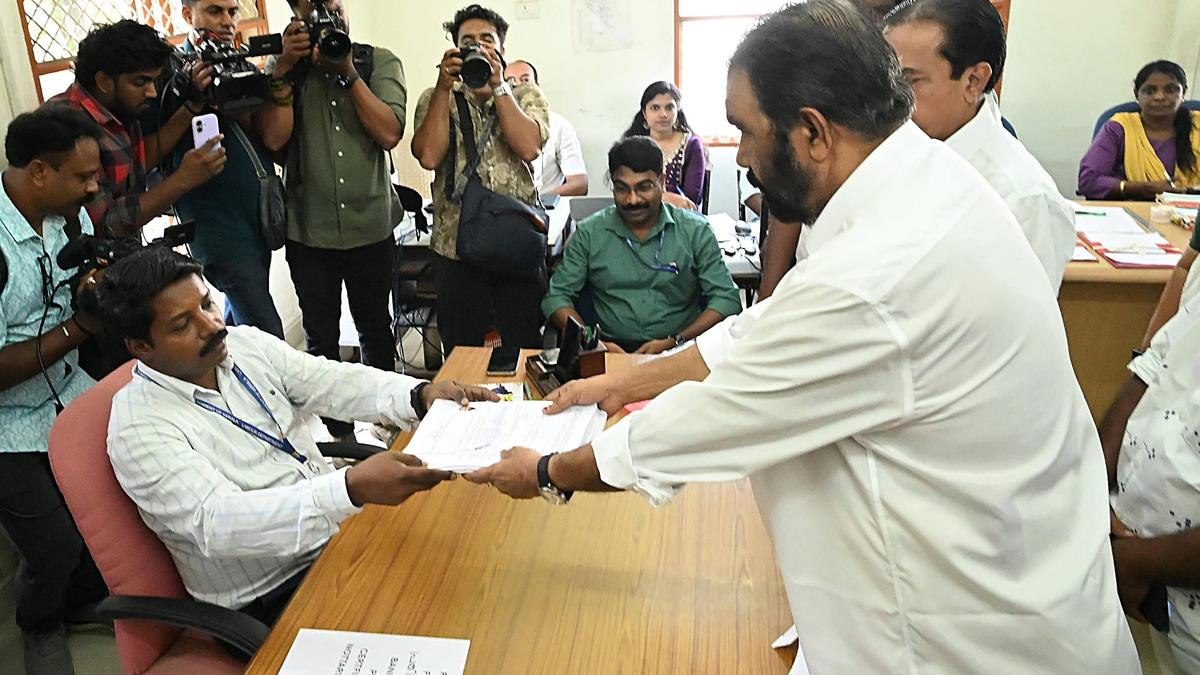
As the election season gains momentum in Kerala, candidates are required to file nomination papers. Along with these papers, they must submit a legal document called an affidavit. This document lists all their assets, including those owned by their spouses and dependents. Recently, four high-ranking ministers from the LDF cabinet submitted these records, showing that they each possess significant wealth, mostly held in land and bank savings.
Important Numbers and Facts
The financial disclosures provide a specific look at the wealth of each minister. The figures include both movable assets, such as cash and jewelry, and immovable assets, such as houses and farmland.
- V. Sivankutty: The Minister for General Education and Labour reported the highest amount among the four, with assets totaling ₹2.29 crore.
- R. Bindu: The Minister for Higher Education and Social Justice declared wealth worth ₹2.14 crore.
- K.N. Balagopal: The State Finance Minister reported assets valued at ₹1.94 crore.
- Roshy Augustine: The Minister for Water Resources declared assets worth ₹1.84 crore.
These totals represent the combined value of everything the ministers own. While some of this wealth is in the form of liquid cash or bank deposits, a large portion is tied up in the current market value of their real estate holdings.
Background and Context
In India, the law requires every person contesting an election to be open about their finances. This rule was created to help stop corruption and to make sure that politicians are not using their power to get rich unfairly. When a minister or a candidate files their papers, they must also list any criminal cases against them and their educational background. This gives the common person a full picture of who they are voting for.
Kerala is known for its high literacy rate and strong interest in politics. The Left Democratic Front, which is currently in power, often emphasizes its connection to the working class. Because of this, the personal wealth of LDF leaders is often looked at more closely by the media and the public to see if it aligns with their political message.
Public or Industry Reaction
The reaction to these disclosures has been a mix of standard political debate and public curiosity. Opposition parties often use these numbers to question how a leader’s wealth has grown over their five-year term. On social media, citizens discuss whether these amounts are reasonable for long-time professionals and politicians. Supporters of the ministers argue that the assets are modest compared to politicians in other states and that the transparency shown by the LDF leaders is a sign of good governance.
What This Means Going Forward
As more candidates from different parties file their nominations, a clearer picture of the financial health of Kerala’s political class will emerge. This data will likely be compiled by watchdog groups to show which party has the wealthiest candidates. For the four ministers involved, these declarations are now a matter of public record. If they are re-elected, these numbers will serve as the starting point for their next financial check in the future. The focus will now shift to how these leaders explain their wealth and their plans for the state during the campaign trail.
Final Take
Financial transparency is a cornerstone of the democratic process. While the declaration of assets worth around ₹2 crore each might seem high to some, it provides a necessary layer of honesty between the government and the people. As the Kerala polls approach, these disclosures ensure that the conversation remains focused on facts rather than rumors. The ultimate decision now rests with the voters, who will weigh these financial details alongside the performance and promises of the ministers.
Frequently Asked Questions
Why do ministers have to declare their assets?
It is a legal requirement by the Election Commission of India. It ensures transparency and allows voters to know the financial status of candidates before they cast their ballots.
What is the difference between movable and immovable assets?
Movable assets include things like cash, bank balances, gold, and vehicles. Immovable assets refer to property that cannot be moved, such as land, houses, or commercial buildings.
Which Kerala minister declared the highest assets in this group?
Among the four ministers mentioned, V. Sivankutty declared the highest total assets, valued at ₹2.29 crore.



