
Summary
Thousands of migrant workers from Assam and West Bengal are leaving Kerala in large numbers to return to their home states. The primary reason for this mass movement is the upcoming elections and the need to cast their votes. However, many workers are also driven by deep concerns regarding the Social Identity Registry (SIR) and their legal status. This sudden departure has created a significant labor shortage, leaving the construction, hotel, and hospitality sectors in Kerala struggling to operate.
Main Impact
The departure of these workers is having a direct and painful effect on Kerala’s economy. Major industries that rely on manual labor are now facing a crisis because they do not have enough people to do the work. Building projects have come to a standstill, and many hotels are finding it difficult to provide basic services to their guests. Since these workers form the backbone of the state's labor force, their absence is felt in almost every corner of the local market.
Key Details
What Happened
In recent weeks, railway stations across Kerala have been crowded with workers carrying heavy bags and heading for trains bound for the east and northeast. While it is common for workers to go home for holidays, this movement is different because of its scale and timing. Workers are leaving weeks before the actual voting dates to ensure they are present in their villages. Many have expressed that they feel a sense of duty to vote, but they also admit to being afraid of what might happen if they stay away during this period.
Important Numbers and Facts
Kerala is home to over three million migrant workers, often referred to locally as "guest workers." A large portion of this group comes from West Bengal and Assam. In some construction sites, more than 80% of the workforce has left. Business owners report that the cost of labor is rising quickly because the few workers who remain are demanding higher wages. The Social Identity Registry (SIR) has become a major topic of conversation in labor camps, with many workers believing that their residency rights depend on their participation in the home-state elections.
Background and Context
For many years, Kerala has depended on workers from other states to fill jobs that local people often do not want to do. These jobs include heavy lifting at construction sites, cleaning in hotels, and working in large kitchens. These workers move to Kerala because the wages are higher than in their home states. However, recent discussions about national identity lists and registries have made these workers feel insecure. They worry that if they are not physically present in their home towns to be counted or to vote, they might lose their citizenship rights or face trouble with government documentation. This fear is a powerful motivator that outweighs the need to earn a daily wage in Kerala.
Public or Industry Reaction
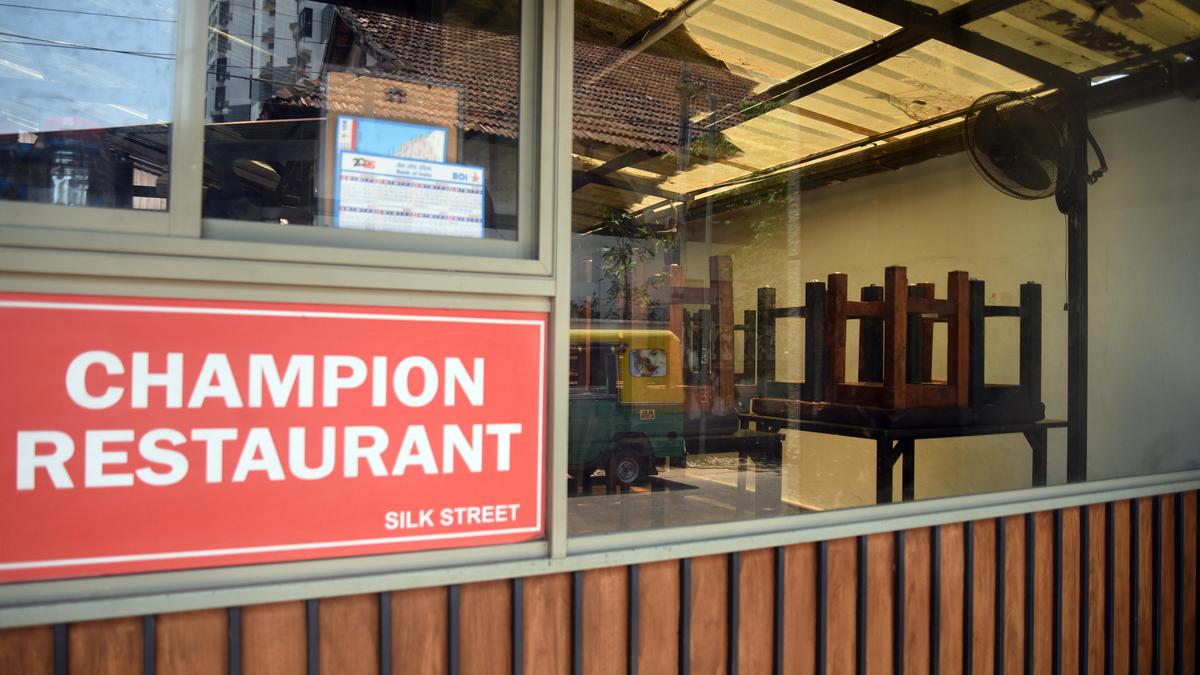
Business leaders in the real estate and hospitality sectors are expressing deep concern. Many contractors say they are unable to meet deadlines for finishing apartments and office buildings. Hotel owners are also worried, as the tourism season is still active and they lack enough staff to clean rooms or serve food. Some employers tried to offer extra money or free meals to convince workers to stay until the end of the month, but most workers refused. The general feeling among the workers is that their legal safety at home is more important than temporary financial gain in a different state.
What This Means Going Forward
The immediate future looks difficult for Kerala’s service and building industries. It is expected that the labor shortage will last for several weeks until the election phases in West Bengal and Assam are completed. There is also a risk that some workers may not return immediately, especially if they face administrative hurdles at home. This situation highlights how vulnerable Kerala’s economy is to changes in the migrant labor force. Moving forward, industry experts suggest that the state may need to create better systems to track and support guest workers so they feel more secure and less likely to leave all at once during political events.
Final Take
This mass movement of people shows that for many workers, the fear of losing their identity or legal standing is much stronger than the need for a job. While Kerala provides better pay, it cannot provide the peace of mind that workers feel when they are back in their home states during important political times. The current crisis serves as a reminder of how much the modern economy depends on the movement of people and how quickly things can change when those people feel uncertain about their future.
Frequently Asked Questions
Why are workers leaving Kerala right now?
Most workers are leaving to vote in the elections in their home states of Assam and West Bengal. They are also worried about their legal status and want to be present for any documentation processes related to the Social Identity Registry (SIR).
Which industries are most affected by this labor shortage?
The real estate, construction, and hospitality sectors are the hardest hit. These industries rely heavily on migrant workers for manual labor, cleaning, and service roles.
Will the workers return to Kerala?
Most workers are expected to return after the elections are over. However, the timing of their return is uncertain, and the current gap in labor is causing significant financial losses for businesses in Kerala.



