
Summary
A severe shortage of Liquefied Petroleum Gas (LPG) in the Kazhakuttam area of Kerala is causing a major crisis for the IT sector. Many professionals working at Technopark rely on local hostels and paying guest (PG) accommodations for their daily meals. Since these facilities can no longer get enough cooking gas, they are unable to provide food to their residents. As a result, several IT firms are now considering a temporary shift back to Work From Home (WFH) to help their employees cope with the situation.
Main Impact
The primary impact of this fuel shortage is the disruption of the daily lives of thousands of tech workers. Most of these employees come from other districts or states and do not have the means to cook for themselves. When hostels stop serving food, these workers are left with very few options. This has led to a decrease in office attendance and is forcing companies to rethink their current "work from office" policies. If the gas supply does not return to normal soon, the local economy around the IT park could face a significant slowdown.
Key Details
What Happened
In the last few days, the supply of LPG cylinders in the Kazhakuttam region has dropped significantly. This area is the main residential hub for people working at Technopark, Thiruvananthapuram. Hostels and PG owners have reported that they are unable to get new cylinders, even after waiting for several days. Without gas, they cannot run their kitchens. Some hostels have officially informed their residents that they will stop providing meals until the shortage is resolved. This has left many young professionals struggling to find breakfast, lunch, and dinner.
Important Numbers and Facts
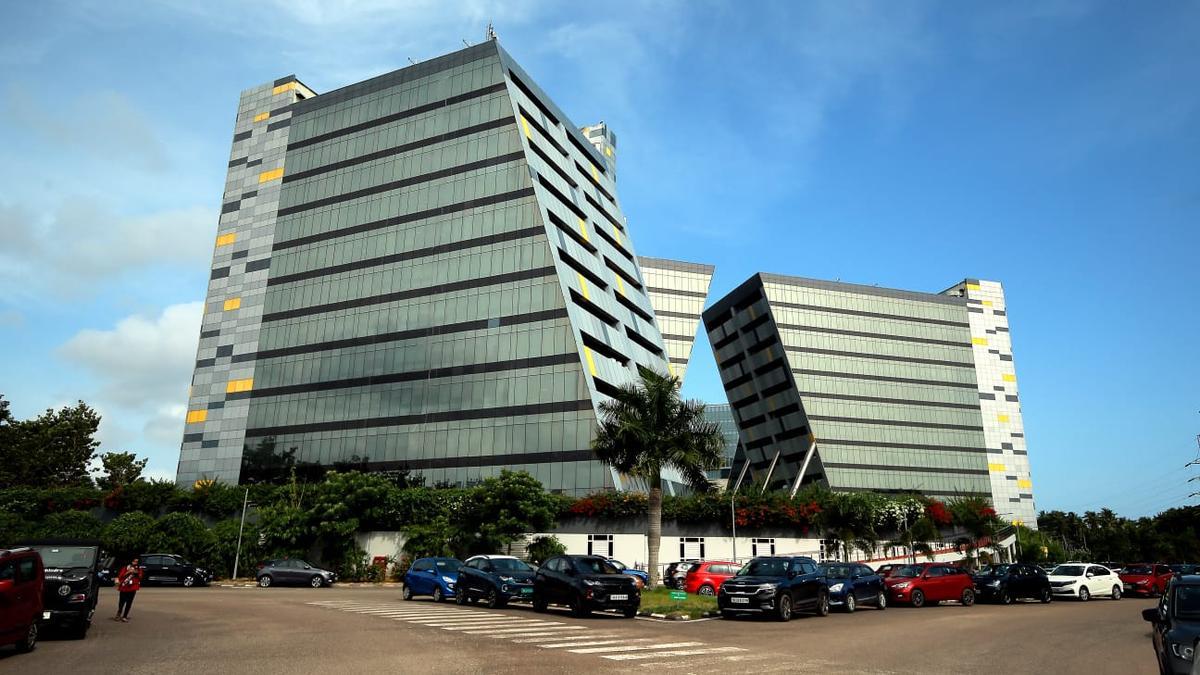
Technopark is one of the largest IT hubs in India, employing tens of thousands of people. A large percentage of this workforce lives in rented rooms or shared hostels within a five-kilometer radius of the campus. Local reports suggest that dozens of large hostels have been hit by the shortage. While some workers have tried to eat at local restaurants, those businesses are also facing similar fuel problems. The price of available food has also started to rise because of the high demand and low supply of cooking fuel.
Background and Context
This issue matters because the IT industry is a major part of Kerala's economy. Technopark relies on a massive ecosystem of support services, including housing and food. Most junior and mid-level employees prefer staying in PGs because it is affordable and includes meals. When a basic utility like cooking gas becomes unavailable, it breaks the entire support system. This situation shows how vulnerable the tech industry can be to local supply chain problems. During the pandemic, most of these workers stayed at home, but recently, companies have been pushing for a return to the office. This gas crisis is now reversing that trend.
Public or Industry Reaction
The reaction from the IT community has been one of worry and frustration. Employees have taken to internal company forums and social media to share their difficulties. Many say they cannot focus on their jobs when they have to spend hours looking for a place to eat. HR departments in several mid-sized and large IT firms are reportedly discussing "emergency WFH" options. They want to allow employees to return to their hometowns where food and utilities are more stable. Local hostel owners are also upset, as they are losing revenue and facing complaints from residents for a situation they cannot control.
What This Means Going Forward
In the short term, we will likely see a decrease in the number of people working from the Technopark offices. Companies may allow staff to work remotely for at least a week or two until the gas supply stabilizes. In the long term, this event might force hostel owners and the local government to look for more reliable energy sources, such as piped natural gas or electric cooking systems. There is also a call for the government to prioritize gas deliveries to commercial hubs like Kazhakuttam to prevent such disruptions in the future. If the problem persists, it could damage the reputation of the area as a convenient place for young professionals to live and work.
Final Take
The current situation in Kazhakuttam is a reminder that even high-tech industries depend on basic infrastructure. While IT firms provide advanced technology and global services, their employees still need reliable access to food and housing. Solving the LPG shortage is not just about helping kitchens; it is about keeping one of the state's most important economic sectors running smoothly. A quick fix is needed to ensure that the "Silicon Coast" of Kerala does not go dark because of a lack of cooking fuel.
Frequently Asked Questions
Why are IT companies in Kerala moving back to WFH?
Companies are considering WFH because a shortage of cooking gas (LPG) has made it impossible for local hostels and PGs to provide meals to their employees.
Which area is most affected by the LPG shortage?
The Kazhakuttam area, which is the main residential hub for Technopark employees in Thiruvananthapuram, is the most affected region.
How are employees coping with the food crisis?
Many employees are forced to eat at expensive restaurants, while others are asking for permission to work from their hometowns where food is more easily available.



