
Summary
The ongoing conflict in West Asia has created a difficult situation for the state of Kerala. While the war is happening far away, its effects are being felt in local homes and businesses. The most serious problem is a major shortage of Liquefied Petroleum Gas (LPG), which has disrupted the state's economy. This crisis is affecting everything from the price of food in restaurants to the production of rubber, making daily life harder for millions of people.
Main Impact
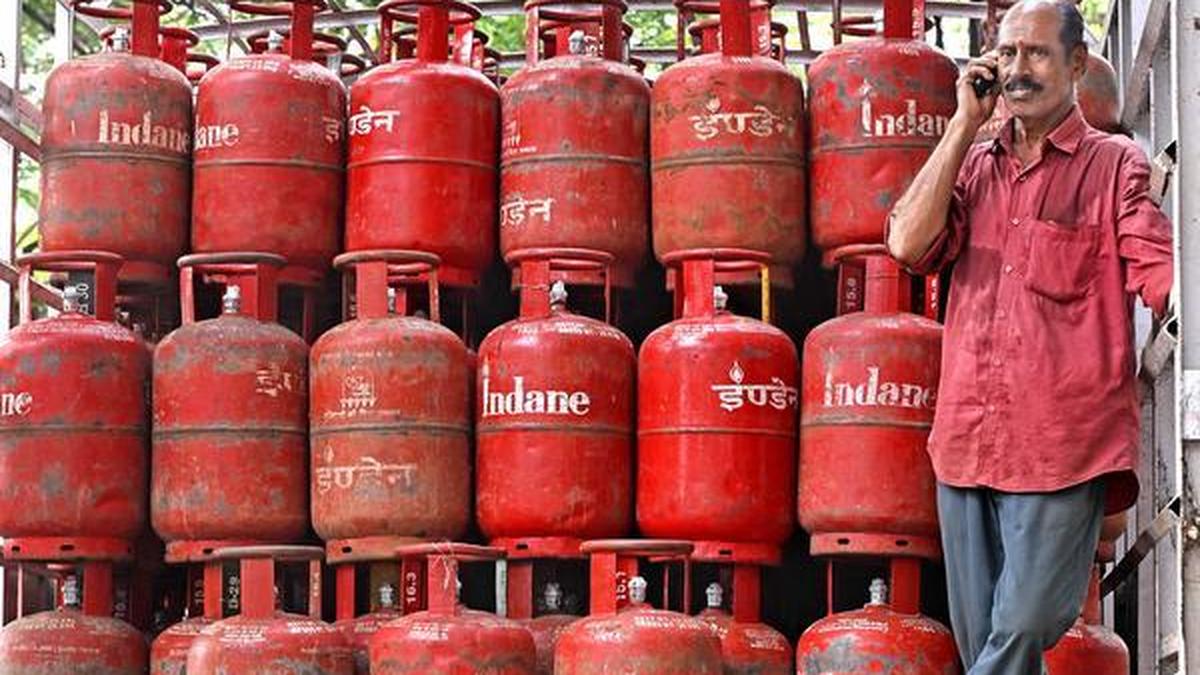
The shortage of LPG is the biggest challenge facing Kerala right now. Because the state relies on fuel imports that pass through or come from West Asia, the war has blocked normal supply lines. This has led to a massive increase in fuel costs and a lack of availability. Small business owners are struggling to keep their doors open, and families are finding it harder to get the gas they need for cooking. The economic strain is visible across multiple industries that keep the state running.
Key Details
What Happened
When the war broke out in West Asia, the global supply chain for fuel was immediately hit. Kerala is particularly vulnerable because a large part of its economy is connected to that region. Initially, the problems were seen in travel and tourism. Many people from Kerala who work in West Asia found their travel plans canceled or delayed. However, the situation turned into a full-scale energy crisis when LPG shipments started arriving late or not at all. This lack of fuel has created a ripple effect, causing prices to jump and making it difficult for industries to plan for the future.
Important Numbers and Facts
The crisis has hit several specific areas of the economy. The restaurant industry, which uses large amounts of commercial LPG, has seen fuel expenses rise significantly. In the rubber industry, which is a vital part of Kerala's income, processing units require steady heat from gas burners to dry and treat raw rubber. Without a reliable supply of LPG, production has slowed down. Additionally, the tourism sector has reported a drop in bookings as international travelers avoid the region due to uncertainty. Thousands of expatriates have also faced difficulties returning to their jobs, which affects the amount of money sent back to families in Kerala.
Background and Context
Kerala has a very close relationship with West Asia. For decades, millions of people from the state have moved to countries in that region for work. This connection means that any political or military trouble there is felt almost instantly in Kerala. The state depends on these workers for financial stability and on the region for its energy needs. When the flow of gas is interrupted, it does not just affect cars or factories; it affects the very heart of the Kerala household. This current crisis shows how much a local economy can suffer when global events go wrong.
Public or Industry Reaction
Business owners are expressing deep concern about the future. Restaurant associations have noted that they cannot keep raising food prices for customers, but they also cannot afford the high cost of black-market or scarce fuel. In the industrial sector, factory managers are worried about meeting their contracts. If they cannot get enough LPG to run their machines, they might have to shut down temporarily. Regular citizens are also frustrated, as waiting times for domestic gas cylinders have grown longer, leading to anxiety about basic needs like preparing meals.
What This Means Going Forward
The path ahead depends heavily on how long the conflict in West Asia lasts. If the war continues, Kerala may need to look for new ways to get its fuel. The government might have to step in with subsidies or support for the most affected industries, such as rubber and small-scale food businesses. There is also a push to look into alternative energy sources so that the state is not so dependent on a single region for its gas. For now, the focus remains on managing the current shortage and trying to keep the economy moving despite the high costs.
Final Take
The LPG crisis in Kerala is a clear example of how global conflicts have local consequences. What started as a distant war has ended up at the doorsteps of ordinary people, affecting their jobs, their businesses, and their kitchens. The state is currently in a period of high stress, and the coming months will test the strength of its economy. Finding a way to stabilize the fuel supply is now the top priority for everyone involved.
Frequently Asked Questions
Why is there an LPG shortage in Kerala?
The shortage is caused by the war in West Asia, which has disrupted the shipping and supply of fuel that Kerala relies on for its energy needs.
Which businesses are being hit the hardest?
Restaurants and the rubber industry are facing the most trouble because they both require large and steady supplies of LPG to operate every day.
How are regular families affected?
Families are facing longer wait times for cooking gas refills and are dealing with the rising costs of goods and services as businesses pass on their fuel expenses to customers.



