
Summary
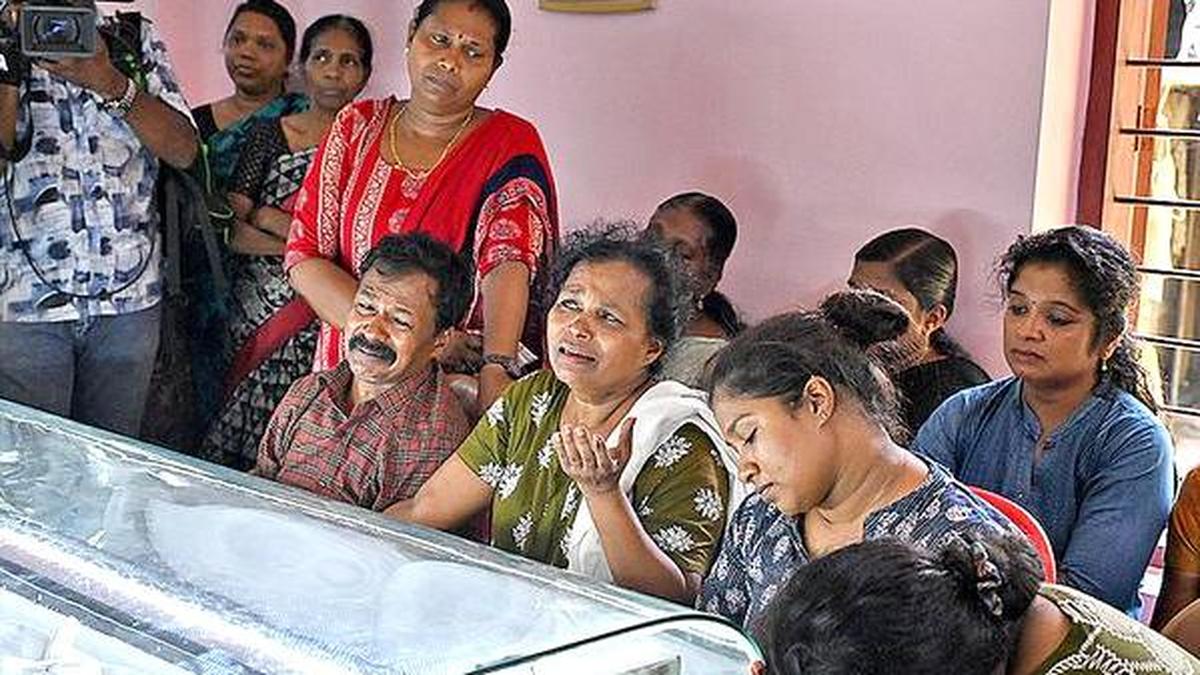
A young dental student in Kerala recently lost his life, a tragedy linked to the aggressive and illegal tactics used by a digital loan application. The student had borrowed a small amount of money but faced intense harassment from recovery agents when he could not pay it back immediately. This incident has brought renewed attention to the dangers of predatory lending apps that target students and people in need of quick cash. The case highlights a growing crisis where digital harassment leads to extreme mental pressure and tragic outcomes.
Main Impact
The primary impact of this event is the exposure of how digital lenders use psychological pressure to collect debts. By using personal information to shame borrowers, these apps create a sense of fear and hopelessness that can feel impossible to escape. This case shows that even a very small loan can turn into a life-threatening situation when lenders operate outside the law. It also raises serious questions about how these apps get access to private data and why they are still allowed to operate on popular app stores.
Key Details
What Happened
The student reportedly took a loan of approximately ₹14,000 from a mobile application. When he was unable to meet the repayment deadline, recovery agents began calling him constantly. To increase the pressure, the agents did not just stop at calling the student. They used his contact list to find his college teacher. They sent messages and made calls to the teacher to embarrass the student and force him to pay. This method, known as "social shaming," is designed to make the borrower feel so much guilt and shame that they pay the money back at any cost.
Important Numbers and Facts
The loan amount involved was around ₹14,000. While this might seem like a small sum to some, for a student, it can be a significant burden. Predatory apps often add high interest rates and hidden fees, making the total debt much higher very quickly. In many cases, these apps gain access to a user's entire contact list, photo gallery, and location data the moment the app is installed. This information is then used as a tool for blackmail if a payment is missed by even a single day.
Background and Context
Predatory loan apps have become a major problem across India over the last few years. These apps offer "instant" money with very little paperwork, which makes them very attractive to young people or those who cannot get a loan from a traditional bank. However, many of these apps are not registered with the Reserve Bank of India (RBI), which means they are operating illegally. They often use servers located outside the country to hide their identity. The business model relies on fear rather than legal financial practices. They target vulnerable people who may not understand the risks of giving an app permission to access their private phone data.
Public or Industry Reaction
The news of the student's death has caused significant worry among parents, teachers, and students in Kerala. Many people are calling for the police to take stronger action against the people who run these platforms. Digital rights activists are also demanding that companies like Google and Apple do a better job of checking apps before they are allowed in their stores. There is a growing demand for the government to block these apps at the network level so they cannot be downloaded or used. Local authorities have urged the public not to fall for "easy money" traps and to report any harassment to the cybercrime department immediately.
What This Means Going Forward
This tragedy serves as a serious warning for everyone to be careful when using financial apps. Moving forward, there will likely be more police investigations into the companies that run these platforms. It also highlights the need for schools and colleges to teach students about digital safety and the risks of high-interest loans. People need to know that there are legal ways to report harassment from lenders and that they do not have to face these threats alone. The government may also introduce stricter rules for digital lending to ensure that only licensed companies can offer loans to the public.
Final Take
No one should lose their life over a small debt. The death of this student is a painful reminder that digital safety is just as important as financial health. While technology makes it easy to borrow money, it also makes it easy for criminals to harass people. Stricter laws, better app store monitoring, and faster police action are needed to stop these predatory lenders before more lives are lost. It is vital for anyone facing this kind of pressure to reach out for help from family, friends, or the police rather than suffering in silence.
Frequently Asked Questions
What are predatory loan apps?
These are mobile applications that offer quick loans with very little documentation. They often charge extremely high interest rates and use illegal methods, like harassment and blackmail, to collect payments.
How do these apps get access to my contacts?
When you install the app, it asks for "permissions" to access your contacts, photos, and messages. If you click "allow," the app owners can see everyone in your phone book and use that information to contact your friends or family.
What should I do if a loan app is harassing me?
You should immediately stop communicating with the agents and report the matter to the local police or the national cybercrime portal. Do not give in to blackmail, and inform your close contacts that your data may have been stolen so they are not surprised by any calls.



