
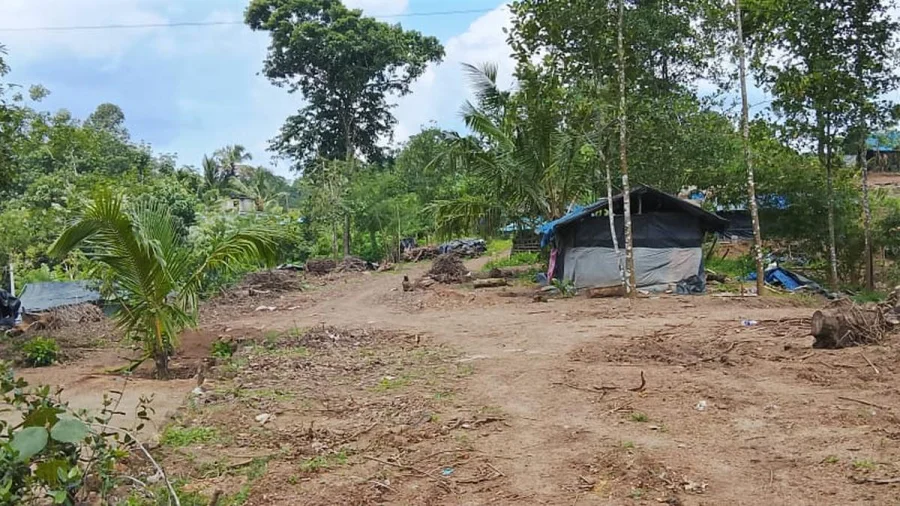
For over 250 families in Kerala’s Arippa region, the promise of land ownership has turned into a bureaucratic nightmare. These landless beneficiaries of the state’s Bhoosamaram scheme—a flagship program to distribute land to the landless—are now trapped in a deadlock between the Revenue and Forest Departments. The distribution of title deeds, originally scheduled for February 2026, has stalled indefinitely, leaving families in a state of uncertainty and frustration.
The core of the deadlock: Revenue vs Forest Departments
The conflict stems from a dispute over land classification. The Revenue Department, which oversees land distribution under the Bhoosamaram scheme, has identified parcels for the beneficiaries. However, the Forest Department claims that some of these parcels fall under its jurisdiction, citing environmental or conservation concerns. This jurisdictional clash has halted the process, with neither department willing to cede ground.
Why this matters to the beneficiaries
For the landless families, this delay is not just bureaucratic—it is deeply personal. Without title deeds, they cannot access government welfare schemes, secure bank loans, or build permanent homes. Many have been living in temporary shelters for years, relying on informal work. The deadlock has also created financial strain, as they cannot use the land as collateral or claim ownership rights in legal disputes.
How the situation developed
The Bhoosamaram scheme, launched by the Kerala government, aims to provide land to landless families as a step toward social and economic empowerment. In Arippa, over 250 families were identified as eligible beneficiaries after a lengthy verification process. The distribution of title deeds was set for February 2026, but the Revenue-Forest conflict emerged in late 2025, stalling the process. Officials from both departments have held meetings, but no resolution has been reached.
Human impact: Stories from the ground
Beneficiaries, many of whom are daily wage laborers or small farmers, have expressed frustration. "We have been waiting for years. Now, even after being declared eligible, we are stuck because of a departmental fight," said a beneficiary who wished to remain anonymous. The delay has also affected their children’s education and access to healthcare, as they cannot prove residency or ownership.
Official responses and lack of clarity
Neither the Revenue nor the Forest Department has issued a joint statement clarifying the way forward. Local officials have acknowledged the deadlock but have not provided a timeline for resolution. "We are aware of the issue and are trying to resolve it at the district level," a Revenue official said, speaking on condition of anonymity. The Forest Department has not commented publicly.
What is at stake: Beyond the land
The deadlock highlights a larger issue in Kerala’s land governance: the lack of coordination between departments. For the beneficiaries, the delay means continued poverty and marginalization. For the government, it risks undermining the credibility of the Bhoosamaram scheme, which was hailed as a progressive step toward land reform.
Confirmed facts vs what remains unclear
What is confirmed: Over 250 beneficiaries are affected; the deadlock is between Revenue and Forest Departments; title deed distribution was scheduled for February 2026 but is stalled. What remains unclear: The exact number of parcels in dispute; the specific legal basis for the Forest Department’s claim; whether higher authorities, such as the Chief Minister’s office, have intervened. All speculation about a court case or political intervention is unverified.
Risks and balanced view
While the deadlock is frustrating for beneficiaries, the Forest Department’s concerns about environmental conservation are legitimate. Some parcels may be in ecologically sensitive areas, and unchecked distribution could lead to deforestation or habitat loss. However, critics argue that the department should have raised these concerns earlier, during the identification process, rather than at the final stage of deed distribution.
Wider trend: Land disputes in Kerala
This is not an isolated incident. Kerala has a history of land disputes between departments, especially in areas where forest and revenue lands overlap. The state’s high population density and limited land availability make such conflicts common. The Arippa case could set a precedent for how future disputes are resolved.
Practical guidance for affected families
Beneficiaries are advised to maintain all documents related to their eligibility and to approach local MLAs or district collectors for intervention. Legal aid organizations may also help file a petition if the delay continues. It is important to stay informed through official channels and avoid relying on rumors.
Future outlook
Without intervention from higher authorities, the deadlock could persist for months or even years. A possible resolution could involve a joint survey by both departments or a court order clarifying jurisdiction. The February 2026 deadline is now unlikely to be met, and beneficiaries may need to wait until at least late 2026 or 2027.
Our Take
The Arippa Bhoosamaram deadlock is a classic case of bureaucratic failure harming the most vulnerable. While departmental disputes are common, the human cost here is unacceptable. The government must prioritize resolving this conflict, not just for the 250 families but to restore faith in the land distribution system. A transparent, time-bound mechanism for resolving inter-departmental disputes is urgently needed.
Frequently Asked Questions
What is the Arippa Bhoosamaram scheme?
It is a Kerala government initiative to distribute land to landless families. Over 250 beneficiaries in Arippa were identified for title deeds, but the process is stalled due to a Revenue-Forest Department conflict.
Why are the title deeds delayed?
The delay is due to a jurisdictional dispute between the Revenue and Forest Departments over land classification. The Forest Department claims some parcels fall under its authority, halting the distribution.
When will the title deeds be distributed?
Originally scheduled for February 2026, the distribution is now delayed indefinitely. No new timeline has been announced.
What can affected families do?
Beneficiaries should keep their eligibility documents safe, approach local officials or MLAs, and consider legal aid if the delay persists. Staying informed through official channels is crucial.



