
Summary
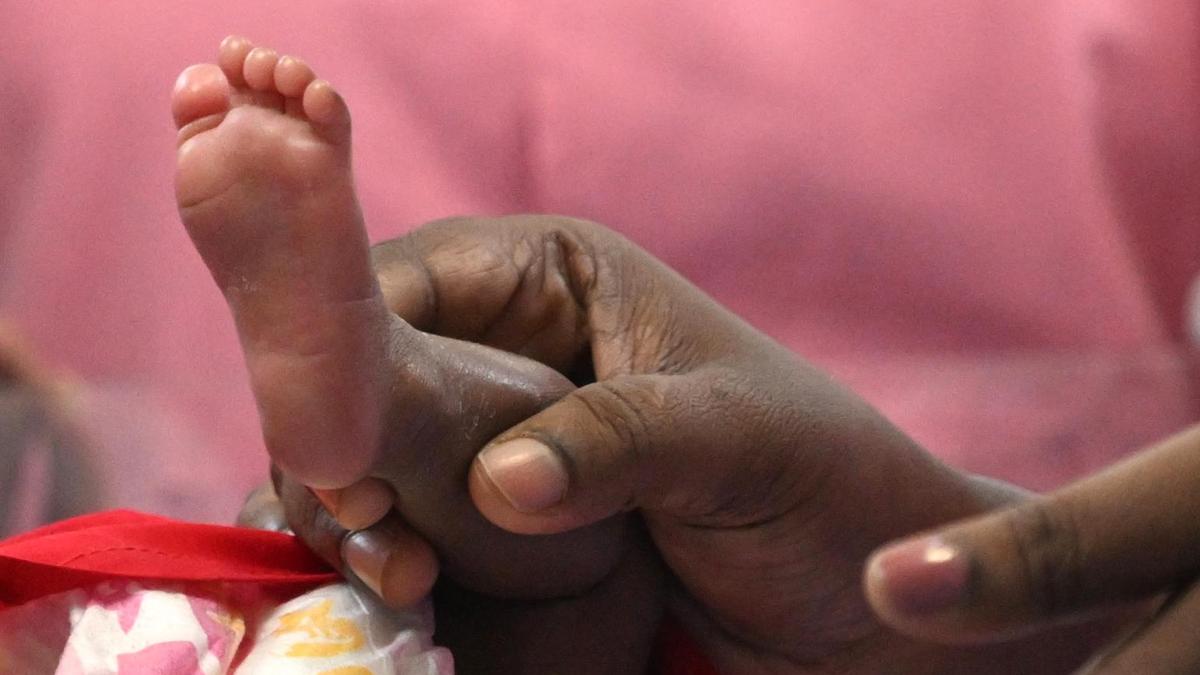
Kerala has achieved a major milestone by maintaining the lowest infant mortality rate in India. This success is not an overnight win but the result of decades of careful planning, government action, and social growth. By focusing on the health of both mothers and newborns, the state has created a safety net that saves thousands of lives every year. This achievement serves as a model for how public health systems can work effectively even with limited financial resources.
Main Impact
The primary impact of Kerala’s health strategy is the high survival rate of infants. While many regions continue to struggle with high death rates among newborns, Kerala has managed to bring its numbers down to levels seen in wealthy, developed nations. This success has improved the overall quality of life for families and has built deep trust in the public healthcare system. It shows that when a government prioritizes basic health services, the entire society benefits from better long-term health outcomes.
Key Details
What Happened
Kerala’s journey to low infant mortality began with a focus on grassroots healthcare. The state built a wide network of primary health centers that are easy for people to reach, even in rural villages. These centers provide essential services like regular check-ups for pregnant women, vaccinations for babies, and nutritional advice. By making healthcare local and accessible, the state ensured that medical help is available before a small health issue becomes a life-threatening emergency.
Another major factor is the focus on maternal education. In Kerala, high literacy rates among women have played a vital role. Educated mothers are more likely to seek medical help, follow vaccination schedules, and understand the importance of nutrition and hygiene. This social foundation has made the government’s health programs much more effective.
Important Numbers and Facts
The Infant Mortality Rate (IMR) is the number of deaths of children under one year of age per 1,000 live births. While the national average in India has often stayed much higher, Kerala’s IMR has dropped into the single digits. In recent years, the state reported an IMR as low as 6 or 7, which is significantly better than the national average of around 28. This gap highlights the massive difference that targeted health policies can make over time.
Background and Context
The roots of Kerala’s success go back many years. Even before India became independent, some regions of Kerala had already started focusing on public health and education. After the state was formed, successive governments continued this trend. They invested heavily in "human capital," which means they focused on the health and knowledge of the people rather than just building big factories or industries.
This approach is often called the "Kerala Model." It proves that a high quality of life can be achieved through social development and public services. The state also uses a decentralized system, where local village councils have the power and money to manage their own health centers. This ensures that the specific needs of each community are met quickly.
Public or Industry Reaction
Health experts and international organizations like the World Health Organization (WHO) have frequently praised Kerala’s health system. Many experts point out that Kerala spends its health budget very wisely. Instead of only building large, expensive hospitals in cities, the state puts money into small clinics that serve everyone. This "equity-based" approach is often cited in global discussions as the best way to improve health in developing regions. Local citizens also show high levels of satisfaction, as they can rely on government hospitals for quality care without facing massive medical bills.
What This Means Going Forward
Looking ahead, Kerala faces the challenge of maintaining these high standards. As the population ages and new health challenges arise, the state must continue to fund its clinics and train its medical staff. There is also a push to use more technology, such as digital health records, to track the health of mothers and babies more accurately. The next step is to further reduce neonatal mortality, which refers to deaths within the first 28 days of life, by improving specialized care in newborn intensive care units.
Final Take
Kerala’s success in fighting infant mortality is a powerful reminder that good health is a result of long-term commitment. It shows that when a society values education and provides easy access to doctors, it can protect its most vulnerable members. The state has proven that saving lives does not always require the most expensive technology, but rather a system that cares for every mother and child from the very start.
Frequently Asked Questions
Why does Kerala have the lowest infant mortality rate in India?
Kerala has the lowest rate because of its strong network of local health centers, high female literacy, and a long history of government investment in public health and nutrition.
What is the "Kerala Model" of healthcare?
The Kerala Model refers to the state's focus on social welfare, education, and decentralized healthcare, which allows even poor families to access quality medical services near their homes.
How does education help in reducing infant deaths?
Education, especially for women, leads to better awareness of health risks, improved nutrition for children, and a higher likelihood of following medical advice and vaccination plans.



