
Summary
A powerful explosion at a fireworks storage unit in Mundathikode, Kerala, has resulted in a tragic loss of life and left another person missing. The blast involved two neighbors who worked closely together in the fireworks trade. While one victim has been identified, search teams are still looking for the second individual amidst the debris. This incident has once again raised serious concerns about the safety of fireworks manufacturing and storage in residential areas.
Main Impact
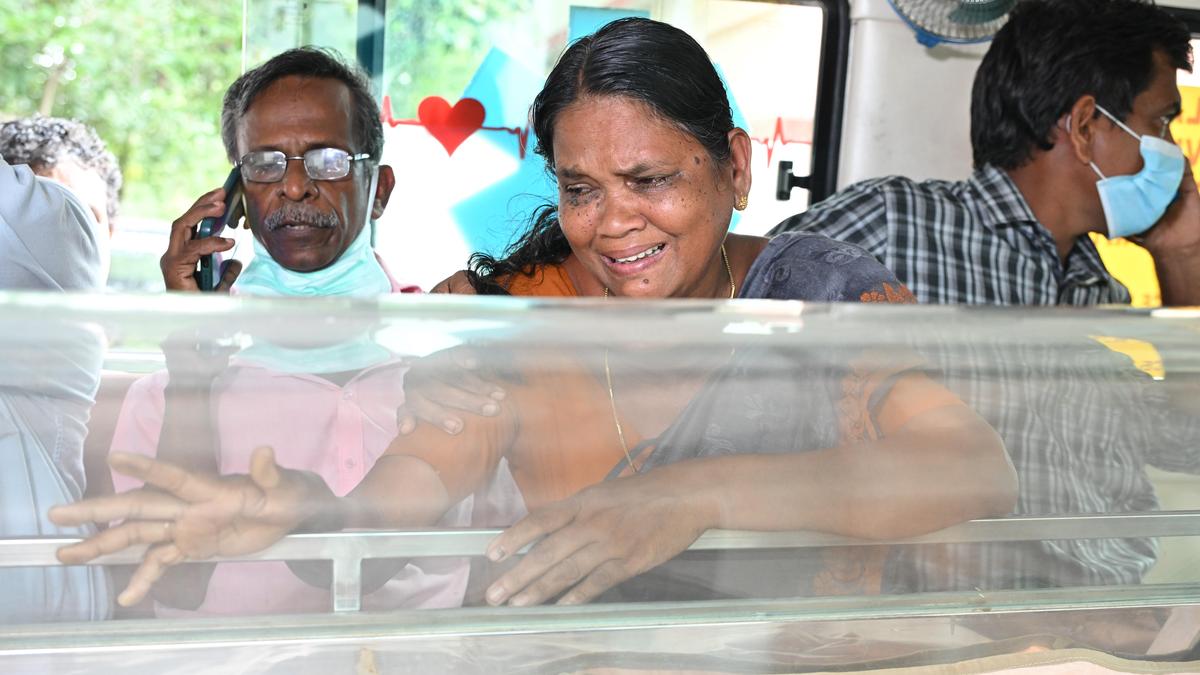
The explosion has caused deep grief in the local community and highlighted the extreme risks faced by workers in the fireworks industry. Beyond the immediate loss of life, the blast destroyed the building where the items were kept and caused minor damage to nearby homes. The event has forced local authorities to look closely at how explosives are handled in the region. For the families involved, the impact is life-changing, as they deal with the sudden death of one provider and the agonizing wait for news about the other.
Key Details
What Happened
The incident took place in Mundathikode, a village in the Thrissur district of Kerala. According to local reports, the explosion happened unexpectedly at a site used for storing or making crackers. The sound of the blast was so loud that people living several kilometers away reported hearing it. When neighbors rushed to the scene, they found the structure completely ruined and thick smoke rising into the air. Firefighters and rescue teams arrived shortly after to begin the difficult task of searching through the rubble.
The two men involved were not just coworkers but also lived near each other. They had spent years working in the same trade, often helping each other with various tasks. On the day of the accident, they were both at the facility when something went wrong. The force of the explosion was so great that it made the rescue operation very difficult for the emergency services.
Important Numbers and Facts
The blast occurred during the daytime, which likely prevented more casualties as many people were away at work. So far, one body has been recovered from the site. This victim was identified by family members shortly after being found. The second person remains missing, and specialized equipment is being used to clear the heavy debris. Local police have started a formal investigation to determine the exact cause of the fire and whether the facility was operating with a legal permit. Initial reports suggest that a large amount of gunpowder and finished crackers were stored on the premises at the time of the accident.
Background and Context
Kerala has a very strong tradition of using fireworks during religious festivals and public celebrations. Thrissur, in particular, is famous for its large-scale displays. Because of this high demand, many small-scale units operate throughout the district. While the government has strict rules about how these items should be made and stored, accidents still happen. Often, these units are located in or near residential neighborhoods, which puts many lives at risk if a fire breaks out.
In the past, Kerala has seen even larger disasters related to fireworks, which led to new safety laws. However, enforcing these rules in every small village remains a challenge for the government. Many workers in this industry are daily wage earners who may not have access to modern safety gear or formal training on how to handle dangerous chemicals safely.
Public or Industry Reaction
The local public has expressed both anger and sadness over the event. Many residents are asking why such a dangerous facility was allowed to operate so close to their homes. There is a growing demand for the government to conduct a full audit of all fireworks units in the district. Industry experts have also weighed in, noting that high temperatures during the summer months can make chemicals used in fireworks more unstable, increasing the risk of accidental fires.
Local leaders have visited the site and promised financial help to the affected families. They have also stated that anyone found guilty of violating safety laws will face strict legal action. The tragedy has cast a shadow over upcoming local festivities, with some groups calling for a more careful approach to using crackers this year.
What This Means Going Forward
In the coming weeks, the police and fire department will likely increase inspections of storage sites across the state. This accident serves as a harsh warning that even small amounts of explosives can cause massive destruction if not handled correctly. There may be new limits placed on where these units can be built, moving them further away from houses and schools. For the industry, this could mean higher costs for safety compliance, but it is a necessary step to protect human lives.
The search for the missing person continues, and the community remains hopeful for a resolution. Once the investigation is complete, the findings will likely be used to update safety protocols for workers. Education programs for laborers in the fireworks sector may also be introduced to help them identify early signs of danger.
Final Take
The Mundathikode blast is a painful reminder of the dangers hidden within a colorful and traditional industry. While fireworks bring joy to many during festivals, the cost of making them should never be human life. True progress will only happen when safety becomes the top priority for both the owners of these units and the authorities who oversee them. Until then, families will continue to live in fear of the next unexpected explosion.
Frequently Asked Questions
Where did the fireworks accident happen?
The accident took place in the Mundathikode area of Thrissur district in Kerala, India.
How many people were affected by the blast?
One person has been confirmed dead and identified, while another person who was at the site is currently missing.
What is being done to prevent future accidents?
Authorities are investigating the cause of the blast and checking if the facility had the proper licenses. There are calls for stricter safety inspections of all fireworks units in the region.



