
Summary
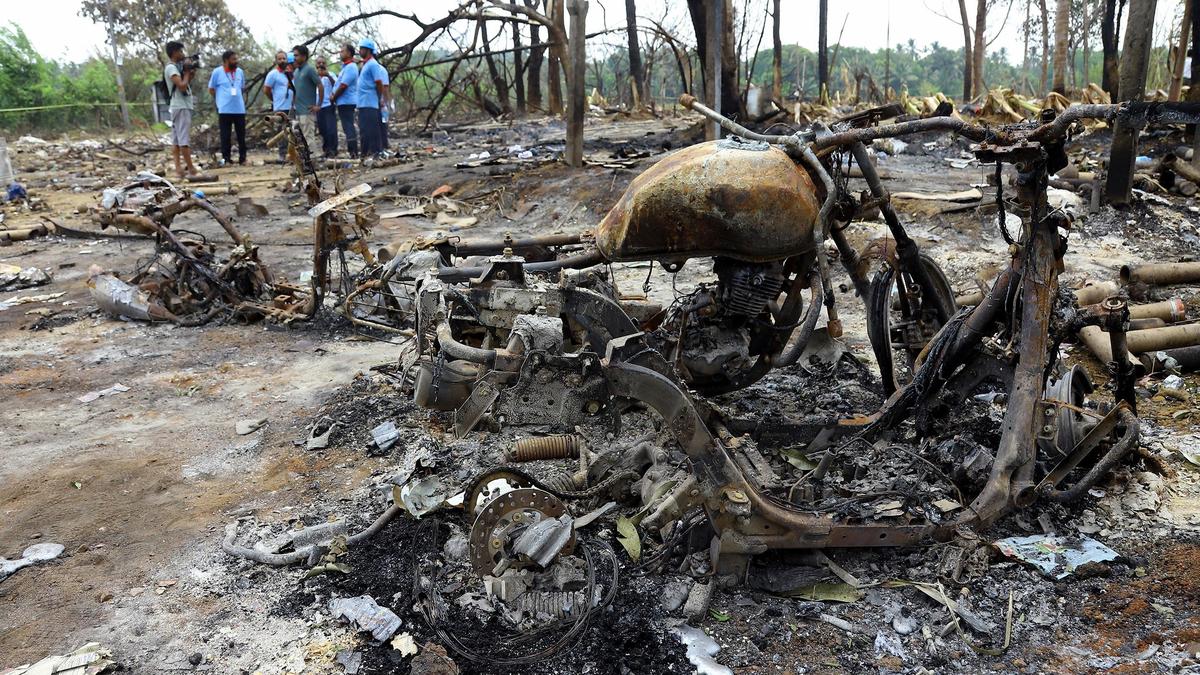
A recent fireworks accident in Mundathikode, Thrissur, has sparked a major debate across Kerala regarding traditional festival practices. Many people are now using social media to call for an end to high-intensity fireworks and the use of captive elephants during temple events. The movement seeks to prioritize public safety and animal welfare over long-standing traditions that have frequently led to injuries and deaths. This shift in public opinion could change how the state celebrates its most famous cultural festivals.
Main Impact
The primary impact of this movement is a growing demand for stricter safety rules and ethical changes in religious celebrations. For decades, massive fireworks and parades of decorated elephants have been the main attractions of Kerala’s temple festivals. However, the recurring nature of accidents has caused a change in heart for many residents. The current campaign is putting pressure on temple committees and the state government to find safer alternatives. If these demands are met, it could lead to a future where festivals rely on technology, such as laser shows or drones, rather than dangerous explosives and live animals.
Key Details
What Happened
The latest wave of protests followed a tragic incident at Mundathikode in the Thrissur district. During a local festival, a fireworks display went wrong, leading to an explosion that caused injuries and panic. This event reminded the public of past disasters, such as the 2016 Puttingal temple tragedy, where over 100 people lost their lives. Alongside the fire risks, the treatment of elephants has also come under fire. These animals are often forced to stand for hours in extreme heat, surrounded by loud noises and large crowds, which can cause them to turn violent or collapse from exhaustion.
Important Numbers and Facts
Kerala is home to hundreds of captive elephants used specifically for religious and cultural events. Data from animal rights groups shows that dozens of these elephants die every year due to poor living conditions, lack of rest, and the stress of festival cycles. In terms of fireworks, the state has seen several major accidents over the last decade, resulting in hundreds of deaths and thousands of injuries. Despite existing laws meant to control the use of gunpowder, many organizers still use high-intensity explosives to make their displays more impressive than neighboring temples.
Background and Context
Temple festivals, known as "Pooram," are a deep part of Kerala's identity. They bring communities together and attract tourists from all over the world. Traditionally, these events used small amounts of crackers and a few local elephants. However, over time, the scale of these celebrations has grown immensely. Competition between different temple groups has led to the use of more powerful explosives and larger numbers of elephants. While these displays are visually stunning, they have become increasingly difficult to manage safely. The loud noise of the fireworks is particularly harmful to elephants, who have very sensitive hearing, often leading to "musth" or sudden outbursts of rage that endanger the public.
Public or Industry Reaction
The reaction to these calls for change is divided. On one side, social media activists and animal lovers argue that tradition should never come at the cost of life. They believe that using animals for entertainment is outdated and cruel. On the other side, some traditionalists and festival organizers argue that fireworks and elephants are essential parts of the ritual. They fear that removing these elements will destroy the cultural value of the festivals. However, even among supporters of tradition, there is a growing group that agrees that safety measures must be improved and that the use of high-intensity "dynamite-style" crackers should be banned immediately.
What This Means Going Forward
Moving forward, the Kerala government may face tougher choices regarding festival permits. There is a strong possibility that new regulations will limit the decibel levels of fireworks and require larger safety zones between the display and the crowd. For elephants, there is a push to use mechanical or robotic elephants instead of live ones. Some temples in Kerala have already started using life-sized robotic elephants for rituals, receiving praise from both the public and animal welfare organizations. The success of these alternatives will determine if Kerala can maintain its rich culture without the risks currently associated with it.
Final Take
True celebration should bring joy, not fear or tragedy. While traditions are important for keeping history alive, they must change when they pose a threat to human life and animal well-being. The growing voice of the public in Kerala suggests that the time for safer, more compassionate festivals has arrived. By choosing safety and kindness over loud displays, the state can ensure its festivals remain a source of pride for generations to come.
Frequently Asked Questions
Why are people asking to ban fireworks in Kerala festivals?
People are concerned about safety because many fireworks displays have led to major accidents, fires, and deaths. High-intensity explosives are often used without proper safety distances.
How do festivals affect elephants?
Elephants suffer from loud noises, extreme heat, and long hours of standing. This stress can cause them to become violent or suffer from serious health problems, leading to many deaths each year.
Are there any alternatives to using live elephants?
Yes, some temples have started using robotic elephants that look and move like real ones. These can perform rituals without any risk to the public or harm to animals.



