
Summary
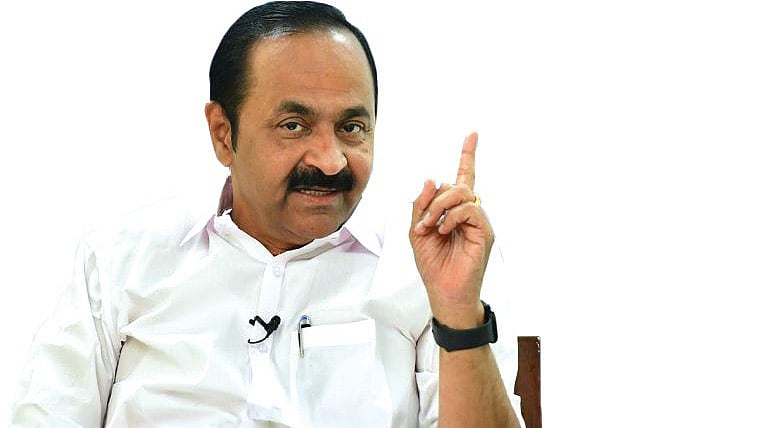
The recent elections in Kerala have sparked a deep debate about the style of political leadership in the state. V.D. Satheesan, a prominent leader of the Congress-led United Democratic Front (UDF), argues that the current government has moved away from traditional values to focus on a single leader. He believes the public is ready to move past this "personality cult" and return to a more democratic and collective way of governing. This election is seen as a major turning point for the state’s political future.
Main Impact
The primary impact of this election cycle is the shift in how political campaigns are run in Kerala. For the first time, the state saw a massive wave of advertising centered on one individual rather than a party platform. Satheesan claims this change has forced voters to choose between a government run by a single powerful figure and a coalition that promises shared leadership. This shift could change how future governments in Kerala interact with the public and handle state resources.
Key Details
What Happened
During the campaign, the ruling party used thousands of billboards and digital ads to highlight the Chief Minister. Satheesan points out that this was an unprecedented use of state and party money to build a specific image. In response, the UDF focused on a "team" approach, showing multiple leaders to represent their collective goals. Satheesan also noted that the campaign became highly personal, with social media being used to attack opposition leaders through organized "capsules" or pre-written messages designed to spread quickly online.
Important Numbers and Facts
- Over 10,000 billboards across Kerala featured the face of the Chief Minister.
- The UDF used approximately 700 billboards to show a group of national and state leaders.
- Satheesan has served in the Kerala Legislative Assembly for 20 years.
- The opposition claims that the state is facing high financial stress due to a debt-driven growth model.
- In Wayanad, the Indian Union Muslim League (IUML) has already built 53 houses to help people affected by disasters, filling gaps left by the state government.
Background and Context
Kerala has a long history of "Left" politics, which usually focuses on social justice, equality, and helping the poor. However, Satheesan argues that the current ruling party, the CPI(M), has changed. He suggests that power has become too centralized, meaning a few people at the top make all the decisions. This has led to a lack of transparency and a focus on "spectacle" rather than solving real problems like unemployment and environmental issues. The UDF is now claiming to be the "real Left" by focusing on the needs of marginalized communities and protecting democratic rights.
Public or Industry Reaction
The reaction to this new style of campaigning has been mixed. While some voters are drawn to a strong leader, others are worried about the cost and the focus on image over action. Satheesan mentions that many people in civil society have supported him against personal attacks. There is also a growing concern about the state's finances. Many citizens are feeling the impact of delayed welfare payments, which has led to criticism of the government’s spending priorities. The opposition also claims that the CPI(M) and the BJP sometimes help each other politically, which confuses the public about who is truly in opposition.
What This Means Going Forward
If the UDF wins, Satheesan promises a major shift in how the state is run. The first priority will be to make the government’s finances transparent and ensure that welfare payments are made on time. They also plan to review large projects to see if they are actually good for the environment and the economy. The goal is to move away from "image-building" and focus on "responsible governance." This would mean giving more power back to institutions and ensuring that dissent is not suppressed. The outcome of this election will determine if Kerala continues with a leader-focused system or returns to a more traditional, collective style of politics.
Final Take
The election in Kerala is more than just a fight between parties; it is a test of the state's political identity. By moving away from a single-leader focus, the opposition hopes to restore a sense of balance and accountability. Whether the voters choose to stick with the current path or demand a return to collective leadership will shape the state's social and economic health for years to come. The focus must remain on the people's needs rather than the fame of a few individuals.
Frequently Asked Questions
What is a "personality cult" in politics?
It is when a political leader uses mass media and propaganda to create an idealized and heroic image of themselves to maintain power.
Why is the UDF criticizing the state's finances?
The UDF argues that the state is borrowing too much money for big projects and publicity, which has led to delays in paying for essential welfare services for the poor.
What are "social media capsules"?
In this context, they are pre-made messages or images created by political parties for their supporters to share quickly on social media to spread a specific narrative or attack an opponent.

