
Summary
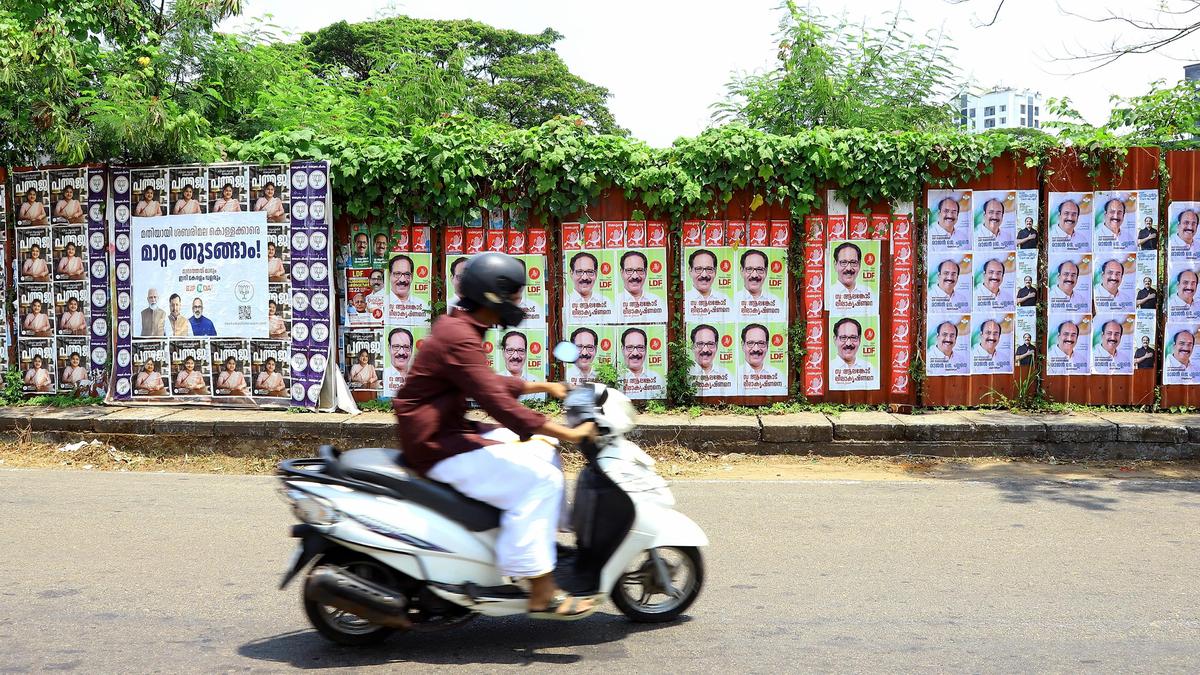
The 2026 Kerala Assembly elections are shaping up to be a historic event as the state moves away from its traditional two-party system. In nine specific voting areas, a intense three-way battle is taking place between the major political groups. These contests involve the Left Democratic Front (LDF), the United Democratic Front (UDF), and the National Democratic Alliance (NDA). Because the competition is so close in these areas, the results here will likely decide which group wins enough seats to lead the state government.
Main Impact
The most significant impact of these three-way fights is the change in how votes are shared. For many years, Kerala politics was a simple race between the LDF and the UDF. However, the growing strength of the NDA has turned several key seats into unpredictable zones. When three strong sides compete, a candidate can win with a much smaller percentage of the total vote than before. This shift makes it harder for the traditional big parties to feel safe in their usual strongholds. Every single vote in these nine seats now carries more weight than ever, as they could tip the balance of power for the entire state.
Key Details
What Happened
Political experts and local observers have identified nine seats where the competition is no longer a simple two-sided affair. These areas are spread across the state, from the southern tip to the northern border. The seats where the LDF, UDF, and NDA are all fighting equally hard are Nemom, Kazhakkoottam, Vattiyoorkkavu, Aranmula, Pala, Thrissur, Nattika, Palakkad, and Manjeshwaram. In these locations, all three groups have put forward strong candidates and are spending a lot of time and money on their campaigns.
Important Numbers and Facts
The list of nine seats includes some of the most famous political battlegrounds in Kerala. For example, Nemom was the first seat ever won by the BJP in the state, making it a high-priority target for all sides. Thrissur has also become a major focus after recent election results showed a surge in support for the NDA. In the north, Manjeshwaram remains a seat where the margin of victory is often very small, sometimes decided by fewer than a thousand votes. In Palakkad, the race is expected to be just as tight, with all three parties claiming they have the most support from local residents. These nine seats represent a significant portion of the assembly and are seen as the "keys" to the state house.
Background and Context
To understand why this matters, one must look at how Kerala usually votes. For decades, the state has switched between the LDF (led by the Communist parties) and the UDF (led by the Congress party) every five years. This pattern only changed recently when the LDF won two times in a row. Now, the NDA (led by the BJP) is trying to become a permanent third force in the state. By focusing on specific seats where they have grown their support, the NDA is challenging the old way of doing things. This change means that voters now have three distinct paths to choose from, each offering a different vision for the state's future. This makes the 2026 election one of the most complex in Kerala's history.
Public or Industry Reaction
The reaction from the public has been a mix of excitement and uncertainty. Many voters feel that having a third option is good for democracy because it forces all parties to work harder. However, some people worry that a three-way split might lead to a "hung assembly," where no single group has enough seats to form a government easily. Political analysts are watching these nine seats closely, calling them "swing seats." They believe that the party that manages to win at least five or six of these nine areas will have the best chance of leading the state. Within the parties themselves, there is a lot of pressure on local leaders to ensure that their supporters do not move to the third side at the last minute.
What This Means Going Forward
Looking ahead, the results in these nine seats will show if Kerala is truly moving toward a three-party system. If the NDA wins several of these seats, it will prove they are a major power in the state. If the LDF or UDF manages to sweep these areas, it will show that the traditional powers still hold control. The parties are likely to change their strategies in the coming weeks, focusing more on local issues like jobs, farming, and roads to win over undecided voters. There is also a risk that if the vote is split too many ways, the winner might not truly represent the majority of the people in that area. This will lead to more discussions about how elections are run and how winners are chosen in the future.
Final Take
The 2026 Kerala elections are no longer a predictable two-horse race. The emergence of nine critical three-way battles has turned the political map into a high-stakes puzzle. These seats are not just local contests; they are the primary battlegrounds that will decide the direction of the entire state. As the voting day gets closer, all eyes will be on these nine areas to see who comes out on top in this new era of Kerala politics.
Frequently Asked Questions
Which nine seats are seeing a three-way fight?
The nine seats are Nemom, Kazhakkoottam, Vattiyoorkkavu, Aranmula, Pala, Thrissur, Nattika, Palakkad, and Manjeshwaram.
Who are the three main groups involved?
The three groups are the Left Democratic Front (LDF), the United Democratic Front (UDF), and the National Democratic Alliance (NDA).
Why are these specific seats so important?
These seats are important because the competition is very close. The winners in these nine areas could decide which party or group gets enough total seats to form the next government in Kerala.



