
Summary
The Kerala Forest Development Corporation (KFDC) has reported a major shift in how it earns money. For the first time, ecotourism has become the primary source of revenue for the organization, overtaking traditional forestry activities. During the last financial year, the agency earned more from nature-based tourism than from selling forest crops. This change highlights a growing trend where protecting and showing off natural beauty is more profitable than harvesting forest resources.
Main Impact
The main impact of this shift is a move toward more sustainable business practices within the state's forest department. By earning more from tourism, the KFDC can focus less on cutting down trees for timber or pulpwood. This helps in preserving the local environment while still bringing in the money needed to run the corporation. It also shows that travelers are willing to pay for high-quality, eco-friendly experiences in nature, which supports the local economy without damaging the earth.
Key Details
What Happened
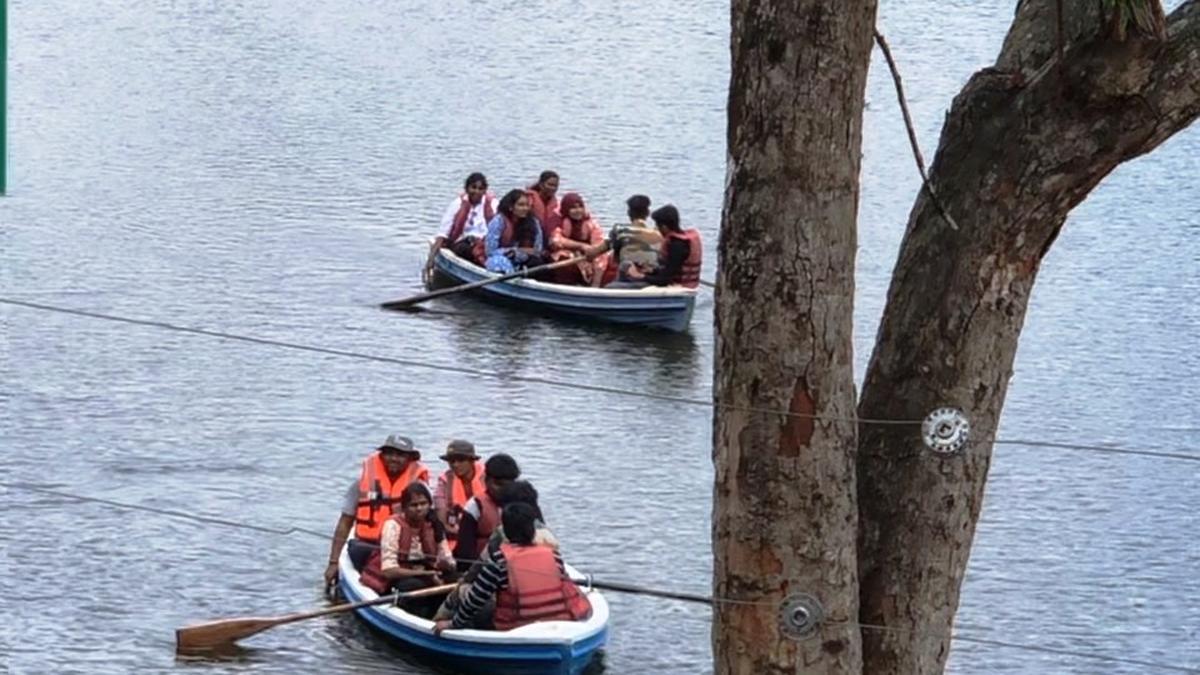
The KFDC recently shared its financial results for the past year. The data shows that the corporation is no longer just a timber and plantation company. Instead, it has turned into a major player in the travel industry. Most of the money came from people visiting forest areas for trekking, staying in eco-friendly camps, and taking guided tours. These activities have become very popular with both local visitors and tourists from other parts of the country.
Important Numbers and Facts
The financial report provides clear evidence of this change. The KFDC earned a total of 14.75 crore rupees from ecotourism activities. In comparison, the revenue from forestry crops was 11 crore rupees. Forestry crops usually include trees like eucalyptus and acacia, which are grown and sold for industrial use. The fact that tourism beat these traditional crops by nearly 4 crore rupees is a major turning point for the agency. These figures show that the demand for outdoor adventures is at an all-time high.
Background and Context
To understand why this matters, we have to look at what the KFDC does. For many years, the corporation was mainly focused on managing plantations. They grew specific types of trees to provide raw materials for factories that make paper and wood products. While this brought in steady money, it required a lot of land and regular harvesting.
Ecotourism is a different approach. It involves setting up small, low-impact camps and trails in the forest. Visitors pay to see the wildlife and enjoy the fresh air. Places like Munnar, Gavi, and Wayanad have become famous for these types of trips. Over the last few years, the KFDC has worked hard to improve the facilities at these locations, adding better tents and safer trekking paths. This work is now paying off in the form of higher earnings.
Public or Industry Reaction
Many environmental experts are pleased with this news. They believe that if the forest department makes more money from tourism, there will be less pressure to clear forests for wood. Local communities are also seeing the benefits. Many people living near these forests now work as guides, cooks, or drivers for the tourists. This creates jobs that do not involve harming the environment. Travelers have also given positive feedback, noting that the KFDC-managed sites are often cleaner and more peaceful than traditional tourist spots.
What This Means Going Forward
Looking ahead, the KFDC is likely to invest even more in tourism projects. They may open new trekking routes or build more eco-friendly cabins in areas that are not yet well-known. However, there is also a need for caution. As more people visit these sensitive areas, the risk of pollution and disturbance to wildlife increases. The corporation will need to find a way to manage the high number of visitors without ruining the very nature that people are coming to see. Using booking systems to limit the number of people and enforcing strict rules against littering will be important steps.
Final Take
The success of ecotourism for the KFDC proves that nature is worth more when it is kept alive and healthy. Moving away from a focus on harvesting crops to a focus on sustainable travel is a win for both the economy and the environment. It sets a great example for other states to follow, showing that protecting the forest can be a very successful business model.
Frequently Asked Questions
What is ecotourism?
Ecotourism is a type of travel that focuses on visiting natural areas in a way that does not harm the environment. It often involves activities like hiking, bird watching, and staying in simple, eco-friendly housing.
Why did the KFDC earn more from tourism than crops?
More people are choosing to spend their money on outdoor experiences and nature trips. At the same time, the demand for traditional forest crops like wood for paper has stayed the same or faced more competition, making tourism the more profitable option.
Where does the KFDC run its tourism projects?
The KFDC operates in several beautiful parts of Kerala. Some of the most popular spots include Munnar, Gavi, and parts of the Wayanad district, where they offer trekking and forest stays.



