
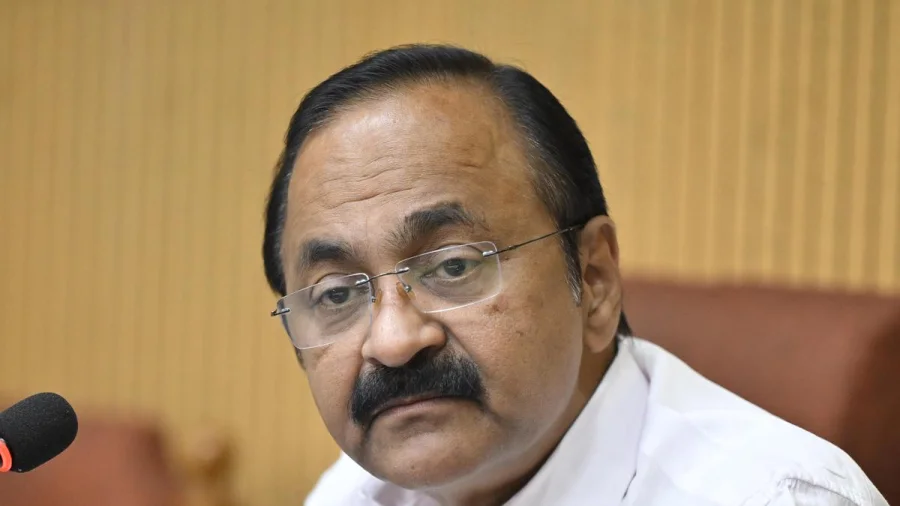
A remark meant to celebrate Kerala’s culinary heritage has instead ignited a fierce debate on sexism and patriarchal norms. Chief Minister V.D. Satheesan, while encouraging families to preserve traditional recipes, specifically advised mothers to pass them down to their daughters-in-law — a comment that many have called regressive and exclusionary.
‘Daughters-in-law only’ — What the Kerala CM actually said
The Chief Minister made the suggestion during a function in Malappuram district, according to local reports. He was speaking about the importance of keeping traditional Kerala dishes alive. “Mothers should ensure that their traditional recipes are passed on to their daughters-in-law,” he said, without mentioning sons or male family members. The omission was immediate.
Why the remark is drawing fire
Critics argue the comment reinforces the age-old stereotype that kitchen work is solely a woman’s domain. “Why not sons? Why only daughters-in-law?” asked women’s rights activist Mina Krishnan. Social media users pointed out that the burden of preserving cultural traditions often falls on women, while men are exempted. The remark has been labelled “tone deaf” and “outdated” in a state that prides itself on progressive social indicators.
The backdrop of gender roles in Kerala
Kerala ranks high on human development indices, but gender equality in domestic work remains a sore point. Studies show that women in the state spend significantly more time on unpaid household labour than men. The CM’s advice, though likely well-intentioned, has inadvertently highlighted this persistent disparity. It also comes amid ongoing debates about shared domestic responsibilities and the role of men in the kitchen.
Who is affected? Women and the burden of tradition
For many women, especially those married into joint families, the “daughter-in-law” expectation is a real, everyday pressure. The remark reinforces the idea that a woman’s primary duty in her marital home is to cook and maintain culinary traditions — often while also managing careers. “It’s 2025. We should be asking sons and husbands to learn these recipes too,” said Priya S., a Bengaluru-based IT professional from Kerala. The emotional weight of such casual statements can be heavy for those already juggling multiple roles.
Political response and silence from the CM
Opposition parties, including the Congress and BJP, were quick to seize the opportunity. Congress leader K. Sudhakaran called the remark “unfortunate and regressive”. BJP state president K. Surendran demanded an apology. However, the Chief Minister’s office has remained silent. No clarification or retraction has been issued, leading to speculation that the CM may not consider the matter serious — a stance that could further alienate women voters.
Analysis: A slip of tongue or a window into deeper attitudes?
While some defend the CM, arguing he was simply giving practical advice in a cultural context, the backlash reveals a deeper problem — the casual normalization of gendered duties. Public figures’ words matter; they shape social expectations. Whether this was an offhand remark or a reflection of ingrained thinking, the response from the public suggests Kerala is no longer willing to accept such framing without pushback.
Confirmed facts vs what remains unclear
What is confirmed: The CM made the statement at a public event; it has been reported by multiple local media outlets; no official clarification has been issued. What remains unclear: The exact wording and context of his speech, whether he intended to exclude sons or was just speaking loosely, and whether his office will respond. All interpretations beyond the basic fact are speculative.
Is there a positive interpretation? A balanced view
Some supporters argue the CM’s advice was practical — daughters-in-law are often the ones who cook in traditional households. They say he was merely acknowledging an existing reality, not prescribing it. Others note that his larger message was about preserving heritage, which is valuable. However, even if well-meaning, the remark ignores the opportunity to encourage shared responsibility. The criticism stands on its own merit: phrasing matters, especially from a leader.
Wider trend: Gender stereotypes in public discourse
This incident is not isolated. Across India, political leaders have often made remarks that reinforce domestic gender roles — from “women should cook” to “mothers should teach daughters”. Such statements, while appearing minor, contribute to a climate where equality in the home remains aspirational. The backlash in Kerala shows that citizens are increasingly holding leaders accountable for casual sexism.
Practical guidance: What should families take away?
For readers, the takeaway is simple: recipes and cooking skills are life skills, not gendered ones. Families — mothers and fathers alike — should teach both sons and daughters, daughters-in-law and sons-in-law. If the goal is to preserve tradition, make it inclusive. The conversation should be about sharing culture, not burdening a specific group.
Future outlook: Will the CM clarify?
Political analysts expect the CM will either issue a clarification or let the controversy fade. Given the intensity of the backlash, a clarification may be necessary to quell the debate. The incident could also spark broader conversations in the Kerala Assembly about gender equality in domestic life. For now, the silence speaks louder than the original words.
Our Take
The row over a few words may seem disproportionate, but it reveals how deeply gender expectations are embedded in everyday language. Leaders must choose their words carefully — not for political correctness, but because words shape norms. Kerala’s reaction shows that women are no longer willing to be the silent preservers of tradition. Tradition itself should evolve.
Frequently Asked Questions
What exactly did Kerala CM V.D. Satheesan say?
He advised mothers to pass on traditional recipes to their daughters-in-law during a public event in Malappuram. The remark omitted sons or any male family members.
Why is the remark considered sexist?
Critics say it reinforces the stereotype that cooking is a woman’s job and places the burden of preserving culinary heritage solely on women, excluding men from responsibility.
Has the Chief Minister responded to the backlash?
No official response or clarification has been issued from the Chief Minister’s office as of now.
What does this controversy tell us about gender roles in Kerala?
Despite Kerala’s high human development indicators, domestic gender roles remain unequal. The backlash indicates growing intolerance for casual sexism in public discourse.



