Summary
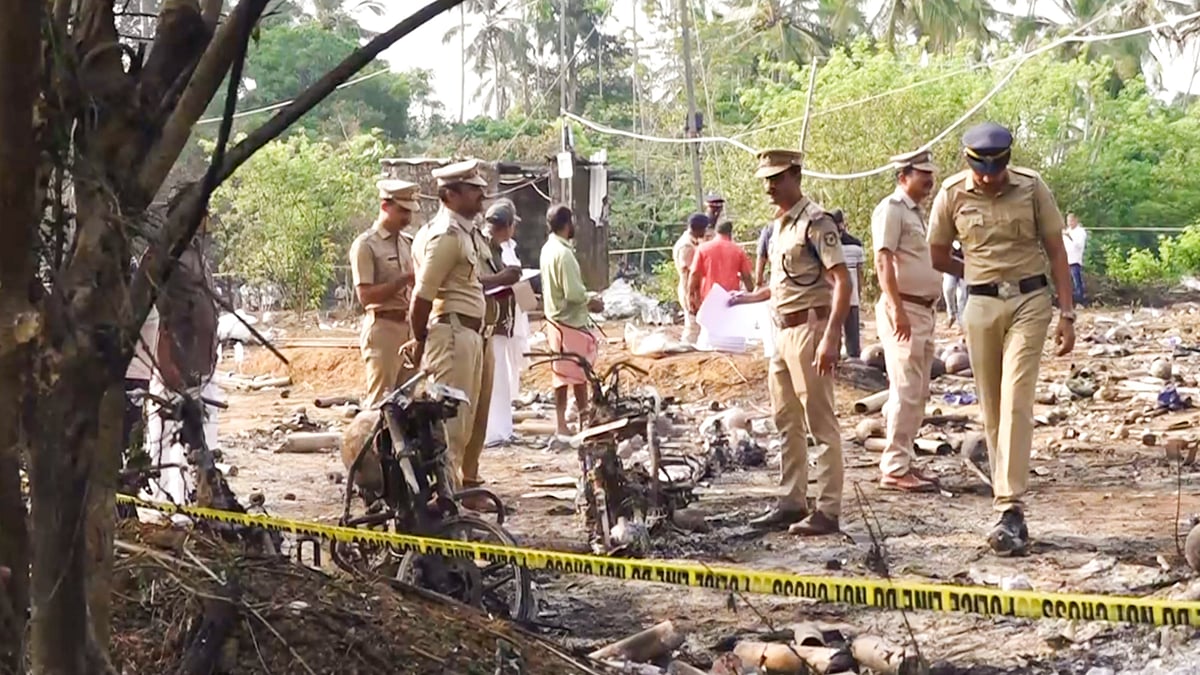
The number of people who died after a massive fireworks explosion in Kerala has now reached 17. This update comes after a young worker died from his injuries at a local hospital on Monday. The explosion happened on April 21 at a manufacturing site in the Thrissur district. This tragic event has shocked the local community and led to a major investigation into how the accident occurred.
Main Impact
This disaster has had a deep effect on the families and workers in the Mundathikode area. With 17 people confirmed dead and others still missing, the loss of life is significant for this small community. The explosion did not just cause physical damage; it also hurt the spirit of the local culture. Many of the people who worked at the site were active members of the community who helped organize local festivals. The loss of these individuals has changed the mood of the entire region during a time that is usually filled with celebration.
The incident has also forced local leaders to rethink safety rules for making fireworks. Because the blast was so powerful, it has raised serious worries about how dangerous chemicals are handled near residential areas. The impact is also being felt by the religious groups that manage the local festivals, as they now face questions about the safety of their traditional displays.
Key Details
What Happened
The explosion took place at a fireworks production unit in Mundathikode, located in Kerala’s Thrissur district. On April 21, a sudden blast tore through the facility while workers were preparing items for an upcoming festival. The latest victim was identified as 29-year-old Rakesh from Kundannur. He had been fighting for his life in the Intensive Care Unit (ICU) at Thrissur Medical College. Doctors reported that Rakesh had burns on more than 85 percent of his body. He reportedly suffered these injuries while he was trying to run away from the building when the fire started.
Important Numbers and Facts
At the time of the blast, there were 38 people working at the site. Out of those 38 people, 17 are now confirmed dead. There are still four people missing, and rescue teams are working hard to find them. One other person remains in the hospital in critical condition, meaning their life is still in great danger. The owner of the facility, who held the license to make the fireworks, also died earlier from injuries caused by the explosion. To help identify the victims, officials are using DNA testing on remains found at the site, and these results are expected to be ready very soon.
Background and Context
Fireworks are a very important part of life in Kerala, especially in the Thrissur district. Every year, the region holds the Thrissur Pooram, which is one of the largest and most famous festivals in India. This festival features large parades with elephants and massive fireworks shows that light up the sky. The fireworks being made at the Mundathikode unit were intended for the Thiruvambady Devaswom, one of the main groups that organizes the festival.
While these displays are beautiful and bring in many tourists, the work of making the fireworks is very risky. Workers often handle explosive powders and chemicals by hand in small workshops. Over the years, there have been several accidents in these types of units, leading to calls for better safety laws. This latest tragedy has brought those concerns back to the center of public discussion.
Public or Industry Reaction
The local community is in deep mourning. Rakesh, the latest victim, was well-loved in his town. He was known for his energy and his participation in traditional events like the Pulikali, which is a famous "tiger dance" performed during festivals. His death has made the tragedy feel even more personal for many residents. Because of the high number of deaths, the organizers of the Thrissur Pooram decided to make the celebrations much smaller this year. They felt it was not right to have a massive party while so many families were grieving.
In the fireworks industry, there is a mix of sadness and fear. Other workers are worried about their own safety, while business owners are concerned about new rules that might be put in place. Many people are calling for the government to provide better training and safer equipment for those who work with explosives.
What This Means Going Forward
The government has started several investigations to find out exactly what went wrong. The police are looking into whether the factory followed all the legal safety rules. At the same time, a special judicial commission has been set up. This commission is led by Justice C.N. Ramachandran. They will look at the types of chemicals that were being used at the unit and check if any illegal materials were present. They will also look at whether the building was safe enough for this kind of work.
In the future, this event could lead to much stricter laws for the fireworks industry in Kerala. There may be new limits on where these factories can be built and how many people can work in them at one time. The goal is to make sure that traditional festivals can continue without putting the lives of workers at such high risk.
Final Take
This tragedy is a painful reminder that safety must always come before tradition. While the fireworks bring joy to thousands of people, the lives of the workers who make them are far more valuable. The community now waits for the results of the official investigation, hoping that the lessons learned from this disaster will prevent something like this from ever happening again.
Frequently Asked Questions
How many people died in the Kerala fireworks explosion?
As of the latest reports, 17 people have died following the explosion in the Thrissur district. This includes the licensee of the unit and several workers.
What caused the explosion at the fireworks unit?
The exact cause is still being investigated by the police and a judicial commission. They are focusing on the chemicals used at the site and whether safety rules were followed.
Will the Thrissur Pooram festival still happen?
The festival did take place, but the celebrations were greatly reduced in size out of respect for the victims and their families.