
Summary
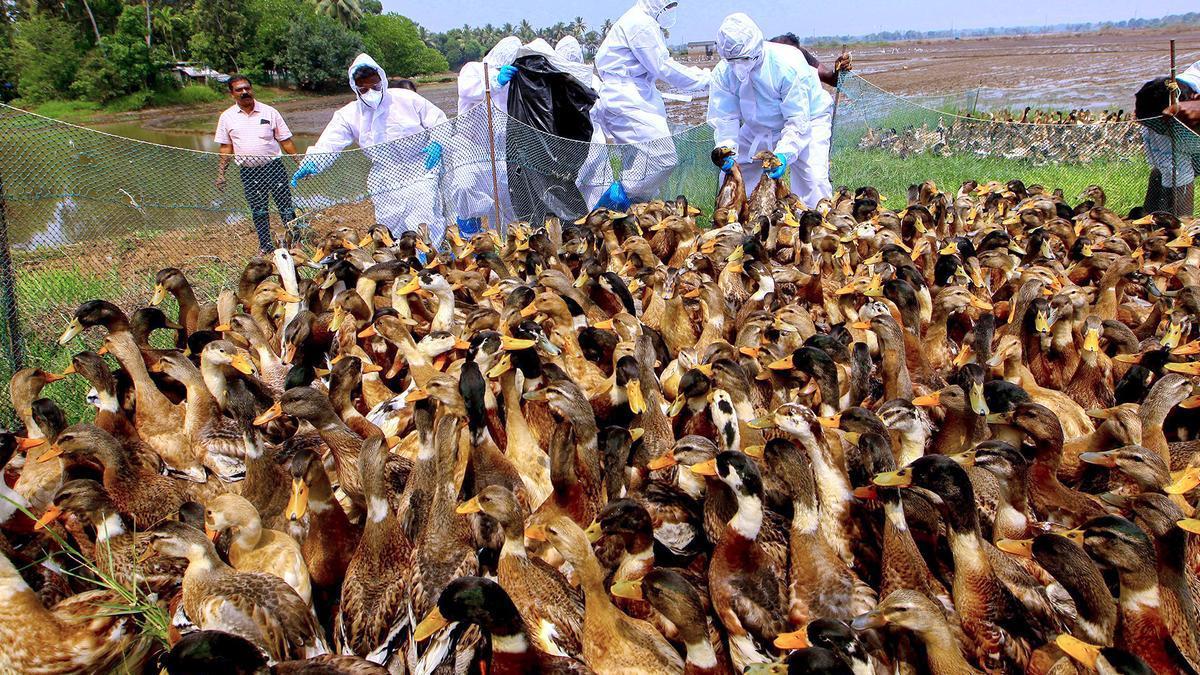
Health officials in Kerala have confirmed a new outbreak of bird flu in the Alappuzha district. To prevent the virus from spreading further, the government has ordered the culling of 5,961 birds, mostly ducks and poultry. Authorities are asking the public to stay alert and report any unusual bird deaths to the nearest veterinary clinic immediately. This move is part of a strict containment plan to protect both the local farming industry and public health.
Main Impact
The discovery of bird flu in Alappuzha has an immediate effect on the local economy and the daily lives of farmers. Culling nearly 6,000 birds is a major blow to poultry owners who rely on these animals for their income. Beyond the financial loss, the outbreak creates a health risk that requires quick action. By removing infected birds, the government hopes to stop the virus from jumping to other farms or, in rare cases, to humans. This situation also leads to temporary bans on the sale of eggs and meat in the affected areas, which changes how local markets operate for several weeks.
Key Details
What Happened
The outbreak was identified after several birds in the region died suddenly. Samples were sent to specialized laboratories to confirm the presence of the virus. Once the tests came back positive for bird flu, the district administration triggered an emergency response. The primary goal is to clear the area of any potential carriers of the disease. This is done through a process called culling, where birds in the infected zone are safely killed and disposed of according to strict health rules.
Important Numbers and Facts
A total of 5,961 birds are scheduled to be culled as part of this operation. The government has formed several Rapid Response Teams to carry out this work. These teams consist of veterinary doctors, health workers, and local officials. The culling usually happens within a one-kilometer radius of the spot where the infection was first found. After the birds are removed, the entire area must be cleaned with strong chemicals to kill any remaining traces of the virus. Officials have also set up a surveillance zone that extends up to ten kilometers to monitor for any new cases.
Background and Context
Alappuzha is a region known for its large wetlands and water bodies, making it a popular place for duck farming. However, these same features make it vulnerable to bird flu. Every year, many migratory birds fly into Kerala from other parts of the world. These wild birds often carry the virus without getting sick themselves. When they interact with local farm birds, the virus can spread quickly. Kerala has dealt with bird flu several times in the past few years, so the state has a well-defined plan to handle these situations. Even though the state is prepared, each new outbreak causes fresh worry for the community.
Public or Industry Reaction
Local farmers are expressing deep concern over the loss of their birds. Many have asked the government for quick financial help to cover their losses. The animal husbandry department has promised that compensation will be provided to those whose birds are culled. Meanwhile, the general public is being cautious. Many people are choosing to avoid poultry products for the time being, even though health experts say that well-cooked meat is generally safe. Local leaders are working to keep the peace and ensure that people follow the safety guidelines without panic.
What This Means Going Forward
In the coming weeks, the focus will stay on monitoring the region. The movement of poultry, eggs, and even bird droppings will be restricted in and out of the affected zones. Health workers will also keep an eye on people who live close to the infected farms to make sure no one shows symptoms of illness. If no new cases are found after a certain period, the restrictions will be lifted. This event serves as a reminder for farmers to improve their safety measures, such as keeping farm birds away from wild birds and keeping their equipment clean.
Final Take
The bird flu outbreak in Alappuzha is a serious reminder of how easily diseases can spread in nature. While the loss of nearly 6,000 birds is a difficult situation for farmers, the quick action taken by the government is necessary to prevent a much larger disaster. Staying alert and following the advice of veterinary experts is the best way for the community to move past this challenge and protect the local food supply.
Frequently Asked Questions
Is it safe to eat chicken or eggs during a bird flu outbreak?
Health experts say it is generally safe if the meat and eggs are cooked thoroughly at high temperatures. However, it is best to follow the specific advice of local health officials, who may ban sales in certain areas for a short time.
How does bird flu spread to farms?
The virus is often carried by migratory birds. It can spread through direct contact with infected birds or through contaminated water, feed, and equipment. This is why keeping farm animals separated from wild birds is very important.
Will farmers get paid for the birds that are culled?
Yes, the government usually provides a set amount of money as compensation for every bird that is culled by official teams. This helps farmers recover some of the money they lost due to the outbreak.



