
Summary
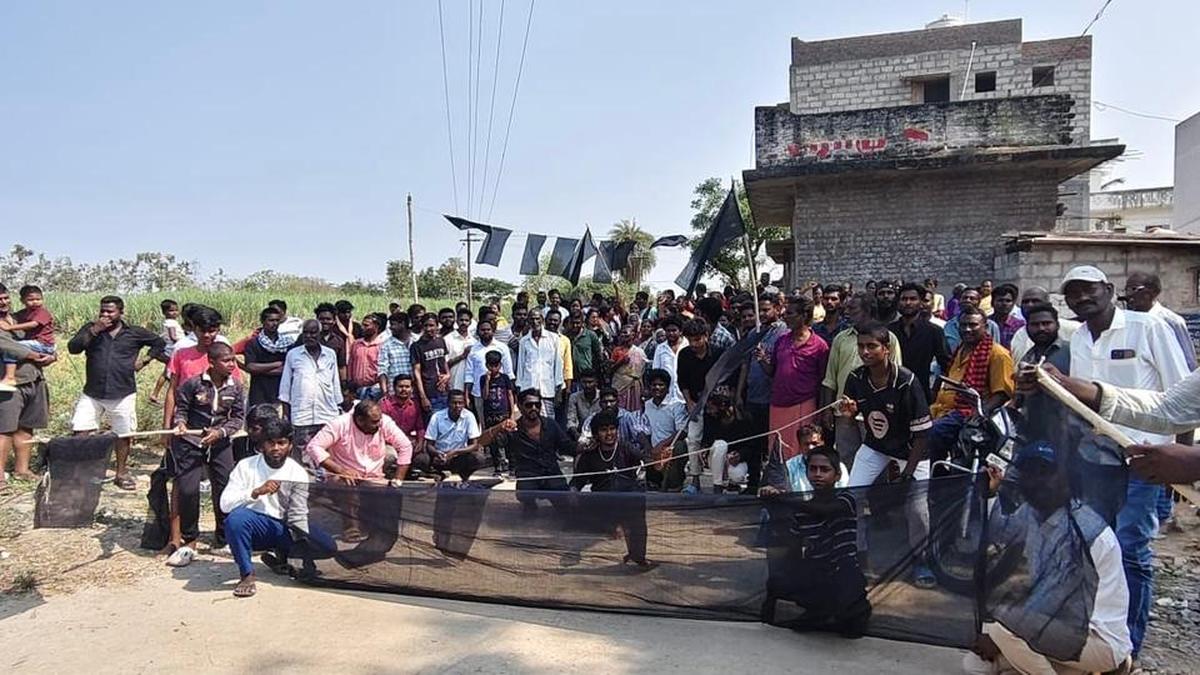
Residents living in a colony near Katpadi decided to boycott the recent elections to protest against local government neglect. The community was upset because their usual polling booth was moved to a new location that is much further away from their homes. In addition to the travel issues, the residents are angry about a long-term lack of basic services like proper roads and clean water. By refusing to vote, they hope to force officials to finally address these long-standing problems.
Main Impact
The decision to skip the election has a major impact on the local democratic process. When a large group of people refuses to vote, it can change the final results for the candidates in that area. This boycott serves as a public show of anger and a loss of trust in local leaders. It highlights a gap between what the government provides and what the people actually need to live safely and comfortably. This move has forced election officials and local leaders to take notice of the community's poor living conditions.
Key Details
What Happened
On the day of the election, the streets in the colony were unusually quiet. While other parts of the region saw people lining up to cast their ballots, this specific neighborhood chose to stay away. Residents gathered in small groups near their homes instead of heading to the voting center. They made it clear that their absence was not due to laziness, but was a planned protest against the way they have been treated by the local administration.
Important Numbers and Facts
The primary complaint centered on the relocation of the polling station. In previous years, the booth was located within a short walking distance for most families. This year, the station was moved several kilometers away. For many people in the area who do not own cars or motorcycles, this distance was a major obstacle. The community also pointed out that they have been asking for road repairs for over three years without any success. They claim that during the rainy season, their streets become almost impossible to use because of deep mud and poor drainage.
Background and Context
Katpadi is a busy area in the Vellore district, known for its major railway station and growing population. However, the smaller colonies on the outskirts often feel left behind. In many parts of the country, "No Road, No Vote" campaigns have become a common way for citizens to demand better infrastructure. These residents feel that politicians only visit their neighborhood when they want votes, but disappear once the election is over. The relocation of the polling booth was the final straw for a community that already felt ignored. They believe that if the government cannot even provide a nearby place to vote, it shows a lack of respect for their time and their rights.
Public or Industry Reaction
When news of the boycott spread, local election officials and police officers rushed to the colony. They tried to talk to the community leaders and convince them to change their minds. The officials promised that the roads would be fixed and that the water issues would be looked into immediately after the election. However, the residents remained firm in their decision. They told the officials that they had heard the same promises many times before and no longer believed them. Local activists have supported the residents, stating that the government must do more than just make verbal promises during election season.
What This Means Going Forward
This event will likely lead to a review of how polling booths are assigned in the future. The Election Commission usually tries to keep voting centers close to where people live to ensure a high turnout. If a booth is moved too far away, it can be seen as a way of making it harder for people to vote. Moving forward, local leaders will be under pressure to start construction on the promised roads and improve the water supply. If these changes do not happen soon, the residents may continue their protests during future local and state elections, which could cause even more problems for the political parties in power.
Final Take
The boycott near Katpadi is a clear reminder that voting is a two-way street. For a democracy to work well, the government must provide the basic services that people need to live their lives. When a community feels that their basic needs are being ignored, they may choose to stop participating in the system altogether. Fixing the roads and making it easy for people to vote are simple steps that could have prevented this situation. Now, the focus will be on whether the local government keeps its word and finally brings the needed improvements to this colony.
Frequently Asked Questions
Why did the residents refuse to vote?
They boycotted the polls because their voting booth was moved too far away and because the government has failed to provide basic needs like good roads and clean water.
Where exactly did this boycott take place?
The protest happened in a residential colony located near Katpadi in the Vellore district.
Did the government try to stop the boycott?
Yes, election officials and police visited the residents to promise improvements and ask them to vote, but the residents did not believe the promises and stayed home.



