
Summary
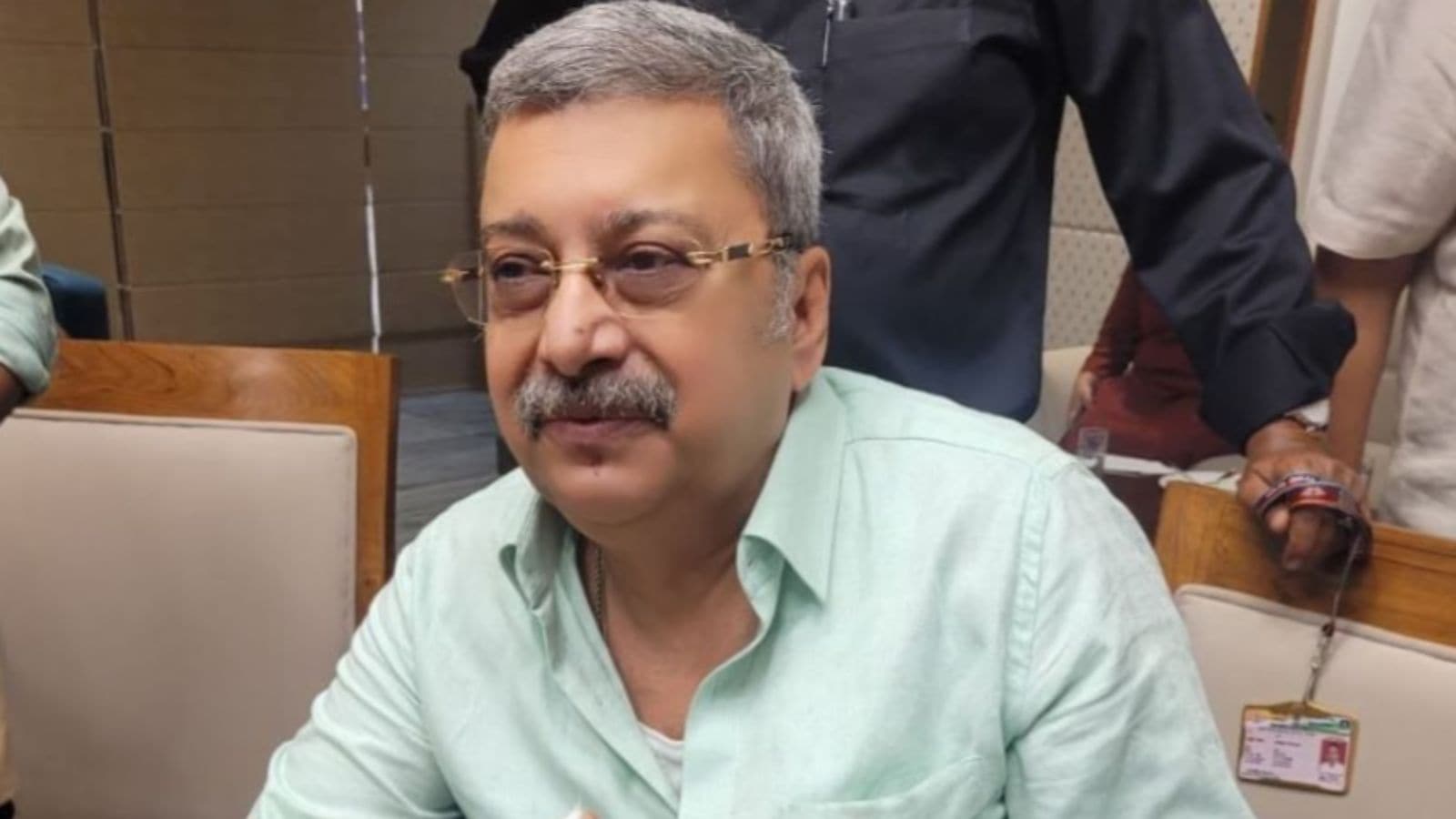
Senior Trinamool Congress (TMC) leader and lawyer Kalyan Banerjee has filed a legal challenge in the Calcutta High Court against the Election Commission of India. The petition questions the recent large-scale transfers of government and police officials across West Bengal. Banerjee argues that these sudden changes are hurting the state's ability to function and are causing problems for the general public. This legal move highlights a growing tension between the state government and the national election body during the election season.
Main Impact
The primary impact of this legal action is a major disagreement over how much power the Election Commission should have during an election. By taking this matter to court, the TMC is challenging the standard practice of moving officials to ensure fairness. If the court decides to limit these transfers, it could change how elections are managed across the entire country. For now, the move has created a sense of uncertainty within the state administration, as many top-level officers do not know if they will remain in their current roles.
Key Details
What Happened
Kalyan Banerjee moved the Calcutta High Court to stop what he calls "arbitrary" transfers of state officials. He believes the Election Commission is moving people without giving clear reasons or showing that these officers were doing anything wrong. The petition claims that when a District Magistrate or a Superintendent of Police is moved suddenly, the local government loses its rhythm. This makes it harder for the state to handle daily tasks that have nothing to do with the election, such as health services or infrastructure projects.
Important Numbers and Facts
The Election Commission has ordered the transfer of several high-ranking officials in West Bengal over the past few weeks. This includes the removal of the Director General of Police (DGP) and several District Magistrates. In many cases, new officers are appointed only to be moved again shortly after. The TMC argues that these changes affect the leadership of dozens of administrative zones. The legal challenge focuses on the fact that these transfers are happening under the Model Code of Conduct, which gives the Commission broad powers once election dates are announced.
Background and Context
In India, the Election Commission of India (ECI) is responsible for making sure that elections are free and fair. One way they do this is by transferring officials who have been in one position for more than three years or those who are suspected of being too close to the ruling political party. The goal is to prevent the government in power from using state resources or the police to influence voters. However, in West Bengal, the ruling TMC party feels that the Commission is being too aggressive. They argue that while fairness is important, the state must still be able to provide services to its citizens without constant disruption.
Public or Industry Reaction
The reaction to this legal move has been divided. Members of the Trinamool Congress have praised Kalyan Banerjee for standing up for the state's rights. they believe the Election Commission is overstepping its boundaries and acting like a parallel government. On the other side, opposition parties like the Bharatiya Janata Party (BJP) have supported the transfers. They claim that the state administration is biased and that the Election Commission must step in to ensure a level playing field. Legal experts are also watching the case closely, as it touches on the constitutional balance of power between the central election body and state governments.
What This Means Going Forward
The outcome of this case in the Calcutta High Court will be very important for future elections. If the court agrees with Banerjee, the Election Commission might have to follow stricter rules before they can move state officials. This could lead to more stability for government workers but might also make it harder to prevent political bias. If the court rejects the petition, the Commission will continue to have full control over state staff during election periods. In the short term, the state of West Bengal will have to manage the confusion caused by these frequent leadership changes while preparing for the upcoming polls.
Final Take
The fight over official transfers is more than just a legal disagreement; it is a debate about how democracy should function. While it is vital to have fair elections, it is also vital for a state to have a stable government that can serve its people. Finding the right balance between these two needs is a difficult task. The decision by the Calcutta High Court will likely provide much-needed clarity on where the Election Commission's power ends and where a state government's rights begin.
Frequently Asked Questions
Why is Kalyan Banerjee challenging the Election Commission?
He believes that the large-scale transfer of officials is unnecessary and is making it difficult for the West Bengal government to do its daily work for the public.
What power does the Election Commission have during elections?
Under the Model Code of Conduct, the Commission can transfer police and administrative officers to ensure that no political party has an unfair advantage during the voting process.
How do these transfers affect the state administration?
Transfers can cause confusion because new officers need time to understand their districts. This can slow down government projects and affect how local laws are enforced during the transition period.



