
Summary
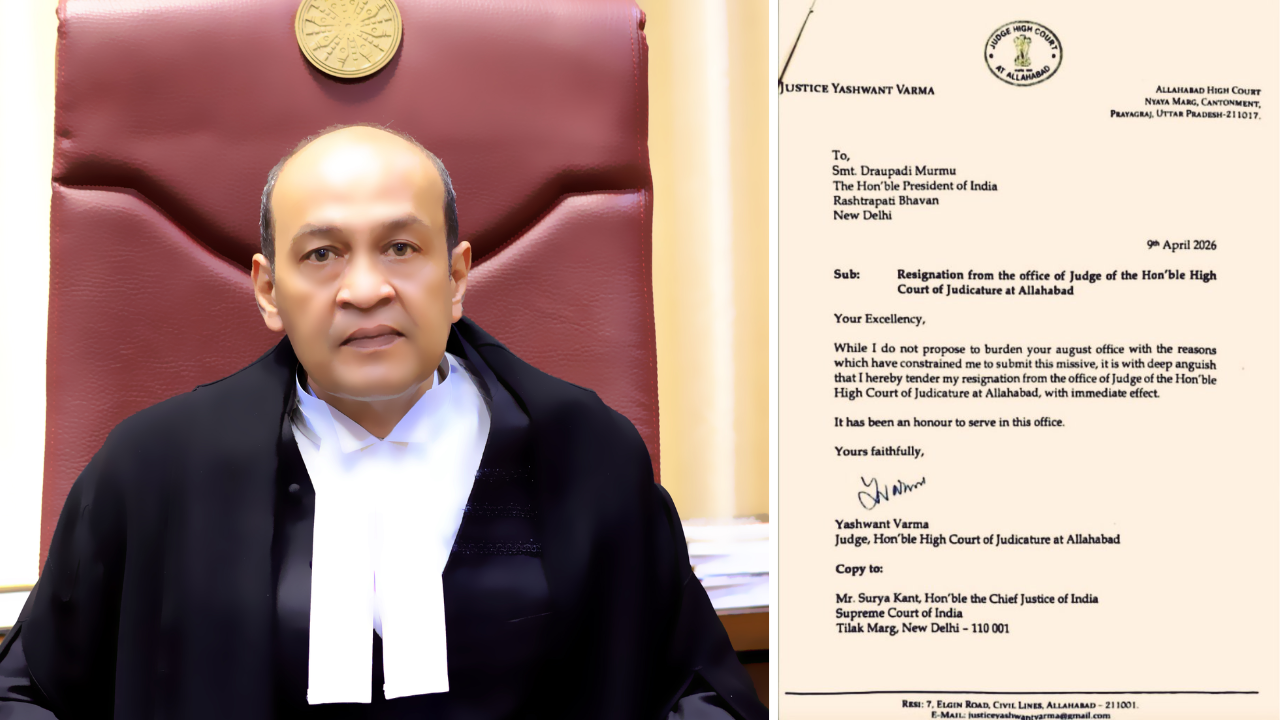
Justice Yashwant Varma has officially resigned from his position at the Allahabad High Court. In a letter sent to President Droupadi Murmu, he stated that he was leaving his post with a sense of deep pain and sadness. This sudden move comes after a series of serious allegations and a formal investigation into his conduct. His resignation ends his time on the bench immediately, following a major controversy involving money found at his home and a legal process aimed at removing him from office.
Main Impact
The resignation of a High Court judge is a rare and serious event in the Indian legal system. By stepping down, Justice Varma has avoided the completion of a formal impeachment process, which is the only way the government can fire a judge. This development has a major impact on the reputation of the judiciary, as it brings public attention to issues of honesty and accountability among high-ranking officials. It also shows that the Supreme Court is willing to take strong action when it finds evidence of wrongdoing within its own ranks.
Key Details
What Happened
Justice Yashwant Varma decided to quit his job after facing intense pressure from legal authorities. He sent a formal letter to the President of India to make his departure official. In the letter, he used the phrase "deep anguish" to describe how he felt about the situation. This choice of words suggests he was very upset by the events that led to his resignation. His departure was effective immediately, meaning he stopped all his work at the court as soon as the letter was sent.
Important Numbers and Facts
The trouble for Justice Varma began when a large amount of cash was recovered from his private residence. Following this discovery, the Supreme Court of India set up a special inquiry to look into the matter. The inquiry team reviewed the evidence and recommended that further action be taken against him. This led to the start of an impeachment process in Parliament. Impeachment is a very difficult and long legal process used to remove a judge for bad behavior. Rather than waiting for the process to finish, Justice Varma chose to resign on his own.
Background and Context
The Allahabad High Court is one of the oldest and most important courts in India. It handles a massive number of cases and has a large number of judges. Because of its size and history, any scandal involving its members is seen as a very big deal. In India, judges are expected to live by very high moral standards. They are the people who decide what is fair and right, so the public must be able to trust them completely.
When a judge is accused of having unexplained money, it creates a crisis of trust. The Supreme Court has a special "in-house" system to check on these types of complaints. If they find that a judge has done something wrong, they can ask the Chief Justice of India to take action. In this case, the evidence was strong enough that the highest court in the country felt it was necessary to move toward removing Justice Varma from his position.
Public or Industry Reaction
The legal community has reacted with a mix of shock and concern. Many lawyers believe that the resignation was the only way to prevent further damage to the court's image. Some legal experts have pointed out that while the resignation stops the impeachment, it does not necessarily stop other investigations. There are calls from the public for more information about where the recovered cash came from and how it was discovered. People want to know that the law applies to everyone, including those who sit on the judge's bench.
What This Means Going Forward
Now that Justice Varma has resigned, the seat he held at the Allahabad High Court is vacant. The government and the judiciary will need to find a replacement. However, the story might not end here. Law enforcement agencies may still look into the source of the cash found at his home. If they find evidence of a crime, he could face further legal trouble even though he is no longer a judge. This case might also lead to new rules about how the assets and money of judges are tracked to make sure everything is transparent and honest.
Final Take
This resignation is a clear sign that the Indian judicial system has ways to police itself, even at the highest levels. While the loss of a judge under these circumstances is unfortunate, it highlights the importance of keeping the courts clean. The use of the words "deep anguish" shows the personal toll of the controversy, but the focus remains on the need for judges to stay above suspicion. Moving forward, the focus will be on restoring public trust in the legal process.
Frequently Asked Questions
Why did Justice Yashwant Varma resign?
He resigned following a controversy where a large amount of cash was found at his home. He was also facing an impeachment process and a negative report from a Supreme Court inquiry.
What does "deep anguish" mean in this context?
It means the judge felt a great deal of mental pain, distress, or sadness about the situation and the events that led to his decision to leave the court.
Can a judge be investigated after they resign?
Yes. While resignation stops the impeachment process (which is only for removing someone from office), it does not protect a person from criminal investigations by the police or other agencies if a law was broken.



