
Summary
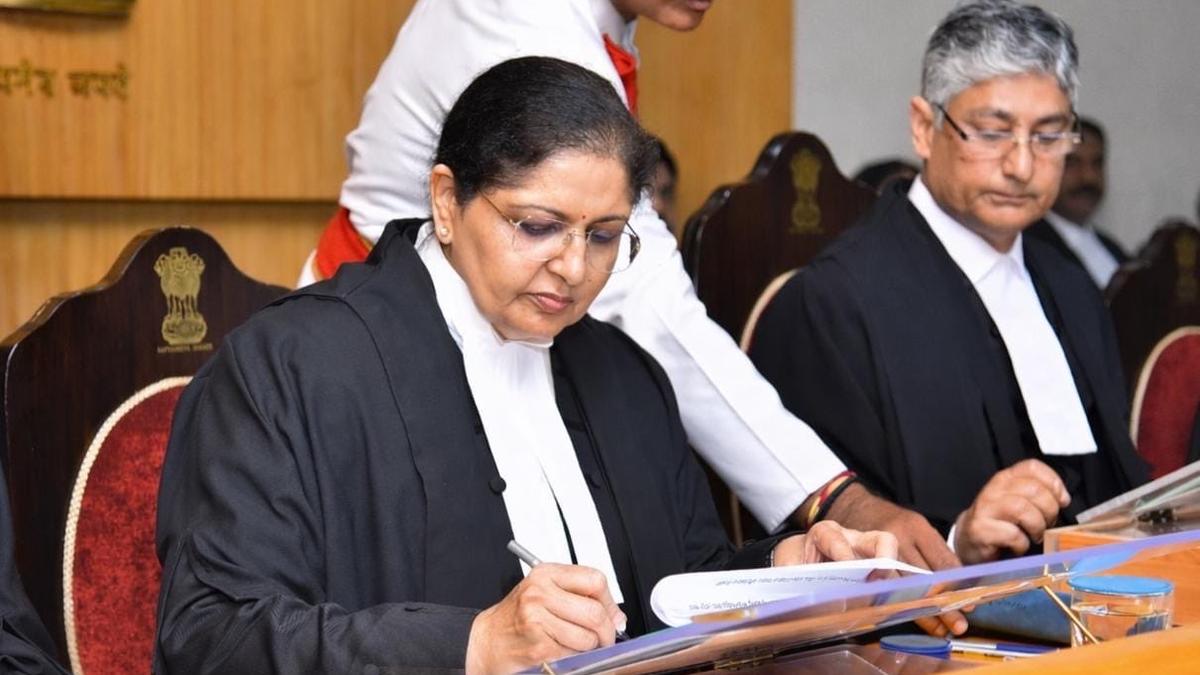
Justice Lisa Gill has officially started her new role as a judge at the Andhra Pradesh High Court. She was previously serving as a judge at the Punjab and Haryana High Court before this move. This transfer is part of the standard legal process used to manage judicial positions across different states in India. Her arrival is expected to support the court in handling its daily legal tasks and case hearings.
Main Impact
The main impact of this transfer is the addition of an experienced legal professional to the Andhra Pradesh High Court. When a judge moves from one state to another, they bring a fresh perspective and different experiences to their new court. This helps the judicial system stay balanced and ensures that expertise is shared between different regions. For the people of Andhra Pradesh, this means another senior judge is available to hear cases, which can help speed up the legal process.
Key Details
What Happened
Justice Lisa Gill was transferred following a formal recommendation and approval process. In India, the movement of judges between High Courts is a high-level administrative action. After the recommendation was made, the President of India issued the official order for her transfer. Upon arriving in Andhra Pradesh, she took her oath of office, which is the formal way a judge begins their duties in a new court. This ceremony is usually attended by other judges and senior legal officials.
Important Numbers and Facts
Justice Lisa Gill has a long history in the legal field. She was first appointed as an additional judge of the Punjab and Haryana High Court on March 31, 2014. After showing her capability in that role, she became a permanent judge on December 19, 2015. Her move to the Andhra Pradesh High Court follows several years of service in her previous post. The Punjab and Haryana High Court is unique because it serves two states and a union territory, making it one of the busiest courts in the country. Her experience there will be very helpful in her new position.
Background and Context
To understand why this move matters, it is helpful to know how the court system works in India. The country has many High Courts, and each one handles legal matters for its specific state. Sometimes, the government and the senior leaders of the judiciary decide to move a judge from one court to another. This is done under Article 222 of the Indian Constitution. The goal is not just to fill empty seats, but also to ensure that the courts have a mix of judges from different backgrounds.
The process of moving a judge involves the Supreme Court Collegium. This is a group made up of the Chief Justice of India and the most senior judges of the Supreme Court. They look at the needs of various courts and decide where a judge’s skills would be most useful. Once they make a choice, they send the suggestion to the Union Ministry of Law and Justice, and finally, the President gives the final approval.
Public or Industry Reaction
The legal community in Andhra Pradesh has shown a positive response to the news. Lawyers and members of the Bar Association often welcome new judges as it represents a continuation of the court's strength. In the legal profession, a transfer is seen as a routine but important event. It allows the local legal community to interact with a judge who has experience with the laws and practices of a different part of the country. This exchange of knowledge is generally seen as a good thing for the growth of the legal system.
What This Means Going Forward
Now that Justice Lisa Gill has assumed her charge, she will begin presiding over a variety of legal cases. These could range from civil disputes between individuals to criminal appeals and constitutional matters. Her presence will help the Andhra Pradesh High Court manage its workload more effectively. As the court deals with thousands of pending cases, having a full bench of judges is vital for providing timely justice to the public.
In the coming months, she will become a regular part of the judicial panels in the state. Her rulings will contribute to the legal history of Andhra Pradesh. For the court staff and local lawyers, the next few weeks will be a time of adjustment as they get used to the working style of the new judge. This is a normal part of the transition when any high-ranking official moves to a new office.
Final Take
The arrival of Justice Lisa Gill at the Andhra Pradesh High Court is a significant step in maintaining the court's ability to serve the public. By bringing her years of experience from the Punjab and Haryana High Court, she adds valuable knowledge to the local bench. This transfer highlights how the Indian judicial system works as a single, connected unit to ensure that every state has the legal expertise it needs to function well.
Frequently Asked Questions
Who is Justice Lisa Gill?
Justice Lisa Gill is a senior judge who recently moved to the Andhra Pradesh High Court. She previously served as a judge at the Punjab and Haryana High Court for several years.
How are High Court judges transferred in India?
Judges are transferred based on recommendations from the Supreme Court Collegium. The President of India then signs an official order to make the transfer final under the rules of the Constitution.
Why do judges move from one state to another?
Judges are moved to help balance the workload of different courts, share legal expertise across the country, and maintain the national character of the Indian judiciary.

