
Summary
Jawaharlal Nehru University (JNU) is currently facing a period of high tension between its students and the school administration. Students are protesting against a new set of strict rules and controversial comments made by the Vice-Chancellor regarding caste and affirmative action. The university has responded by issuing heavy fines, suspending student leaders, and involving the police. This situation marks a major moment in the long-standing struggle over the right to protest and express disagreement on campus.
Main Impact
The primary impact of this conflict is a significant change in how the university manages student life and political activity. New rules, known as the CPO Manual, have made it much harder for students to organize gatherings or voice their concerns. By using high fines and the threat of being kicked out of hostels, the administration has created an environment where many students feel they are under constant watch. This has led to a breakdown in communication between the student body and the university leaders.
Key Details
What Happened
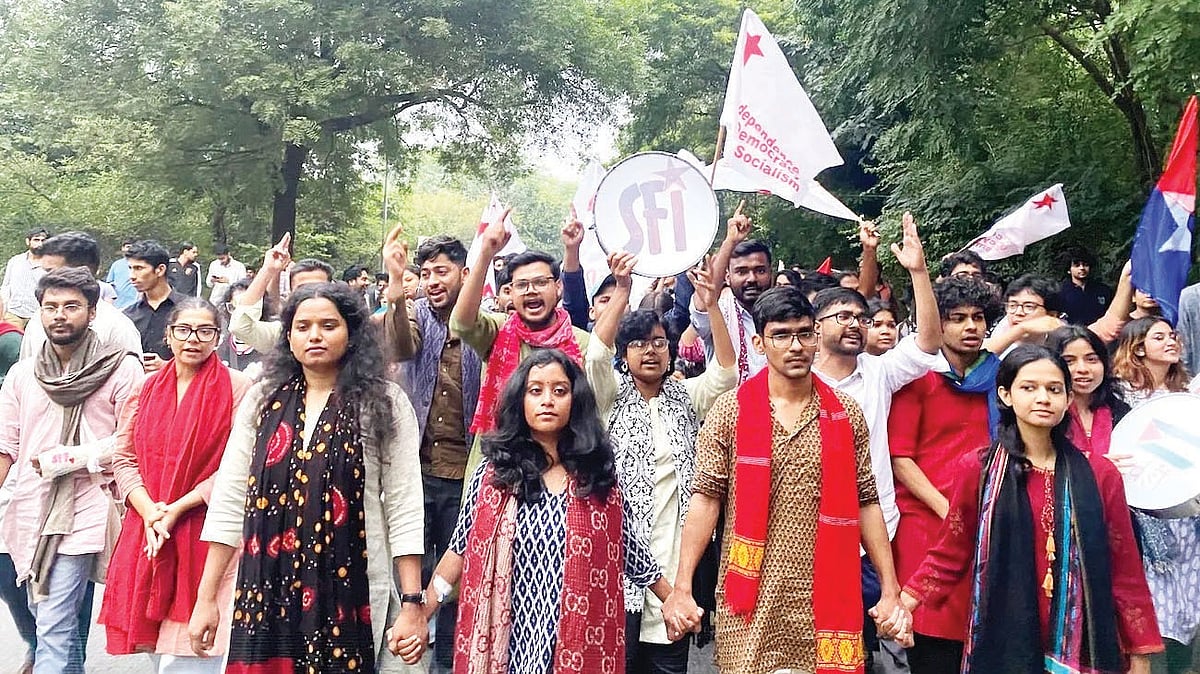
In late February 2026, the campus saw a series of protests and strikes. The unrest was sparked by a podcast where Vice-Chancellor Santishree Dhulipadi Pandit made remarks about Dalit students, accusing them of "playing the victim card." In response, students organized an "equality march" to show their anger. On February 22, security guards began strictly enforcing rules, telling visitors and media to leave the campus. That night, clashes broke out between different student groups, leading the university to file police reports for rioting and conspiracy.
Important Numbers and Facts
The university has used financial penalties to punish those involved in protests. Five student union leaders were fined 20,000 rupees each for their role in a protest against new facial recognition cameras. Eight other students were fined 19,000 rupees simply for clapping and shouting slogans during the event. The new 15-page manual also bans hunger strikes and sit-ins. If students break these rules, they can be banned from the campus for two semesters or lose their place in the university hostels.
Background and Context
JNU has a long history of being a place where students are very active in politics. However, students say that since 2016, the university has been trying to change this culture. Over the last few years, the school has changed how it hires teachers and how students enter the university. They also removed a special committee that handled sexual harassment cases and replaced it with a different body. Students feel that their power to help run the university has been slowly taken away, and the new rules are the final step in stopping them from speaking out.
Public or Industry Reaction
The student union is leading the fight against these changes. They argue that a strong union is necessary to keep those in power honest. They believe the administration is using the new manual as a weapon to crush any form of dissent. On the other side, the Vice-Chancellor has defended the rules. She claims that the manual is not new and has existed in some form since 1969. She says the rules are needed to keep the university running smoothly and to prevent damage to school property.
What This Means Going Forward
The situation at JNU is likely to remain tense as both sides refuse to back down. The student union has a list of 15 demands, including the resignation of the Vice-Chancellor and the cancellation of all student suspensions. They are also pushing for a new law called the "Rohith Act" to protect students from unfair treatment based on their caste. If the administration continues to use police cases and fines, it could lead to more legal battles in the courts. The outcome of this struggle will decide if JNU remains a place for open debate or becomes a more controlled environment.
Final Take
The current events at JNU show a deep divide between the people who run the university and the people who study there. While the administration wants order and strict following of rules, the students want to keep their right to question authority. This is not just a fight about fines or cameras; it is a fight about the soul of one of India’s most famous educational institutions. How this ends will set an example for other universities across the country.
Frequently Asked Questions
What is the CPO Manual?
The CPO Manual is a 15-page document created by the Chief Proctor’s Office. It lists rules for student behavior and sets punishments, like fines and suspensions, for things like hunger strikes and protesting near campus buildings.
Why are students being fined for clapping?
The university administration claimed that students who clapped and raised slogans during a protest were supporting the "vandalism" of school property. Because of this, they were given fines of 19,000 rupees each.
What is the Rohith Act?
The Rohith Act is a proposed law that students want the university to adopt. It is named after a student who died due to systemic pressure, and it aims to prevent discrimination and harassment against students from Dalit and other minority backgrounds.

