
Summary
The Jammu and Kashmir administration has officially turned down a request from the Central Bureau of Investigation (CBI) to prosecute a senior IAS officer. This officer was allegedly involved in a long-running scandal regarding the illegal issuance of gun licenses. By denying this permission, the government has effectively blocked the federal agency from taking the officer to court. This decision is a significant development in a case that has been under investigation for several years and involves thousands of suspicious permits.
Main Impact
The refusal to grant a "prosecution sanction" creates a major hurdle for federal investigators. In India, the law requires the government to give formal permission before a high-ranking public servant can be tried in court for actions taken during their official work. Without this approval, the CBI cannot move forward with criminal charges against this specific individual. This move may slow down the overall push for accountability in one of the region's largest corruption cases and could influence how other similar cases are handled in the future.
Key Details
What Happened
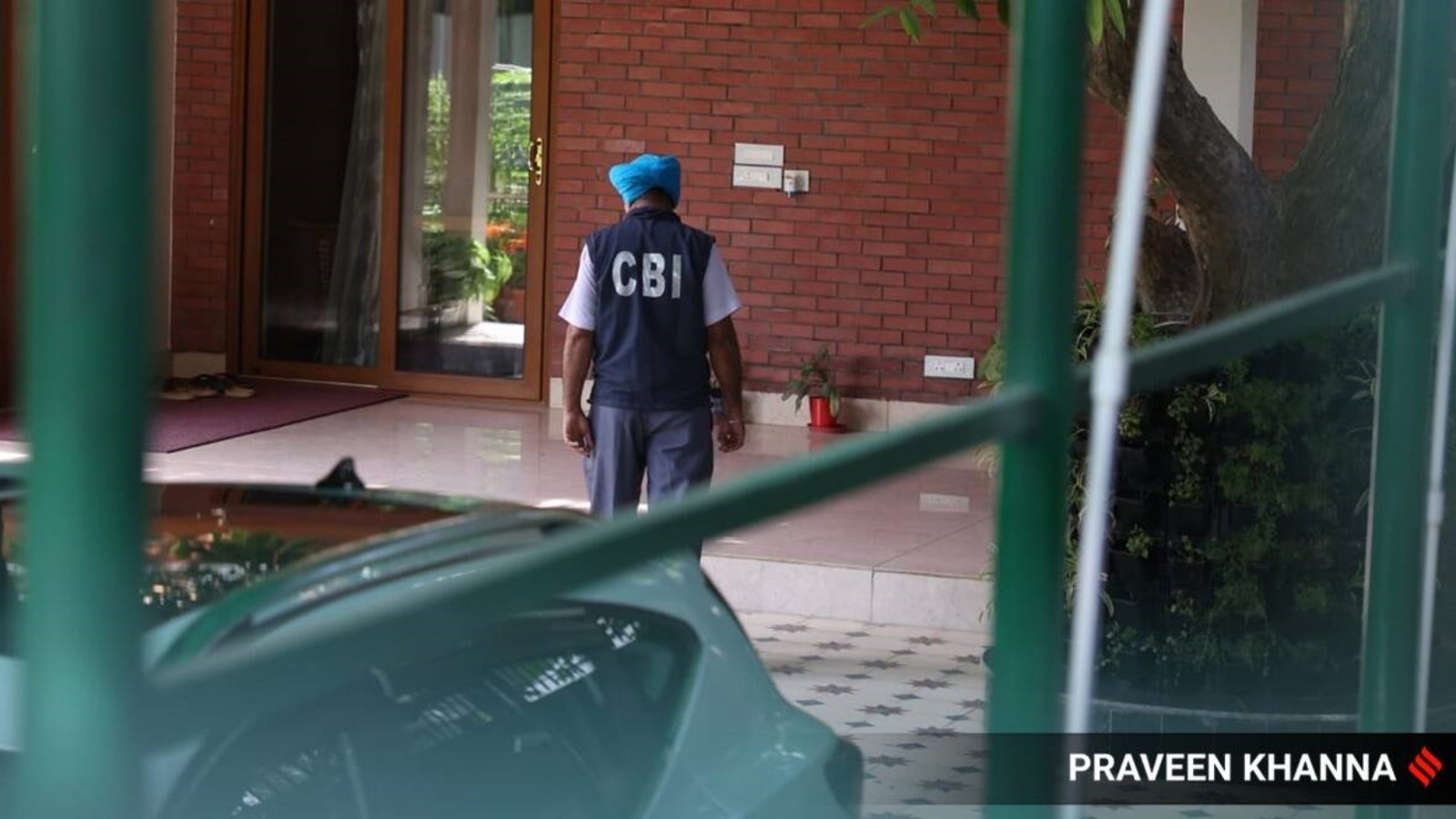
The CBI has been looking into a massive scam where gun licenses were reportedly sold for money rather than issued based on proper security checks. During their investigation, the agency identified several high-ranking officials who they believe played a role in the scheme. To start a trial, the CBI submitted a detailed report to the Jammu and Kashmir government, asking for the legal green light to prosecute a senior member of the Indian Administrative Service (IAS). However, after reviewing the file, the local administration decided not to grant that permission, citing a lack of sufficient grounds to proceed.
Important Numbers and Facts
The scale of this case is quite large. Investigators found that more than 270,000 gun licenses were issued between 2012 and 2016. Many of these licenses were given to people who did not actually live in Jammu and Kashmir. Reports suggest that officials and middlemen worked together to bypass standard rules. The CBI took over the case in 2018 after several local police reports pointed toward a deep-rooted network of bribery. So far, dozens of locations have been searched, and multiple individuals have been questioned, but the legal process against top-tier officials remains difficult due to these administrative requirements.
Background and Context
This case matters because it involves national security and the rule of law. A gun license is a serious document that allows a person to carry a weapon. Usually, getting one requires strict background checks by the police to ensure the person is responsible. In this scam, it is alleged that these checks were ignored. Instead, licenses were issued in bulk to people across different parts of India using fake addresses in Jammu and Kashmir. This allowed thousands of people to get weapons without the proper oversight, which creates a safety risk for the entire country.
The investigation covers several districts, including Kupwara, Baramulla, and Udhampur. The CBI believes that some officials accepted bribes to sign off on these licenses quickly. Because the people involved are high-level government employees, they are protected by specific laws that prevent them from being sued or prosecuted without the government's consent. This law is meant to protect honest officers from being harassed, but critics often argue it is used to shield people from answering for actual crimes.
Public or Industry Reaction
The decision has sparked a mix of reactions. Legal experts are divided on the issue. Some say the government is right to protect its officers unless there is undeniable proof of wrongdoing. They argue that making it too easy to sue officials would make them afraid to do their jobs. On the other hand, transparency advocates and opposition leaders have criticized the move. They believe that denying the CBI's request sends the wrong message and suggests that powerful people are above the law. Many people who have followed the case for years feel that the victims of this corruption are the citizens whose safety was put at risk by the illegal sale of weapons permits.
What This Means Going Forward
The CBI now faces a difficult choice. They can try to provide more evidence to the government to ask for a reconsideration, or they can focus their efforts on other individuals involved in the scam who do not require the same level of legal protection. This decision might also affect other pending requests for prosecution against different officers in the same case. If the government continues to deny these requests, the CBI may find it nearly impossible to hold the top leadership accountable for the scandal. In the long term, this could lead to calls for changes in the law regarding how and when government officials can be prosecuted for corruption.
Final Take
The refusal to allow the prosecution of a senior IAS officer is a reminder of how difficult it is to fight corruption at high levels of government. While the law provides protections to ensure officials can work without fear, those same protections can sometimes block the path to justice. For a case as large as the arms license scam, the lack of a trial for key figures leaves many questions unanswered. True accountability requires a system where evidence is tested in court, regardless of the rank of the person involved.
Frequently Asked Questions
Why does the CBI need permission to prosecute an officer?
Under Indian law, specifically Section 197 of the Code of Criminal Procedure, the government must give formal consent before a public servant can be prosecuted for actions performed as part of their official duties. This is intended to prevent frivolous or malicious lawsuits against government workers.
What exactly is the arms license scam?
It is a corruption case where officials in Jammu and Kashmir allegedly issued over 2.7 lakh gun licenses illegally between 2012 and 2016. It is claimed that they took bribes to give permits to non-residents using fake documents and skipped mandatory security checks.
Can the CBI still investigate the officer?
Yes, the CBI can continue to investigate and gather evidence. However, they cannot start a formal trial in a court of law against the officer for those specific charges without the government's "sanction" or permission.



