
Summary
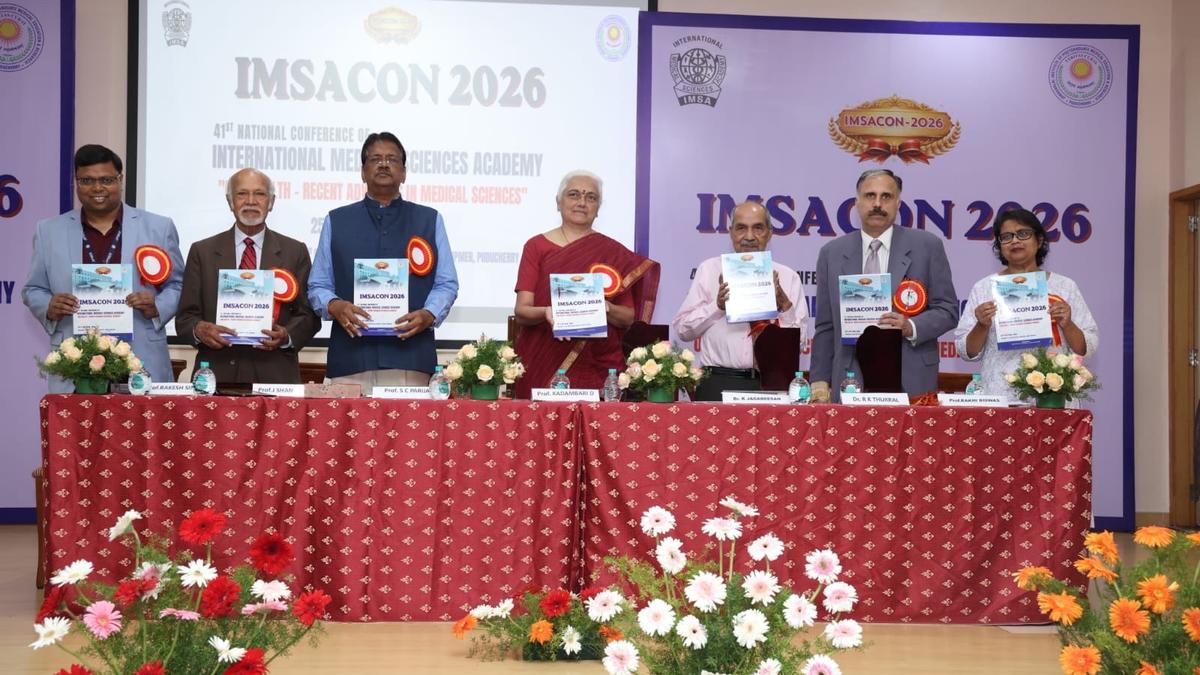
The Jawaharlal Institute of Postgraduate Medical Education and Research, commonly known as JIPMER, recently hosted a major conference focused on the latest progress in medical science. More than 4,000 people, including doctors, researchers, and students, gathered to discuss new ways to treat diseases and improve patient care. This event highlights the importance of sharing knowledge to keep up with the fast-moving world of healthcare and technology.
Main Impact
The primary impact of this gathering is the improvement of medical treatment for everyday people. When thousands of medical experts share their findings, it leads to better hospital practices and more accurate ways to find and treat illnesses. By bringing together so many professionals, the conference helps spread new ideas from top-tier research labs directly to the doctors who work in clinics and hospitals. This ensures that patients receive care based on the most recent scientific evidence available.
Key Details
What Happened
During the event, participants took part in various sessions, including workshops and lectures. These sessions covered a wide range of topics, such as new surgical methods, the use of computers in diagnosing diseases, and better ways to manage public health. Experts from different parts of the country and abroad shared their experiences with new medical tools and medicines. The event also gave young medical students a chance to present their own research and get feedback from senior professionals in the field.
Important Numbers and Facts
The scale of the event was significant, with over 4,000 delegates in attendance. This makes it one of the larger medical gatherings held by the institute in recent years. The conference featured hundreds of research papers and posters, showcasing original studies conducted by doctors and scientists. Many of these studies focused on common health issues in India, looking for ways to make treatment more effective and less expensive for the general public.
Background and Context
JIPMER is one of India’s leading medical institutions, known for both its high-quality patient care and its focus on teaching and research. In the medical world, things change very quickly. New drugs are developed, and new technologies are invented every year. For doctors to do their jobs well, they must continue learning long after they finish school. Large conferences like this one are the main way the medical community stays updated. They provide a space where people can talk face-to-face about what works and what does not work in modern medicine.
Public or Industry Reaction
The medical community has reacted very positively to the event. Many attendees noted that the chance to talk with experts from different specialties was the most valuable part of the experience. Industry leaders also praised the focus on practical solutions that can be used in real hospitals. There is a general feeling of excitement about how new technology, like artificial intelligence, can help doctors make fewer mistakes and save more lives. Educators also pointed out that such events are vital for inspiring the next generation of healthcare workers.
What This Means Going Forward
Looking ahead, the ideas discussed at this conference will likely lead to changes in how some diseases are managed. Hospitals may start using the new techniques or tools that were showcased. For the students who attended, the knowledge they gained will shape how they practice medicine in the future. There is also a push to hold more of these meetings to ensure that medical progress does not slow down. The focus will likely remain on making high-tech medical care available to everyone, not just those who can afford expensive treatments.
Final Take
This massive gathering at JIPMER serves as a reminder that medicine is a team effort. It is not just about one doctor or one hospital, but about a global community working together to solve health problems. By hosting over 4,000 delegates, JIPMER has helped strengthen the ties between research and daily medical practice. As these experts return to their own hospitals and clinics, the lessons they learned will help improve the lives of countless patients across the country.
Frequently Asked Questions
Why are medical conferences important for patients?
These events allow doctors to learn about the newest and safest ways to treat illnesses. When doctors stay updated, patients get better care and have a higher chance of recovery.
Who attended the JIPMER conference?
The event was attended by more than 4,000 people, including experienced doctors, medical researchers, and students who are training to become the healthcare workers of the future.
What topics were discussed at the event?
The discussions focused on recent advances in medical science, including new types of surgery, the use of technology in healthcare, and better ways to prevent and treat common diseases.



