
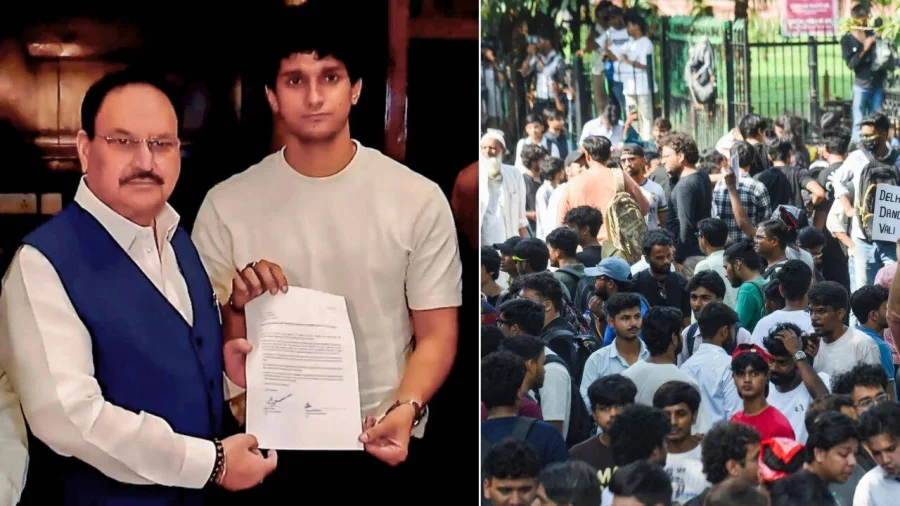
The ongoing protest by the Confederation of Jharkhand Professionals (CJP) at Jantar Mantar has hit a critical impasse, with talks between the group and the Centre remaining deadlocked. As the standoff continues, the Supreme Court is preparing to hear pleas concerning alleged police brutality against protesters, adding a new layer of legal scrutiny to the unfolding events. The status of CJP leader Pradhan's exit from the protest remains unclear, deepening the uncertainty surrounding the movement.
Talks at a Standstill: No Breakthrough in Sight
Negotiations between the CJP and the Centre have failed to yield any progress, leaving the protest in a state of limbo. The deadlock suggests that the core demands of the protesters—likely related to employment, education, or regional rights—remain unmet. Without a compromise, the demonstration at Jantar Mantar is set to continue indefinitely, testing the resolve of both the protesters and the authorities.
Why This Deadlock Matters for the Protesters
For the hundreds of CJP members gathered at Jantar Mantar, the failed talks mean prolonged uncertainty. The protest, which began as a call for policy changes, now risks losing momentum if a resolution is not reached soon. The emotional toll on demonstrators, many of whom have traveled from Jharkhand, is significant. They face the dual challenge of sustaining their protest while dealing with the physical and financial strain of an extended stay in Delhi.
Timeline of the Jantar Mantar Protest
The CJP protest at Jantar Mantar has been ongoing for several weeks, drawing attention to issues faced by professionals from Jharkhand. The movement gained traction after allegations of police brutality surfaced, prompting the Supreme Court to take notice. The deadlock in talks marks the latest chapter in a protest that has seen both peaceful demonstrations and moments of tension with law enforcement.
Human Impact: The People Behind the Protest
At the heart of this deadlock are the protesters themselves—students, job seekers, and professionals who feel marginalized by current policies. Their presence at Jantar Mantar is a testament to their desperation for change. The lack of clarity on Pradhan's exit, a key leader, has added to the confusion, leaving many demonstrators unsure about the movement's future direction.
Supreme Court to Hear Police Brutality Pleas
The Supreme Court is set to take up pleas related to alleged police brutality during the Jantar Mantar protest. This development could shift the focus from the deadlocked talks to legal accountability. The court's intervention may provide a pathway for addressing grievances that the political negotiations have failed to resolve. The hearing is expected to examine evidence of excessive force and could lead to directives for the Delhi Police.
What the Deadlock Means for the Centre's Stance
The Centre's refusal to budge in talks signals a firm stance on the issues raised by the CJP. While the government has not publicly detailed its position, the deadlock suggests that it is unwilling to meet the protesters' demands. This could be a strategic move to wait out the protest, but it also risks escalating tensions if the Supreme Court's hearing brings unfavorable findings.
Confirmed Facts vs What Remains Unclear
What is confirmed: Talks between the CJP and the Centre are deadlocked, with no agreement reached. The Supreme Court will hear pleas on police brutality. What remains unclear: The specific demands of the CJP, the Centre's counter-offers, and the status of Pradhan's exit. Speculation about internal divisions within the protest leadership remains unverified.
Risks and Balanced View of the Protest
While the CJP's protest highlights genuine concerns, the deadlock carries risks for both sides. For the protesters, a prolonged stay at Jantar Mantar could lead to fatigue and dwindling public support. For the Centre, a heavy-handed response could invite legal and public backlash. The Supreme Court's involvement adds a layer of accountability, but it also risks politicizing the judiciary. Critics argue that the protest's lack of a clear exit strategy may undermine its effectiveness.
Wider Trend of Protests at Jantar Mantar
The Jantar Mantar protest is part of a broader pattern of demonstrations at this historic site in Delhi. From farmers to students, various groups have used this location to amplify their demands. The CJP's protest fits into this tradition of peaceful assembly, but the deadlock and police brutality allegations highlight the challenges of translating protest into policy change.
Practical Guidance for Protesters and Observers
For protesters at Jantar Mantar, staying informed about the Supreme Court hearing is crucial. Legal aid groups may offer support for those affected by alleged police brutality. For observers, following the court's proceedings will provide clarity on the next steps. The deadlock suggests that a resolution may only come through judicial intervention or a shift in the Centre's stance.
Future Outlook: What Could Happen Next
The immediate future hinges on the Supreme Court hearing. If the court finds evidence of police brutality, it could order a probe or compensation, potentially strengthening the protesters' position. Alternatively, the deadlock could force the CJP to reconsider its strategy, possibly leading to a scaled-down protest or a shift in demands. Without a breakthrough, the protest may continue for weeks, testing the endurance of all parties involved.
Our Take
The Jantar Mantar protest deadlock is a stark reminder of the gap between public demands and government response. While the CJP's grievances are rooted in real issues, the lack of a clear resolution path risks turning the protest into a symbolic standoff. The Supreme Court's involvement is a welcome check on executive power, but it cannot substitute for political will. This story matters because it reflects a broader crisis of dialogue in Indian democracy—where protests often become the only avenue for marginalized voices, yet remain stuck in a cycle of deadlock and delay.
Frequently Asked Questions
What is the Jantar Mantar protest about?
The Jantar Mantar protest is led by the Confederation of Jharkhand Professionals (CJP), demanding policy changes related to employment, education, or regional rights for professionals from Jharkhand. Talks with the Centre have deadlocked.
Why are talks between CJP and the Centre deadlocked?
Talks are deadlocked because the Centre has not agreed to the CJP's core demands. The specific sticking points have not been publicly disclosed, but the lack of compromise has stalled negotiations.
What is the Supreme Court's role in this protest?
The Supreme Court is set to hear pleas regarding alleged police brutality against protesters at Jantar Mantar. The court's intervention could lead to a probe or directives for law enforcement.
What is the status of CJP leader Pradhan's exit?
There is no clarity on Pradhan's exit from the protest. Reports suggest internal discussions, but no official confirmation has been made about his departure or continued leadership.



