
Summary
United States Vice President JD Vance has sent a clear and firm message to Iran as he travels to Pakistan for high-level peace talks. The Vice President warned the Iranian government not to attempt to trick or deceive American negotiators during the upcoming meetings. These discussions are part of a major effort to end several weeks of intense fighting in the Middle East. Vance stated that while the U.S. is ready to work honestly for peace, they will not tolerate being manipulated.
Main Impact
The primary impact of this development is a shift in how the United States is handling the current crisis in the Middle East. By sending the Vice President to lead these talks in Pakistan, the U.S. is showing that it views the situation as a top priority. The warning to Iran sets a serious tone before the meetings even begin. It tells the world that the U.S. is looking for real results rather than just empty promises. This move could either lead to a breakthrough in peace or increase the pressure on Iran if they do not cooperate.
Key Details
What Happened
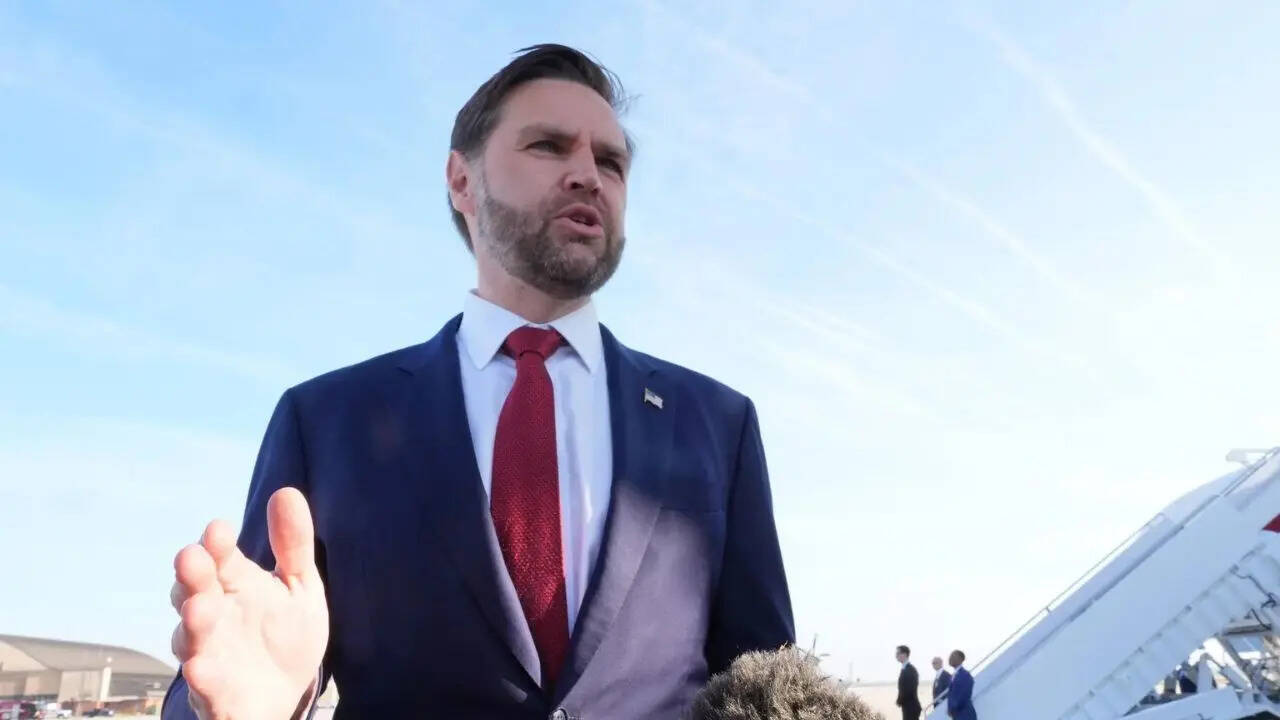
Vice President JD Vance spoke to reporters and officials just before his plane left for Pakistan. He was very direct about his goals for the trip. He explained that the U.S. negotiating team is prepared to offer an "open hand" to Iran. This means the U.S. is willing to be friendly and helpful if Iran shows they truly want to end the conflict. However, he balanced this offer with a stern warning: "Don't play us." This phrase was meant to show that the U.S. is aware of past tensions and will be watching Iran’s actions very closely during the talks.
Important Numbers and Facts
The conflict in the Middle East has been going on for several weeks, leading to a high level of concern across the globe. While specific casualty numbers change daily, the focus of these talks is to stop the violence immediately. The negotiations are taking place in Pakistan, which is acting as a neutral location for these sensitive discussions. This is one of the first major foreign policy missions for Vice President Vance since taking office, making it a significant moment for his political career and for U.S. foreign relations.
Background and Context
To understand why this matters, it is important to look at the relationship between the U.S. and Iran. For many years, these two countries have had a difficult time trusting each other. They often disagree on how the Middle East should be governed and how to keep the region safe. Recently, fighting has broken out that involves many different groups and countries. This violence has caused many people to lose their homes and has made the world economy unstable.
Pakistan was chosen as the site for these talks because it has a unique position. It maintains diplomatic ties with both Western countries and many nations in the Middle East. By meeting there, both sides hope to find a middle ground where they can talk without the immediate pressure of being in a war zone. The U.S. wants to ensure that the conflict does not spread to other countries, which could lead to a much larger and more dangerous war.
Public or Industry Reaction
The reaction to Vance’s comments has been mixed. Many political experts in the United States believe that taking a tough stance is the right move. They argue that Iran needs to know that the U.S. is serious about its demands. On the other hand, some international observers worry that such strong language might make the Iranian leaders less likely to cooperate. They fear that if Iran feels insulted, they might walk away from the table.
In the Middle East, many people are watching these talks with hope. They are tired of the fighting and want to see a return to normal life. Business leaders are also watching closely. The conflict has caused oil prices to go up and down, which affects the cost of goods all over the world. A successful peace deal would likely help stabilize the global economy and lower costs for everyday people.
What This Means Going Forward
The next few days will be critical. If the talks in Pakistan go well, we could see a ceasefire or a plan for long-term peace. This would involve both sides agreeing to stop the violence and start talking about how to fix the problems that started the war. However, if the U.S. feels that Iran is not being honest, the negotiations could fail quickly. If that happens, the U.S. might look at other ways to handle the situation, such as more economic sanctions or increased military support for its allies.
The world will be looking for signs of "good faith" from both sides. This means looking for actions that match their words. For Iran, this might mean stopping support for certain fighting groups. For the U.S., it might mean offering to lift some restrictions that have hurt the Iranian economy. The outcome of these talks will likely shape the safety of the Middle East for many years to come.
Final Take
Vice President JD Vance is taking a big risk by leading these talks with such a strong warning. By telling Iran "don't play us," he has made it clear that the U.S. will not accept anything less than total honesty. This approach shows a desire for peace, but only if that peace is real and lasting. The success of this mission depends on whether both sides can move past their history of distrust and work toward a common goal of stopping the violence.
Frequently Asked Questions
Why is JD Vance going to Pakistan?
He is going to Pakistan to lead peace talks aimed at ending the current conflict in the Middle East. Pakistan is serving as a neutral location for these important meetings.
What did Vance mean by "don't play us"?
He was warning Iran not to try to trick or deceive the U.S. negotiating team. He wants to make sure that any deal made is based on honesty and real actions rather than false promises.
What happens if the negotiations fail?
If the talks do not work, the conflict in the Middle East could continue or even get worse. The U.S. might also decide to use other methods, like economic pressure, to try to bring about a change in the region.

