
Summary
Farooq Abdullah, the leader of the National Conference, has once again called for Jammu and Kashmir to be made a full state. He pointed out that while there is now an elected government in place, it does not have the actual power it needs to help the people. Abdullah reminded the public that the central government and the courts had promised to return statehood after the elections. He also shared his concerns about rising prices, social divisions, and the safety of leaders in the region.
Main Impact
The main issue is the gap between having an elected government and having the authority to make decisions. Currently, Jammu and Kashmir is a Union Territory, which means the local government has limited control over many important matters. Abdullah argues that without full statehood, the elected leaders cannot effectively solve the daily problems of the citizens. This situation creates a sense of frustration among the public who voted with the hope of seeing real change and local empowerment.
Key Details
What Happened
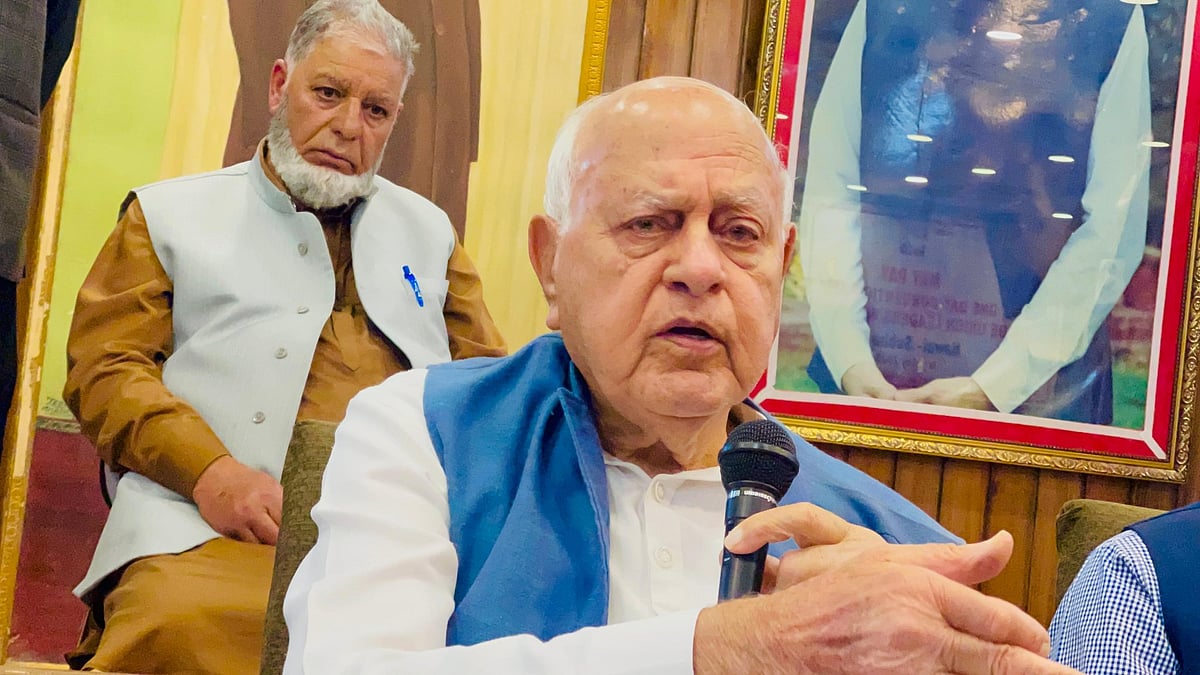
During a meeting with reporters, Farooq Abdullah expressed his disappointment over the delay in restoring statehood. He mentioned that the elections were held under the assurance that the region would soon regain its status as a state. He questioned why this has not happened yet, despite promises made in the Indian Parliament and before the Supreme Court. He also addressed a recent security incident involving himself, calling for a serious investigation into whether there was a hidden plan behind the attack.
Important Numbers and Facts
Several key points were highlighted during his talk. First, he noted that it has been 34 years since Kashmiri Pandits were forced to leave their homes, and he stressed that it is time for them to return and live in peace with others. He also spoke about the global economy, mentioning that wars in places like Iran could cause oil and gas prices to skyrocket. This would hurt the middle class the most. Additionally, he touched on the legal side of things, mentioning the recent bail granted to separatist leader Shabir Shah as a moment to reflect on the country's future harmony.
Background and Context
In 2019, the central government changed the status of Jammu and Kashmir from a state to a Union Territory. This move took away its special status and changed how it was governed. For several years, there was no elected local government. Recently, elections were held, and a new government took office. However, because it is still a Union Territory, the Lieutenant Governor holds a lot of the power that usually belongs to a Chief Minister. This is why leaders like Abdullah are pushing for the return of statehood, so the people's representatives can have the final say in local matters.
Public or Industry Reaction
There are mixed feelings about the current safety and political situation. While the central government and the Lieutenant Governor often say that the situation in Jammu and Kashmir has improved significantly, Abdullah challenged this claim. He asked the authorities to check if the environment is truly safe for political leaders to move around with dignity. Within his own party, some members believe there are conspiracies against their leaders. Meanwhile, other political figures, like Mallikarjun Kharge, have linked the lack of statehood to the ongoing security issues in the region.
What This Means Going Forward
The push for statehood is likely to become a central theme in local politics over the coming months. If the central government does not act on its promise, it could lead to more protests or political tension. On the economic side, Abdullah’s warnings about global wars suggest that the local government needs to prepare for inflation. If oil prices rise, everything from food to transportation will become more expensive. Socially, there is a call for more effort to bring different religious communities together to stop the spread of hatred and ensure that everyone can live together peacefully.
Final Take
The demand for statehood is not just about a title; it is about the right of the people to be governed by those they elected. Farooq Abdullah’s message is clear: a government without power cannot serve its people. For Jammu and Kashmir to move forward, there must be a focus on restoring full authority to the local assembly, ensuring safety for all, and rebuilding the bonds between different communities that have been strained for decades.
Frequently Asked Questions
Why is Farooq Abdullah asking for statehood?
He believes the current elected government in Jammu and Kashmir does not have enough power to solve the people's problems because the region is still a Union Territory.
What did he say about the economy?
He warned that global conflicts, especially involving Iran, could lead to much higher prices for oil and gas, which would make life very difficult for the middle class.
What is his view on social harmony?
Abdullah expressed concern that hatred between different groups is growing and called for more efforts to promote friendship and love between people of all religions.

