
Summary
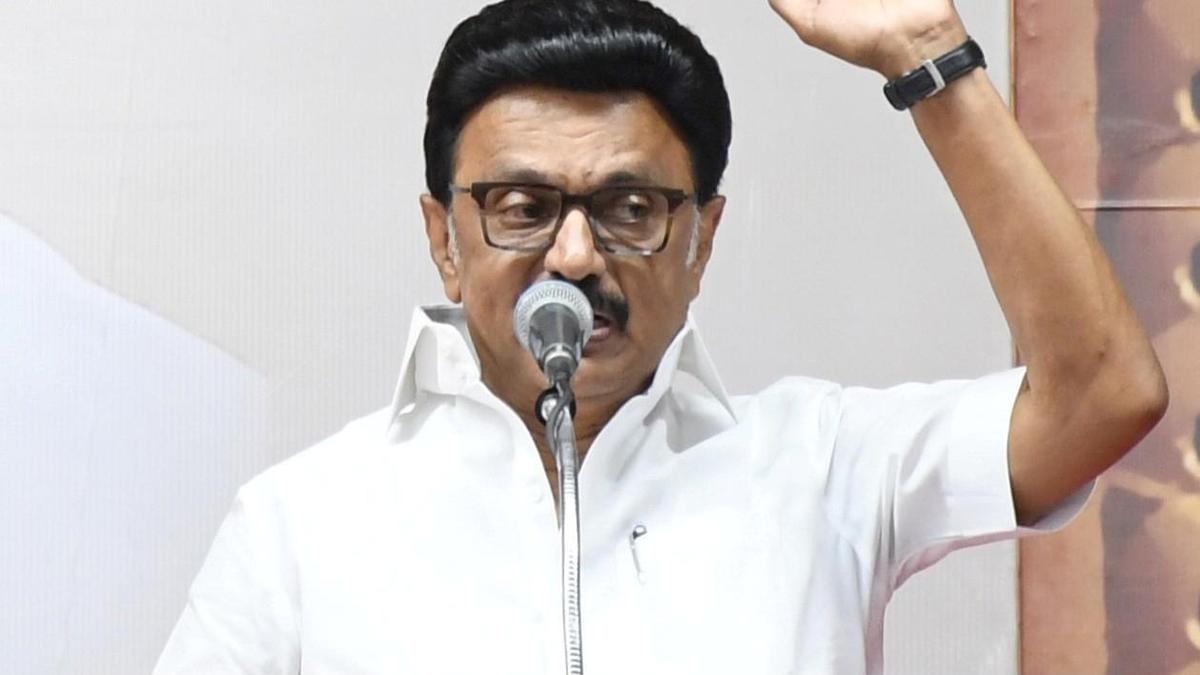
Tamil Nadu Chief Minister M.K. Stalin has formally requested Prime Minister Narendra Modi to intervene in the release of delayed funds for the Jal Jeevan Mission. In a detailed letter, the Chief Minister highlighted that the state needs these funds to continue its work in providing clean tap water to rural homes. The request also includes a call for the central government to approve several new water-related projects that are currently waiting for clearance. This move is seen as a vital step to ensure that rural infrastructure development does not come to a halt due to budget shortages.
Main Impact
The delay in funding has a direct effect on millions of people living in rural parts of Tamil Nadu. The Jal Jeevan Mission is a key program aimed at ensuring every household has access to safe and consistent drinking water through individual tap connections. When the central government holds back its share of the money, the state government finds it difficult to pay contractors and finish ongoing construction. This can lead to project delays, leaving many families without the basic necessity of clean water for longer than expected.
Key Details
What Happened
Chief Minister Stalin sent a formal communication to the Prime Minister’s Office to address the financial gap in the state's water projects. He explained that Tamil Nadu has been working steadily to meet the goals set by the national mission. However, the state is now facing a situation where the promised central assistance has not arrived on time. The letter emphasizes that the state has already spent a significant amount of its own budget and now requires the central government to fulfill its financial commitment to keep the momentum going.
Important Numbers and Facts
The Jal Jeevan Mission is a massive project with a goal to cover every rural household in India by the end of the program period. In Tamil Nadu, there are over 1.2 crore rural households. While the state has made progress in connecting millions of these homes, a large portion still requires infrastructure. The funding for this mission is usually shared between the Center and the State on a 50:50 basis. Any delay in the 50% share from the central government creates a massive hole in the project's total budget, affecting thousands of individual village projects across the state.
Background and Context
The Jal Jeevan Mission was launched by the central government in 2019. Its main goal is to provide "Har Ghar Jal," which means water in every home. Before this mission, many people in rural India had to walk long distances to collect water from wells, ponds, or public hand pumps. This task often fell on women and children, taking up hours of their day and affecting their health and education. By bringing a tap to every kitchen and bathroom, the government aims to improve the quality of life and public health.
Tamil Nadu has been one of the more active states in implementing this scheme. The state government has set up specialized teams to oversee the laying of pipes, the building of overhead tanks, and the installation of water treatment plants. However, building this infrastructure is expensive. It requires constant cash flow to buy materials like PVC pipes, cement, and pumps. Without the central government’s portion of the funds, the state’s progress is at risk of slowing down significantly.
Public or Industry Reaction
Local leaders and rural development experts have expressed concern over the funding delay. They point out that if the work stops now, the cost of the projects might go up in the future due to rising material prices. Contractors who work on these projects have also shared their worries about pending payments. On the political side, the state government is pushing for a more streamlined process where funds are released automatically based on the work completed, rather than having to wait for long approval cycles in New Delhi.
What This Means Going Forward
If the Prime Minister intervenes and the funds are released quickly, Tamil Nadu can resume its full-scale operations. This would mean that the state could meet its upcoming deadlines and provide water to the remaining unconnected households. However, if the funds remain blocked, the state might have to divert money from other important sectors like education or healthcare to cover the costs, or simply put the water projects on hold. The approval of new projects is also critical, as it allows the state to plan for the next phase of rural development and ensure that even the most remote villages are included in the water network.
Final Take
The success of large-scale social programs like the Jal Jeevan Mission depends heavily on the cooperation between the state and central governments. Chief Minister Stalin’s letter serves as a reminder that financial support must match the physical goals of the project. For the people of rural Tamil Nadu, this is not just about politics or budgets; it is about having a reliable source of clean water in their homes. Ensuring the smooth flow of funds is the only way to turn the promise of "water for all" into a reality.
Frequently Asked Questions
What is the Jal Jeevan Mission?
It is a central government program in India that aims to provide safe and adequate drinking water through individual household tap connections to all rural homes.
Why did CM Stalin write to PM Modi?
He wrote to request the release of pending funds that the central government owes the state for water projects and to ask for approval for new projects.
How is the project funded?
The cost of the Jal Jeevan Mission is typically shared between the central government and the state government, usually on a 50% each basis for states like Tamil Nadu.



