
Summary
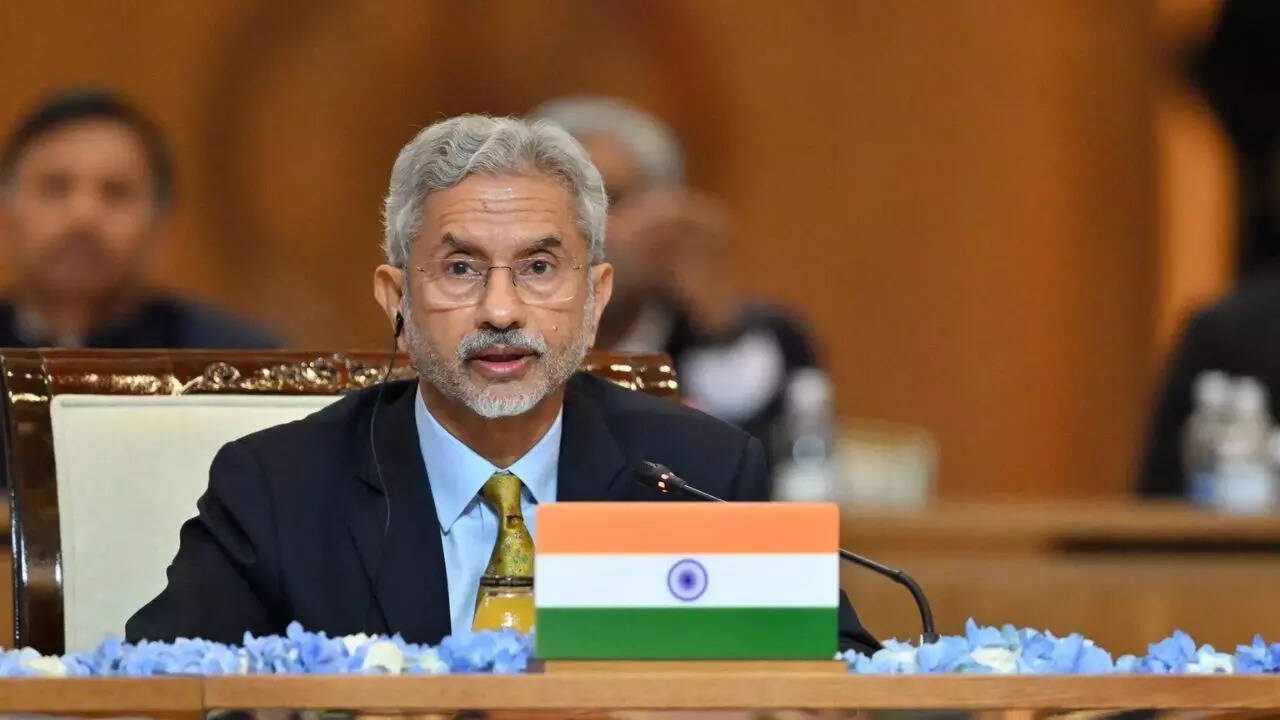
India’s External Affairs Minister, S. Jaishankar, recently clarified India’s position on international mediation during a high-level meeting with leaders from various political parties. He stated that India does not act as a "dalaal," a term often used to describe a middleman or broker who works for others' interests, and pointedly compared this to Pakistan’s historical role. This statement comes amid growing rumors that India might be stepping in to mediate the rising tensions between Iran and other global powers. The minister emphasized that India’s foreign policy is based on its own national interests and independent decision-making.
Main Impact
The primary impact of this statement is the clear boundary India has set regarding its role in global conflicts. By using strong language, the government has signaled to both domestic critics and international partners that it will not be used as a simple messenger. This stance reinforces India’s policy of strategic autonomy, where the country chooses its actions based on what is best for its people rather than following the lead of other major powers. It also highlights a sharp diplomatic divide between how India and Pakistan handle their relationships with powerful nations.
Key Details
What Happened
During an all-party meeting held to discuss the volatile situation in the Middle East, several political leaders asked about India’s involvement in the ongoing friction between Iran and Israel. There has been a lot of talk in diplomatic circles that India might be the perfect bridge to help these countries talk to each other. In response, S. Jaishankar told the gathered leaders that India is not a country that performs tasks for others like a hired agent. He specifically mentioned that India is not like Pakistan, which he suggested has often played the role of a middleman to gain favors from larger nations.
Important Numbers and Facts
The meeting included representatives from all major political parties in India, ensuring that the government’s foreign policy has broad support. While no specific secret deals were revealed, the discussion focused on the safety of over 9 million Indian citizens living and working in the Middle East. Additionally, India’s trade with the region is worth billions of dollars, making any conflict there a direct threat to the Indian economy. The minister noted that while India talks to all sides, it does so as an equal partner, not as a subordinate carrying out instructions.
Background and Context
To understand why this matters, one must look at the current state of the Middle East. Iran and Israel have been in a state of high tension, with many fearing a full-scale war. Because India maintains a good working relationship with both Tehran and Tel Aviv, many countries have looked to New Delhi to help calm the situation. In the past, countries like Pakistan have often acted as bridges—for example, helping the United States talk to China in the 1970s. However, the Indian government believes that such roles often come with a loss of independence. India prefers to use its influence to promote peace without being seen as a tool for any specific side.
Public or Industry Reaction
The reaction within India has been largely supportive of the government’s firm stance. Opposition leaders, while often critical of the government, generally agree that India should maintain its dignity on the world stage. Foreign policy experts have noted that Jaishankar’s comments are meant to show that India has grown into a major power that sets its own agenda. However, some analysts worry that being too blunt might make it harder for India to play a helpful role in stopping a war. Internationally, the comments have been seen as a reminder that India will not be pressured into taking sides in the complex rivalries of the Middle East.
What This Means Going Forward
Moving forward, India is likely to continue its "quiet diplomacy." This means the government will keep talking to leaders in Iran, Israel, and the United States, but it will not make a grand show of being a mediator. The focus will remain on protecting Indian energy supplies and the safety of Indian workers abroad. If the situation in the Middle East gets worse, India will likely call for peace through official statements rather than getting involved in the middle of the dispute. The government’s goal is to be seen as a "Vishwa Mitra" or a friend to the world, but on its own terms.
Final Take
India is sending a loud message that its days of being a secondary player in global politics are over. By rejecting the role of a middleman and criticizing Pakistan’s approach, the Indian government is asserting its status as a major global force. While India wants peace in the Middle East, it will only help in ways that respect its own sovereignty and national pride. This approach shows a confident nation that is more interested in being a leader than a follower.
Frequently Asked Questions
Why did S. Jaishankar use the word "dalaal"?
He used the term to explain that India does not act as a hired broker or a middleman for other countries. He wanted to emphasize that India’s diplomatic actions are independent and not done to please other powerful nations.
Is India helping Iran and Israel talk to each other?
While India is in contact with both countries to encourage peace and protect its own interests, the government has clarified that it is not acting as an official mediator or carrying messages back and forth for them.
How does this affect India's relationship with Pakistan?
The comments highlight the ongoing tension and different diplomatic styles between the two neighbors. India is positioning itself as a self-reliant power, while it views Pakistan’s foreign policy as being too dependent on the needs of other countries.



