
Summary
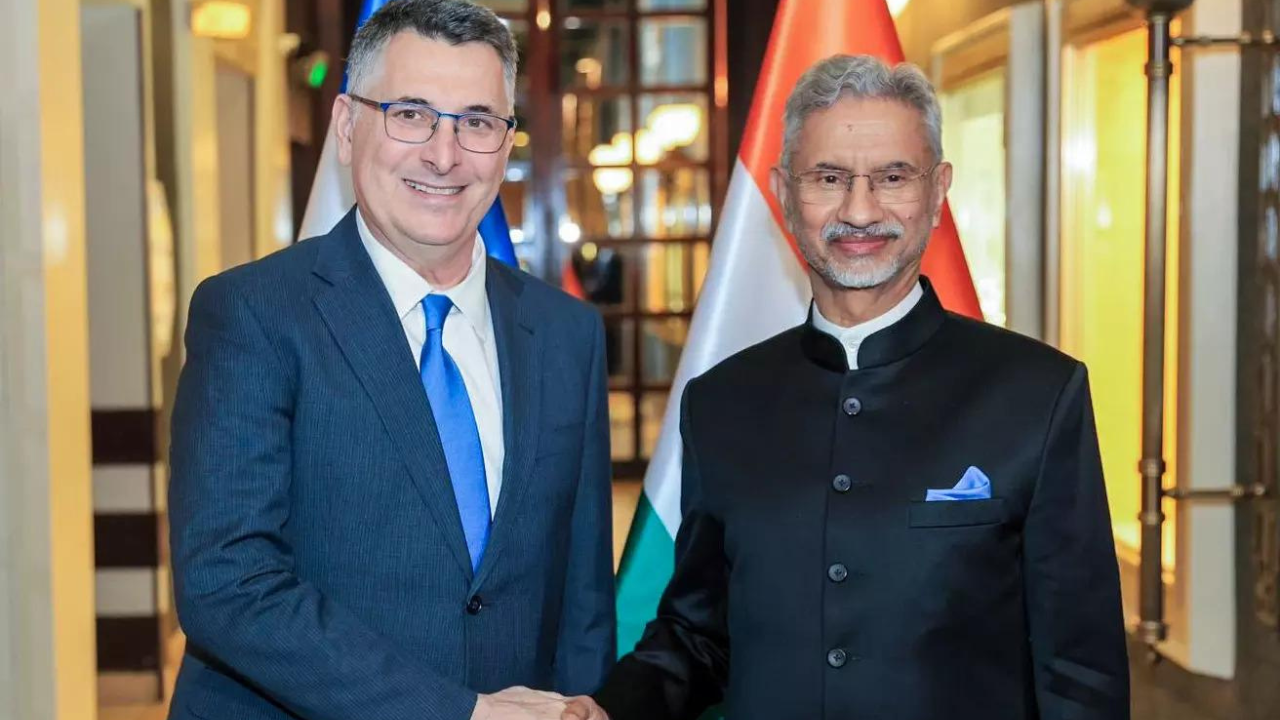
India's External Affairs Minister, S. Jaishankar, recently held a phone conversation with the Israeli Foreign Minister, Gideon Sa'ar. The two leaders talked about the current state of affairs in West Asia, a region that has seen significant tension and conflict lately. This discussion is part of India's ongoing effort to stay engaged with key partners and monitor the safety and stability of the Middle East. The call highlights India's role as a concerned global player seeking to understand the different sides of the regional crisis.
Main Impact
The primary impact of this high-level talk is the strengthening of diplomatic communication between India and Israel during a very sensitive time. West Asia is a critical area for global security and the world economy. When leaders from India and Israel speak directly, it helps both nations align their views on security and peace. For India, this dialogue is essential because any major trouble in the Middle East can affect energy prices, trade routes, and the safety of millions of Indian citizens working in the region.
Key Details
What Happened
Minister S. Jaishankar reached out to his Israeli counterpart to get an update on the local situation. During the call, they looked at various parts of the conflict and the broader regional environment. Jaishankar often uses these talks to express India’s stance on peace and to gather first-hand information from the ground. The conversation was described as a way to cover the many different factors currently shaping the security of the area.
Important Numbers and Facts
While the specific details of the private call were not all made public, several key facts provide context to the discussion. There are roughly 18,000 to 20,000 Indian nationals currently living and working in Israel. Additionally, India conducts billions of dollars in trade with West Asian countries every year. India also gets a large portion of its crude oil and gas from this part of the world. Because of these factors, maintaining a steady relationship with Israel and its neighbors is a top priority for the Indian government.
Background and Context
The situation in West Asia has been unstable for quite some time. Conflicts involving various groups have led to a rise in violence and political uncertainty. India has historically followed a policy of balance in this region. It supports the rights of the Palestinian people while also maintaining a strong and growing partnership with Israel in areas like technology, defense, and agriculture. This "balanced" approach is why India often speaks with leaders from all sides of the conflict. India wants to ensure that the fighting does not spread to other countries, which could cause a much larger global crisis.
Public or Industry Reaction
Diplomatic experts view this phone call as a sign that India is not sitting on the sidelines. By talking to Gideon Sa'ar, India shows it is actively monitoring the situation. Many in the international community look to India as a voice of reason that can talk to both Western powers and Middle Eastern nations. Within India, the reaction is focused on the safety of Indian workers. Families of those working abroad often look for these diplomatic updates to feel reassured that the government is looking out for their loved ones in conflict zones.
What This Means Going Forward
Moving forward, we can expect more of these high-level talks between India and other regional powers like Iran, Saudi Arabia, and the UAE. India will likely continue to push for a ceasefire and a return to diplomatic talks instead of military action. The safety of sea trade routes, especially in the Red Sea, will remain a major topic of concern. If the situation in West Asia improves, it could lead to the revival of large economic projects that connect India to Europe through the Middle East. However, if tensions rise, India may have to prepare for more complex challenges regarding energy security and citizen evacuation.
Final Take
This conversation between S. Jaishankar and Gideon Sa'ar is more than just a routine check-in. It is a clear sign that India is deeply invested in the peace and stability of West Asia. By keeping the lines of communication open, India ensures it has a seat at the table when discussing the future of one of the most important regions in the world. The focus remains on finding a path to peace that protects people and keeps the global economy moving smoothly.
Frequently Asked Questions
Why did S. Jaishankar speak with the Israeli Foreign Minister?
The talk was held to discuss the current security situation in West Asia and to share views on how to bring stability back to the region.
How many Indians live in Israel?
There are approximately 18,000 to 20,000 Indian citizens living in Israel, many of whom work in the caregiving, construction, and IT sectors.
What is India's general stance on the West Asia conflict?
India supports a peaceful solution through dialogue. It maintains a balanced relationship by supporting the needs of Palestinians while keeping a strong strategic partnership with Israel.



