
Summary
The Indian Space Research Organisation (Isro) has given the green light to a cryogenic engine for its next LVM-3 mission. This engine is a key part of the rocket that helps put heavy satellites into space. The approval marks an important step forward for India's space program, as the LVM-3 is one of the country's most powerful launch vehicles.
Main Impact
Isro's clearance of the cryogenic engine means the next LVM-3 launch is moving closer to reality. This mission is expected to carry a heavy communications satellite, which will boost India's ability to provide internet and TV services across the country. The engine's approval shows that Isro is confident in its technology and ready for another big launch.
Key Details
What Happened
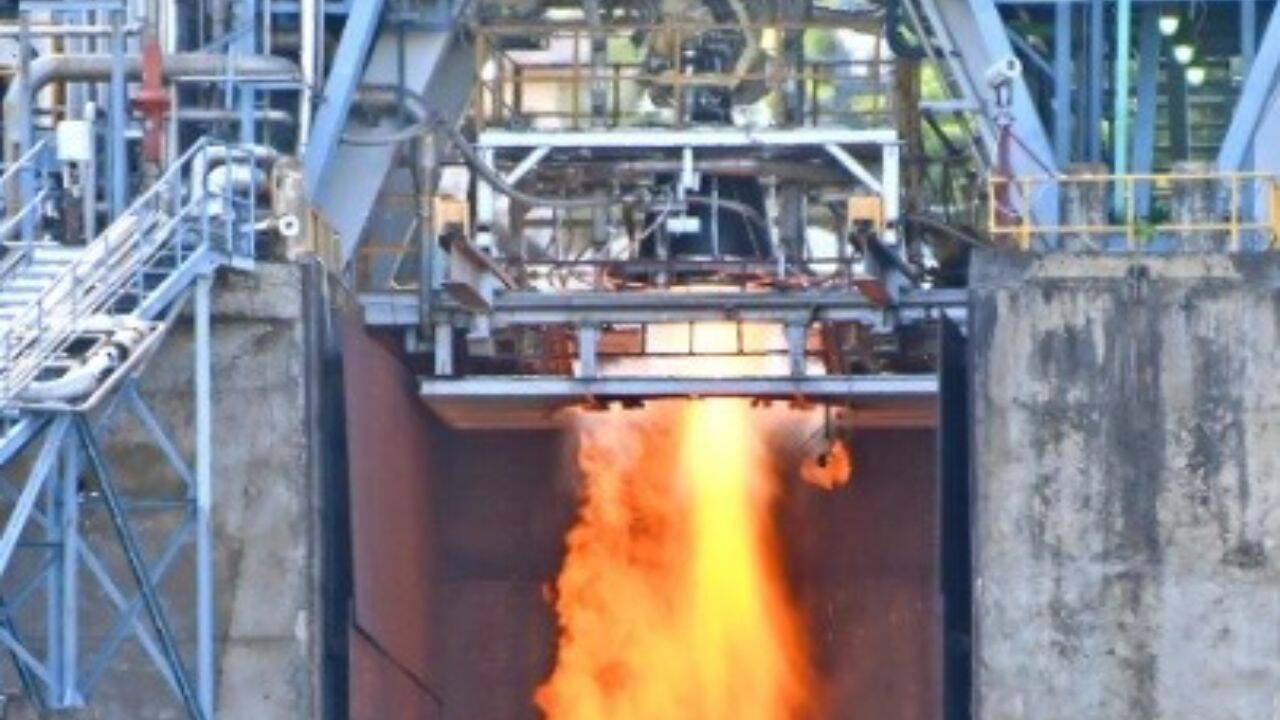
Isro officials confirmed that the cryogenic engine, which uses super-cold fuel, has passed all tests and is now cleared for use. The engine will power the upper stage of the LVM-3 rocket, which is the part that pushes the satellite into its final orbit. This engine is known for being efficient and reliable, making it a critical component for heavy payloads.
Important Numbers and Facts
The LVM-3 rocket can carry up to 4,000 kilograms of payload to geostationary orbit, which is about 36,000 kilometers above Earth. The cryogenic engine uses liquid hydrogen and liquid oxygen as fuel, which are stored at very low temperatures. This mission is part of Isro's ongoing efforts to launch more satellites for communication and weather monitoring.
Background and Context
Cryogenic engines are a big deal in space travel because they are more powerful than other types of rocket engines. They burn fuel at extremely cold temperatures, which gives them more thrust for their weight. Isro has been developing its own cryogenic technology for years, and this engine is a result of that work. The LVM-3, formerly known as the GSLV Mark III, has already successfully launched missions like Chandrayaan-2 and several communication satellites.
Public or Industry Reaction
Space enthusiasts and experts have welcomed the news, seeing it as a sign of Isro's growing capabilities. Many have pointed out that reliable cryogenic engines are hard to build, and Isro's success here is a big achievement. Some industry watchers say this will help India compete in the global satellite launch market, where demand for heavy-lift rockets is high.
What This Means Going Forward
With the engine cleared, Isro can now finalize the launch date for the next LVM-3 mission. This launch will likely happen in the coming months, depending on other preparations. Success here will strengthen Isro's reputation and open doors for more commercial launches. It also paves the way for future missions, including those that might carry astronauts or heavier payloads.
Final Take
Isro's clearance of the cryogenic engine is a quiet but powerful step forward. It shows that the organization is ready to keep pushing boundaries in space technology. For India, this means better satellite services and a stronger position in the global space industry.
Frequently Asked Questions
What is a cryogenic engine?
A cryogenic engine is a rocket engine that uses super-cold fuels like liquid hydrogen and liquid oxygen. These fuels are stored at very low temperatures to keep them in liquid form. The engine is very efficient and provides a lot of power for lifting heavy objects into space.
Why is the LVM-3 rocket important?
The LVM-3 is one of India's most powerful rockets. It can carry heavy satellites into high orbits, which is important for communication, weather, and other services. It has also been used for important missions like Chandrayaan-2.
When will the next LVM-3 launch happen?
Isro has not announced an exact date yet. But with the cryogenic engine now cleared, the launch is expected to take place in the next few months. The exact timing will depend on other preparations and checks.



