
Summary
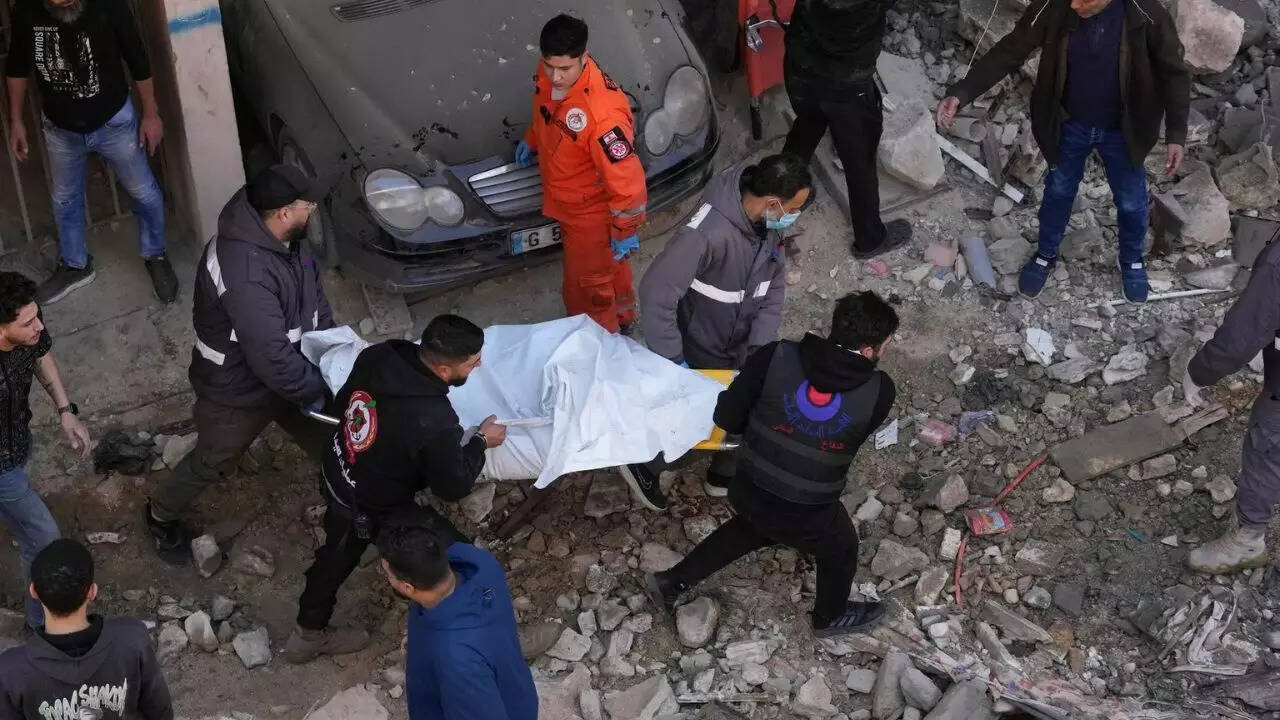
A recent Israeli airstrike in southern Lebanon has resulted in the deaths of 12 medical workers at a local healthcare center. This attack was followed by another strike that killed two paramedics, further increasing the death toll among emergency responders. These events mark a serious turn in the ongoing conflict between Israel and the armed group Hezbollah. As the violence moves deeper into Lebanese territory, the risk of a full-scale regional war continues to grow, putting more civilian lives and essential services at risk.
Main Impact
The primary impact of these strikes is the immediate loss of life among those trained to save others. By hitting a medical facility, the conflict has moved into a space that is usually protected under international rules. This loss of 14 medical professionals in a single day puts immense pressure on Lebanon’s healthcare system, which is already struggling due to economic problems. Beyond the loss of life, the strikes send a message that no area in southern Lebanon is completely safe from the fighting. This has caused widespread fear among the local population and has led to more people fleeing their homes to find safety in the north.
Key Details
What Happened
The most significant strike occurred at a healthcare center located in a town in southern Lebanon. Twelve staff members, including doctors and nurses, were killed when the building was hit. Witnesses reported a massive explosion that destroyed much of the facility. Shortly after this event, another strike targeted a different area, where two paramedics were killed while they were trying to reach people injured in earlier attacks. These strikes are part of a larger series of air raids conducted by the Israeli military, which says it is targeting locations used by Hezbollah for military purposes.
Important Numbers and Facts
The total number of medical workers killed in these specific incidents is 14. This adds to a growing list of casualties in Lebanon since the border conflict intensified several months ago. Reports indicate that hundreds of people have died on the Lebanese side of the border, including both fighters and civilians. On the other side, northern Israel has seen thousands of rockets fired into its territory, leading to the displacement of tens of thousands of Israeli citizens. The frequency of these strikes has increased by nearly 40% over the last few weeks, showing that the conflict is not slowing down.
Background and Context
The tension between Israel and Hezbollah is not new; the two sides have fought several wars over the past few decades. However, the current situation is tied to the broader instability in the Middle East. Hezbollah, a powerful political and military group in Lebanon, began firing rockets into Israel to show support for its allies in Gaza. Israel responded with airstrikes and artillery fire. While the fighting was mostly limited to the border areas at first, it has now spread further into Lebanon. The Lebanese government has a difficult job because it does not have full control over Hezbollah’s military actions, yet the entire country suffers the consequences of the war.
Public or Industry Reaction
The reaction to the deaths of the medical workers has been one of anger and sadness. International aid groups have called for the protection of healthcare staff, noting that doctors and paramedics should never be targets in a war. Inside Lebanon, the government has condemned the strikes as a violation of its sovereignty. Hezbollah leaders have remained firm, stating that they are ready for a long and difficult conflict and will not stop their operations until the situation in Gaza changes. On the other hand, the Lebanese President has taken a different path by offering to talk directly with Israel. This offer for direct negotiations is a rare move and shows that some leaders are desperate to find a diplomatic way to stop the violence.
What This Means Going Forward
Looking ahead, the situation remains very dangerous. Israel has warned that if Hezbollah does not pull back its forces from the border, the military action will become even more intense. This could lead to a ground invasion or more heavy bombing of Lebanese cities. For the people of Lebanon, this means more displacement and a worsening economic crisis. The international community, including the United States and European nations, is trying to mediate a deal to prevent a larger war. However, as long as the fighting continues, the risk of a mistake or a major escalation remains high. The next few weeks will be critical in determining if the region moves toward a ceasefire or a much larger disaster.
Final Take
The death of 12 medical workers in a single strike is a dark moment in this conflict. It highlights how quickly a regional dispute can turn into a humanitarian crisis. While political and military leaders discuss their goals and strategies, the people on the ground—especially those trying to provide medical care—are the ones facing the most danger. A peaceful solution is needed urgently to prevent more innocent lives from being lost in a war that shows no signs of ending soon.
Frequently Asked Questions
Why were the medical workers targeted?
Israel states that its strikes target Hezbollah military sites and infrastructure. However, Lebanese officials and aid groups say the facility was a civilian healthcare center providing essential medical services to the local community.
What is the Lebanese government's position?
The Lebanese government is in a tough spot. While it condemns the Israeli strikes, it also has limited control over Hezbollah. Recently, the Lebanese President offered to negotiate directly with Israel to try and end the fighting through diplomacy.
Is this conflict expected to end soon?
Currently, there is no clear sign of the conflict ending. Hezbollah has said it is prepared for a long war, and Israel has warned of more severe consequences for Lebanon if the rocket attacks do not stop. International leaders are still working to find a way to reach a ceasefire.

