Summary
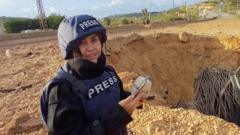
Lebanon’s Prime Minister has officially accused Israel of committing war crimes following a recent air strike that killed a journalist. The Lebanese government claims that the attack was a deliberate act against a member of the media. Furthermore, reports indicate that Israeli forces targeted Red Cross vehicles, which made it impossible for emergency workers to reach the site of the explosion. This incident has sparked international concern over the safety of both reporters and humanitarian workers in the region.
Main Impact
The death of a journalist in the line of duty has a profound impact on the flow of information from conflict zones. When members of the press are killed, it creates a sense of fear that can prevent others from reporting the truth about what is happening on the ground. This specific event has also damaged the trust between international aid organizations and the military forces operating in the area. By allegedly blocking the Red Cross, the ability to save lives during active fighting has been severely compromised, leading to a higher risk of civilian deaths.
Key Details
What Happened
The incident took place during a period of intense military activity along the border. According to Lebanese officials, an Israeli air strike hit a location where a group of journalists was stationed. One journalist was killed instantly in the blast. As emergency teams rushed to the scene, Red Cross ambulances were reportedly fired upon or blocked by military maneuvers. This prevented the rescuers from providing immediate medical care to those injured in the initial strike. The Lebanese government has described these actions as a clear violation of international laws that protect non-combatants during war.
Important Numbers and Facts
The Lebanese Prime Minister, Najib Mikati, issued a formal statement condemning the attack. This is not the first time a journalist has been killed in this conflict, with several media workers losing their lives over the past year. International law, specifically the Geneva Conventions, states that journalists must be treated as civilians and should never be targeted. Additionally, the Red Cross is a neutral organization that must be allowed safe passage to help the wounded. Blocking these vehicles is considered a serious breach of global military standards.
Background and Context
The conflict between Israel and groups in Lebanon has been ongoing for a long time, but it has intensified recently. The border areas have become dangerous zones where daily exchanges of fire occur. Journalists travel to these high-risk areas to document the effects of the war and to provide the world with accurate news. Because the fighting is so close to civilian areas, the role of the Red Cross and other medical teams is vital. They often work in the middle of active battlefields to pull people from the rubble or transport the injured to hospitals. When these teams are stopped from doing their jobs, the humanitarian crisis worsens quickly.
Public or Industry Reaction
The reaction to this event has been swift and full of anger. Media rights groups across the globe have called for an immediate and independent investigation into the strike. They argue that without a clear explanation, it looks like a targeted attempt to silence the press. The Red Cross has also expressed deep concern, stating that their staff must be protected so they can save lives. In Lebanon, there is a growing sense of frustration with the international community for not doing more to stop the violence against civilians. Meanwhile, the Israeli military often states that it targets specific military threats and does not intend to harm journalists, though they have faced heavy criticism for the high number of civilian casualties in recent months.
What This Means Going Forward
Moving forward, this incident will likely lead to more legal pressure on Israel. Lebanon is expected to take this case to the United Nations to seek a formal condemnation. For journalists, the environment will become even more restricted. Many news agencies may decide it is too dangerous to send their staff to the front lines, which could result in less coverage of the war. There is also the risk that if medical workers continue to be targeted, they will be unable to operate in the areas where they are needed most. This could lead to a situation where people die from treatable injuries simply because help cannot reach them in time.
Final Take
The protection of journalists and medical workers is not just a matter of law; it is a matter of basic humanity. When those who report the news and those who save lives are put in the crosshairs, the entire world loses. Clear rules must be followed to ensure that even in the middle of a war, the most vulnerable people and those trying to help them are kept safe from harm. Without these protections, the cost of conflict becomes far higher than any society should have to pay.
Frequently Asked Questions
Why are journalists protected in war zones?
Under international law, journalists are considered civilians. They are protected because they do not take part in the fighting and their job is to provide information to the public. Targeting them is a violation of the rules of war.
What is the role of the Red Cross during a conflict?
The Red Cross is a neutral organization that provides medical aid to anyone who is injured, regardless of which side they are on. They must be given safe access to conflict areas to help the wounded and move them to safety.
What happens if a country is accused of war crimes?
When a country is accused of war crimes, international bodies like the United Nations or the International Criminal Court may investigate. If evidence is found, it can lead to legal trials, sanctions, or international pressure to change military tactics.