Summary
United States President Donald Trump has announced that the leaders of Israel and Lebanon are scheduled to speak this Thursday. This high-level communication marks a major shift in Middle East diplomacy, as it is the first time in 34 years that leaders from these two nations have held such a conversation. The talks are being mediated by the U.S. government with the goal of reaching a ceasefire agreement. While these diplomatic efforts move forward, military actions continue on the ground, with recent strikes causing casualties in southern Lebanon.
Main Impact
The primary impact of this development is the potential for a sudden pause in a long and violent conflict. For decades, Israel and Lebanon have remained in a state of war, with no direct communication between their top officials. By bringing these leaders together, the U.S. administration hopes to create what President Trump calls "breathing room" for both countries. If successful, this could lead to a formal ceasefire that stops the daily exchange of fire across the border. However, the immediate effect is a mix of hope and tension, as the announcement comes during a period of intense military activity.
Key Details
What Happened
President Trump shared the news through his Truth Social account, stating that the leaders would speak on Thursday, April 16. He noted the historical importance of the event, pointing out that such a conversation has not happened in over three decades. This announcement follows a meeting on Tuesday between the ambassadors of Israel and Lebanon. Those preliminary talks were successful enough for both governments to agree to higher-level discussions. The U.S. is acting as the main bridge between the two sides, trying to find a middle ground that ensures security for Israel and stability for Lebanon.
Important Numbers and Facts
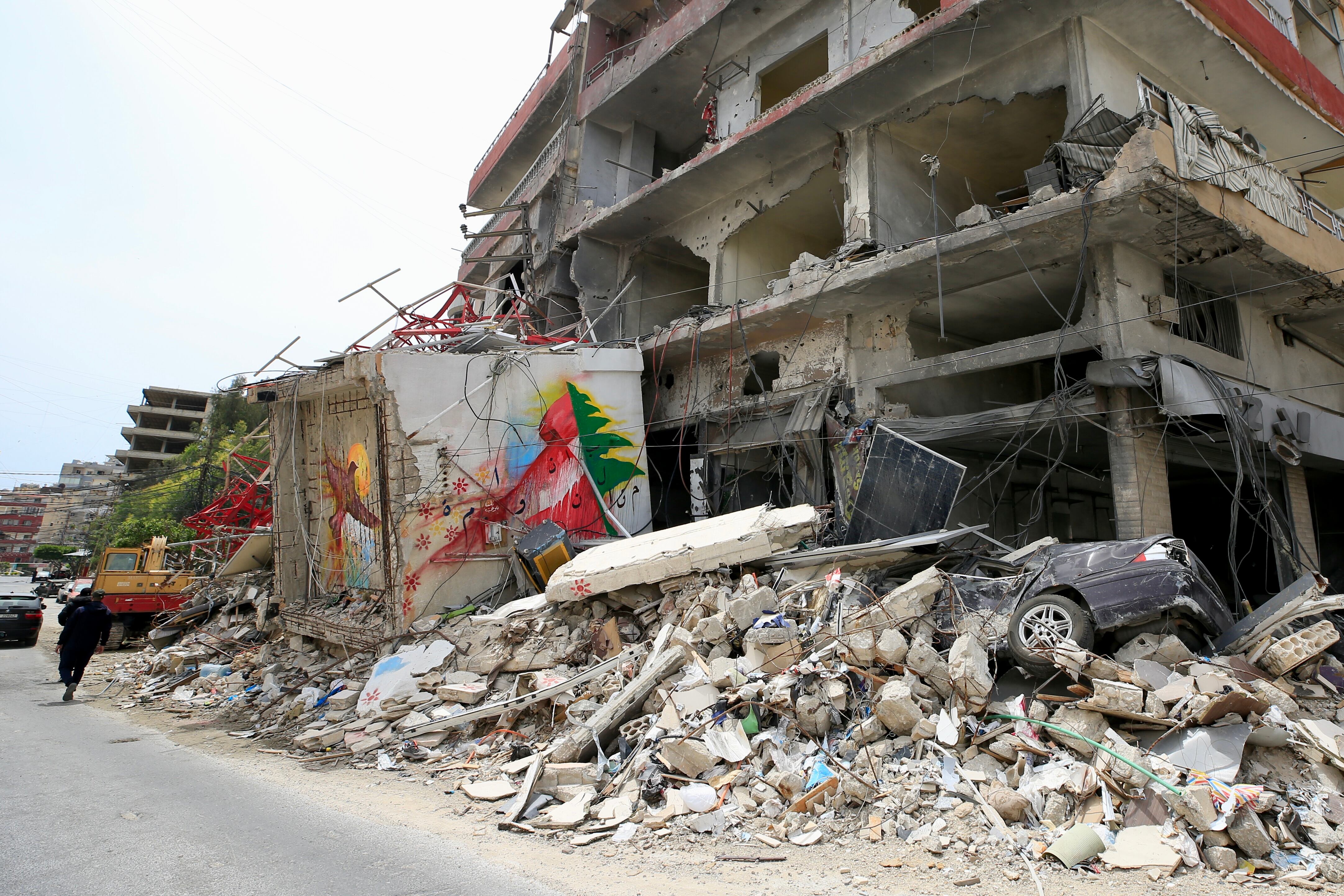
The timeline and the human cost of the conflict provide important context for these talks. It has been 34 years since the leaders of these two nations last spoke directly. On the military side, the situation remains dire. Just hours before the announcement, Israeli air strikes hit several locations in southern Lebanon. Local reports confirm that at least ten people were killed in these attacks, including two children. These figures highlight the urgency of the ceasefire talks, as the death toll continues to rise while diplomats negotiate.
Background and Context
To understand why this call is so important, one must look at the long history of tension in the region. Israel and Lebanon share a border that has been a flashpoint for violence for many years. Much of this conflict involves Hezbollah, a powerful armed group based in Lebanon that is backed by Iran. Israel views Hezbollah as a major threat to its northern citizens, while Hezbollah claims it is defending Lebanese territory. Because the Lebanese government and Hezbollah are closely linked in many ways, negotiating a peace deal is very difficult. The U.S. has stepped in to mediate because it has a strong relationship with Israel and wants to prevent a larger war that could involve other countries like Iran.
Public or Industry Reaction
The reaction to the news has been divided. Many international leaders have welcomed the news of the phone call, seeing it as a necessary step to prevent a full-scale regional war. Peace advocates argue that direct communication is the only way to end the cycle of violence. However, some political experts remain cautious. They point out that talking is not the same as signing a peace treaty. Within Israel and Lebanon, there is also skepticism. Some people fear that the talks are just a temporary pause and that the underlying issues, such as the presence of armed groups and border disputes, will not be solved easily.
What This Means Going Forward
The next steps will depend entirely on the outcome of the Thursday call. If the conversation goes well, the two countries might move toward a written ceasefire agreement. This would likely involve rules about where military forces can stay and how the border will be monitored. The U.S. will likely continue to play a major role in overseeing these promises. However, there are significant risks. If the strikes continue or if Hezbollah refuses to follow the terms of a potential deal, the talks could fail. For the people living near the border, the coming days will determine if they can return to their homes or if they must prepare for more fighting.
Final Take
The planned talk between the leaders of Israel and Lebanon is a historic moment that could change the direction of the Middle East. While the 34-year silence is finally breaking, the reality of the war remains visible through the ongoing loss of life. Diplomacy is finally taking center stage, but only time will tell if words can truly stop the weapons.
Frequently Asked Questions
Why is this phone call considered historic?
It is historic because the leaders of Israel and Lebanon have not spoken to each other in 34 years. The two countries have been in a state of conflict for decades, making direct communication very rare.
Who is helping the two countries talk?
The United States government, led by President Donald Trump, is acting as the mediator. The U.S. is using its influence to bring both sides to the table to discuss a ceasefire.
Is the fighting over now that they are talking?
No, the fighting has not stopped yet. Even as the talks were announced, military strikes continued in southern Lebanon, resulting in several deaths. The goal of the talks is to reach a ceasefire that will eventually stop the violence.