Summary
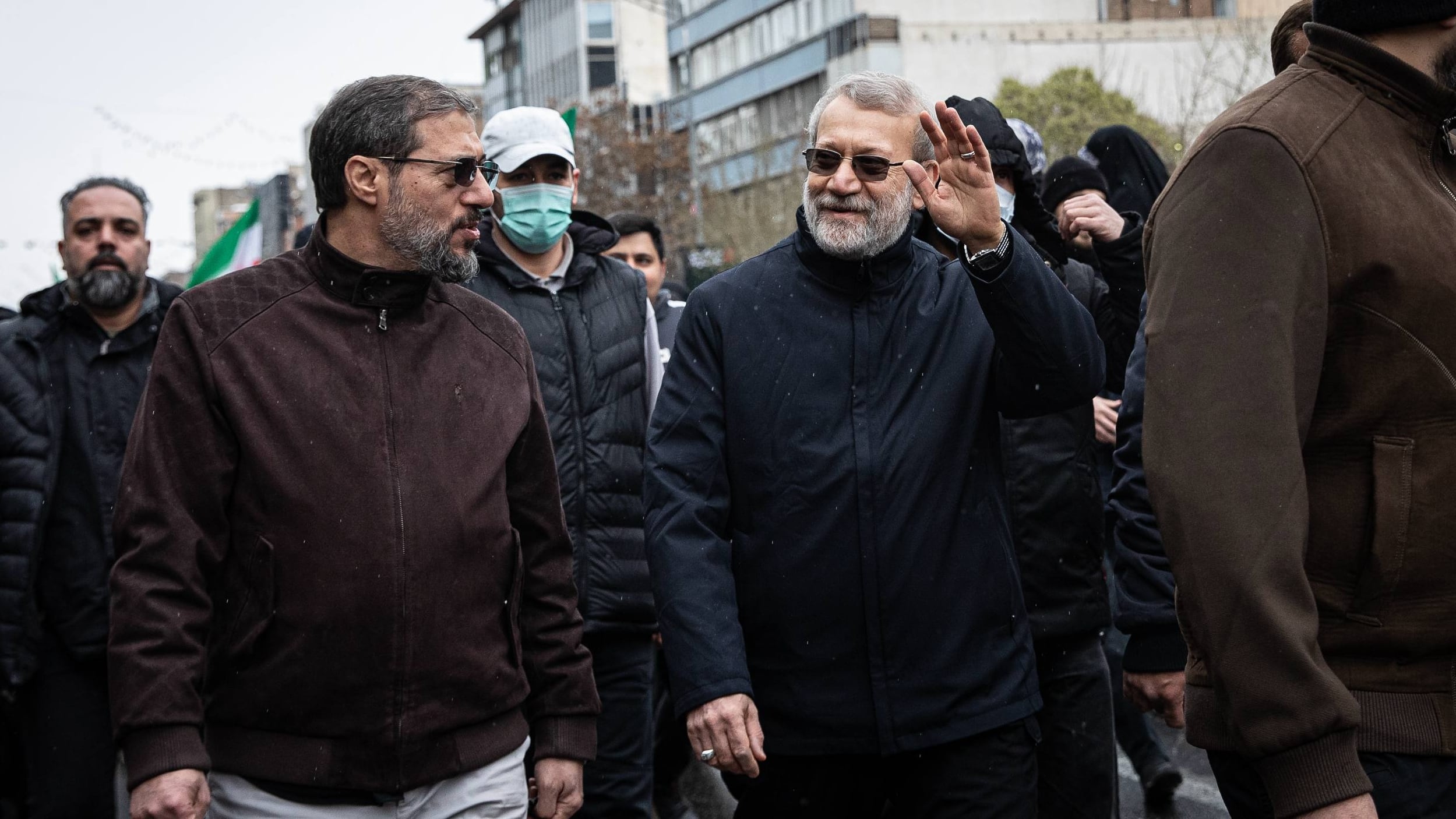
Israel has killed Ali Larijani, a top official in the Iranian government, during a series of intense military strikes. Larijani served as the Secretary of the National Security Council and was considered one of the most powerful men in the country. His death comes just weeks after the passing of the Supreme Leader, Ali Khamenei, marking a significant loss for the regime. This event is part of a larger effort to weaken the current leadership in Tehran through targeted military actions.
Main Impact
The death of Ali Larijani is a major blow to the stability of the Iranian government. As a veteran politician and security expert, he was often seen as the person actually running the day-to-day operations of the state. His removal from the power structure creates a void in the national security team at a time when the country is under heavy fire. This strike shows that the Iranian leadership is vulnerable, even in highly protected areas, which may cause fear and confusion within the government ranks.
Key Details
What Happened
On Tuesday, March 17, 2026, Israeli forces carried out a strike that killed Ali Larijani. The Iranian government confirmed his death late that evening. This attack happened during a two-week period of constant bombing aimed at removing the current regime from power. Larijani was a central figure in the transition of power following the death of the previous Supreme Leader. His death is the most high-profile killing of an Iranian official since the end of February.
Important Numbers and Facts
The conflict has moved very quickly over the last month. On February 28, 2026, the Supreme Leader Ali Khamenei died, which started a period of uncertainty in Tehran. Since then, Israel has increased its military pressure. The current bombing campaign has lasted for 14 days. Larijani was not just a politician; he was the head of the National Security Council, which makes him one of the top military and political targets in the region. Tehran has stated that while this is a loss, they have a system in place to replace fallen leaders quickly.
Background and Context
To understand why this matters, it is important to look at how Iran is governed. The country is not ruled by just one person. Instead, it relies on several groups and leaders who work together to keep the system running. When Ali Khamenei died, his son, Mojtaba Khamenei, was named as the successor. However, Mojtaba is seen by many as less experienced than his father. Because of this, Ali Larijani became the "strongman" who helped guide the new leader and manage the country's defense.
The region has been in a state of high tension for a long time. Global powers have been watching closely as the military pressure on Iran has grown. The goal of these recent attacks is to change the way Iran is governed. By removing key figures like Larijani, the forces attacking Iran hope to make the government collapse from the inside. This is happening while the Iranian economy is also struggling due to the costs of war and international pressure.
Public or Industry Reaction
The reaction to Larijani's death has been intense. Inside Iran, the government is trying to show strength. They have released statements saying that the "pillars" of the regime remain strong and that a successor will be named immediately. They want to convince the public that the government is still in control. However, many experts believe that losing such an experienced leader will make it harder for the regime to coordinate its military responses.
On the international stage, there is a mix of support and worry. Some leaders believe that removing the top officials in Tehran is the only way to bring peace to the region. Others are concerned that these killings will lead to a much larger war that could affect the whole world. Oil prices and global markets are also reacting to the news, as any instability in the Middle East usually causes energy prices to go up.
What This Means Going Forward
In the coming days, we will see how the Iranian government chooses to respond. They may try to launch their own attacks to show they are still powerful. The biggest question is who will take Larijani's place. While the regime says they have many leaders ready, finding someone with his level of influence and knowledge will be difficult. The new Supreme Leader, Mojtaba Khamenei, now faces his biggest test without his most important advisor.
The military campaign against Iran is likely to continue. If more high-ranking officials are killed, the government might find it impossible to keep order. This could lead to a total change in how the country is run, or it could lead to more violence. The next few weeks will be critical for the future of the region.
Final Take
The killing of Ali Larijani is more than just the death of one man; it is a direct hit to the heart of Iran's security system. It proves that the current strategy of targeted strikes is reaching the highest levels of the government. While the regime is built to survive the loss of individuals, the combination of a new leader and the loss of key advisors puts the government in a very dangerous position. The world is now waiting to see if the Iranian system will hold together or if this is the beginning of its final days.
Frequently Asked Questions
Who was Ali Larijani?
Ali Larijani was the Secretary of the National Security Council in Iran. He was a very powerful leader who helped manage the country's military and political decisions, especially after the death of the Supreme Leader.
Why did Israel target him?
He was targeted because he was a key figure in the Iranian regime. By removing him, Israel and its allies hope to weaken the government's ability to defend itself and stay in power.
Will the Iranian government collapse because of this?
It is too early to tell. The Iranian government has many leaders and a system designed to replace people quickly. However, losing such an important official during a war makes the government much weaker and more unstable.