
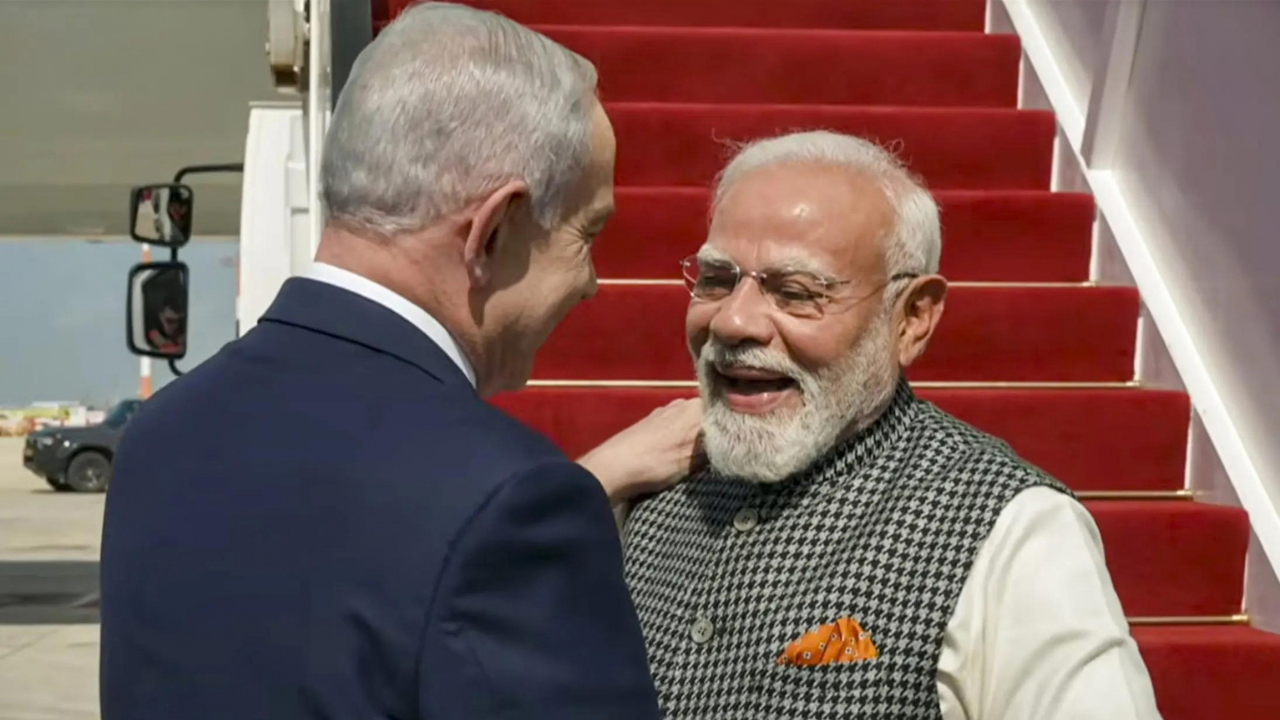
Summary
Israel's Ambassador to India, Reuven Azar, recently provided clarity on the timing of Israel's military strikes against Iran. He explained that the operation was carried out shortly after Prime Minister Narendra Modi’s visit to the region to take advantage of a specific military window. The envoy also addressed rumors regarding whether India was informed beforehand and discussed Israel's long-term goals of stopping nuclear and missile threats. This statement helps explain the complex relationship between military strategy and international diplomacy during times of conflict.
Main Impact
The primary impact of the envoy's statement is the clarification of how Israel manages its military actions alongside its diplomatic friendships. By waiting until after PM Modi’s visit to the region, Israel avoided a situation where a major world leader could have been caught in the middle of a sudden military escalation. This shows that while Israel prioritizes its national security, it is also mindful of the presence of high-level foreign officials. The clarification helps maintain the steady relationship between India and Israel, ensuring that military actions do not cause unnecessary diplomatic friction between the two partners.
Key Details
What Happened
Ambassador Reuven Azar explained that the timing of the strike against Iran was determined by what he called an "operational opportunity." In simple terms, this means the Israeli military waited for the perfect moment when their targets were most exposed and their own forces were fully prepared. He denied that the strike was specifically scheduled around PM Modi's travel plans, but noted that the timing worked out to be after the visit. The envoy also used the opportunity to speak out against false information, or disinformation, that had been spreading about Israeli Prime Minister Benjamin Netanyahu during the period of the strikes.
Important Numbers and Facts
The military operation focused on two major areas: Iran’s nuclear capabilities and its missile production sites. Israel has long argued that Iran is trying to build nuclear weapons, a claim that Iran has repeatedly denied. The envoy stated that the goal of the mission was to neutralize these threats so they could not be used against Israel in the future. While specific casualty numbers or damage costs were not the focus of his statement, the envoy emphasized that the mission was successful in disrupting the Iranian regime's immediate military plans. He also confirmed that Israel is fully prepared for Iran to try and strike back in response.
Background and Context
The tension between Israel and Iran has been a major issue in the Middle East for many decades. This "shadow war" has recently moved into more direct conflict. Israel views a nuclear-armed Iran as a threat to its existence, while Iran supports various groups that are hostile to Israel. India finds itself in a unique position in this conflict. India has a strong and growing partnership with Israel, especially in technology, defense, and agriculture. At the same time, India maintains a working relationship with Iran, which is an important source of energy and a gateway to trade with Central Asia. Because of these ties, India always keeps a close watch on any military developments in the region to ensure its own economic and energy security is not harmed.
Public or Industry Reaction
Experts in international relations have noted that the envoy’s comments were likely intended to calm any concerns that India was being kept in the dark about major military moves. By explaining that the timing was based on military "opportunity" rather than a secret political deal, the envoy helped protect India’s neutral stance. Within India, the reaction has been one of careful observation. The Indian government generally calls for peace and dialogue in the Middle East, as any large-scale war could lead to higher oil prices and affect the millions of Indian citizens who live and work in the Gulf region. Industry leaders are also watching closely, as stability in the Middle East is vital for global shipping and trade routes.
What This Means Going Forward
Moving forward, the situation remains highly unpredictable. Israel has made it clear that it will continue to act if it feels that Iran is rebuilding its military or nuclear strength. This means more strikes are possible in the future. For India, the challenge will be to continue its "balancing act." India will likely keep its diplomatic channels open with both sides to prevent the conflict from spreading. The world will also be watching to see if the United States becomes more involved, as the U.S. is a key ally of Israel and has its own complicated history with Iran. The focus for all parties involved is now on whether a full-scale war can be avoided through a mix of military deterrence and diplomatic pressure.
Final Take
The envoy’s explanation highlights the thin line that countries must walk between protecting their borders and respecting their international allies. While Israel’s main focus is on stopping threats from Iran, it clearly values its relationship with India enough to address the timing of its actions publicly. As the region remains on high alert, the hope is that clear communication between nations can prevent the situation from spiraling into a much larger global crisis.
Frequently Asked Questions
Did PM Modi have advance knowledge of the strike?
The Israeli envoy did not say that India was warned in advance. Instead, he explained that the strike happened after the visit because that was when the best military opportunity arose.
What was the main reason for the Israeli strike on Iran?
The primary goal was to destroy missile and nuclear facilities that Israel believes Iran is using to prepare for future attacks.
How does this conflict affect India?
India is affected because it has strong ties with both countries. A larger war could lead to higher fuel prices and create safety risks for Indian citizens living in the Middle East.



