Summary
The conflict between Israel, the United States, and Iran has reached a dangerous new level. Israeli Prime Minister Benjamin Netanyahu recently suggested that a ground invasion might be necessary to remove the Iranian government from power. This statement comes as the war shifts its focus toward destroying vital energy infrastructure, such as oil and gas facilities. These attacks are already starting to affect the global economy and energy supplies.
Main Impact
The biggest change in this conflict is the move from air strikes to the possibility of a ground war. For a long time, the fighting was limited to missiles and planes. Now, the talk of sending soldiers into Iran suggests a much larger and more direct confrontation. This shift is happening at the same time as heavy attacks on the energy sector, which could cause fuel and gas prices to rise for people all over the world.
Key Details
What Happened
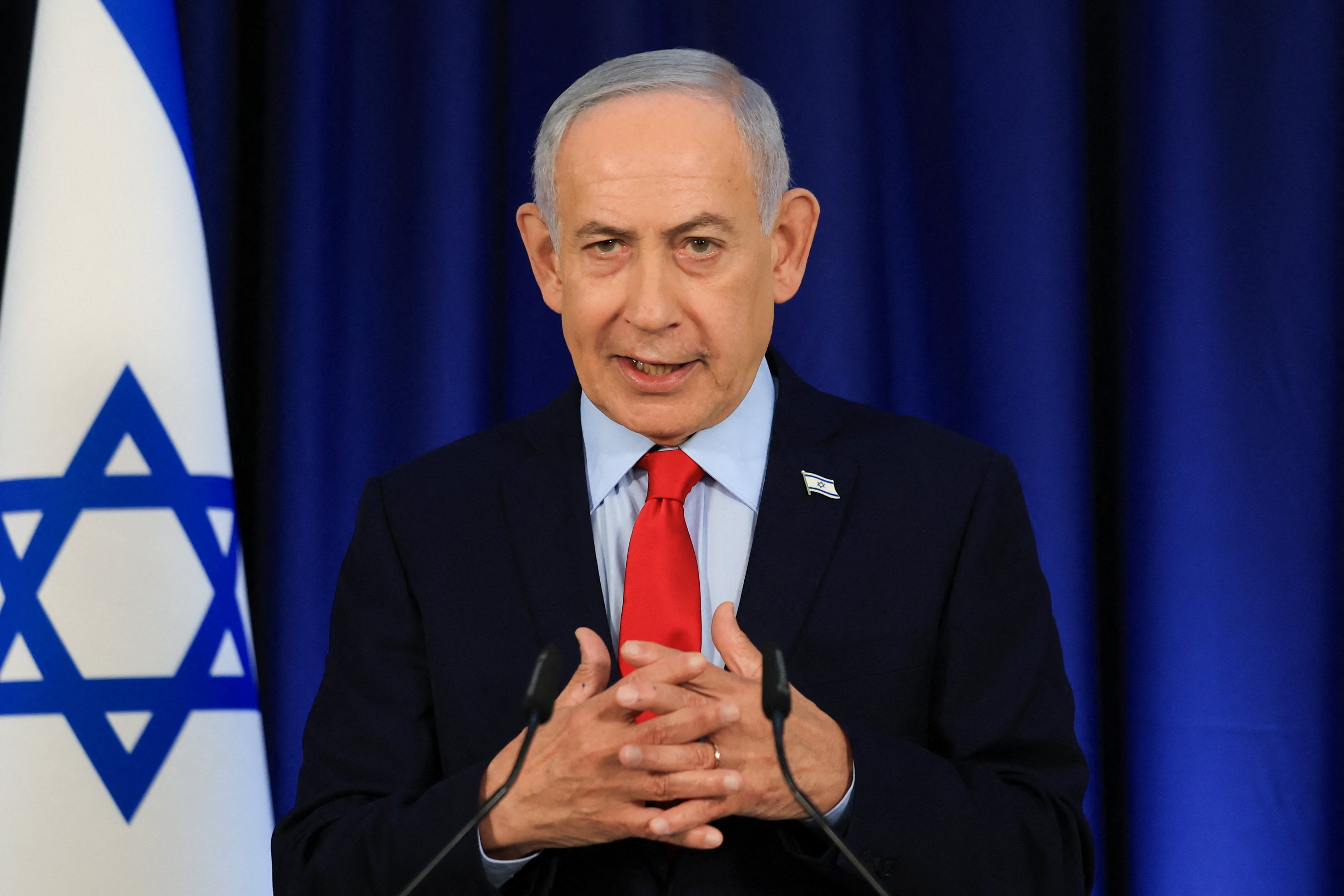
On Wednesday, Prime Minister Netanyahu spoke about the future of the war. He stated that a revolution or a change in government cannot be achieved through air strikes alone. He mentioned that there must be a "ground component" to the strategy. While he did not give specific dates or plans, the message was clear: Israel is considering sending troops into Iranian territory. At the same time, U.S. President Donald Trump said he believes the war will end very soon. He claimed that the Iranian government is failing because it no longer has strong leaders to guide it.
Important Numbers and Facts
The war is now hitting the world's energy supply very hard. Earlier this week, Israel attacked Pars South, which is known as the largest gas field on the planet. In response, Iran launched an attack on the Haifa refinery, which is the largest oil processing plant in Israel. While the Israeli government says the damage in Haifa was not severe, the regional fighting has already had a big impact. Reports show that Qatar’s ability to export liquid gas has dropped by 20% because of the ongoing violence in the region.
Background and Context
To understand why this matters, it is important to look at where the fighting is happening. Much of the world’s oil and gas travels through a narrow water passage called the Strait of Hormuz. If this area becomes too dangerous for ships, the cost of energy will go up everywhere. Iran and Israel have been enemies for decades, but they usually fought through other groups. Now, they are attacking each other directly. The United States has joined the effort, aiming to weaken the Iranian government and stop its military activities once and for all.
Public or Industry Reaction
The international community is watching these events with great concern. Mark Rutte, the head of NATO, has expressed support for the military actions. He stated that the allies are looking for ways to make sure the Strait of Hormuz stays open for trade. However, energy experts are worried. A 20% drop in gas exports from Qatar is a major problem for countries in Europe and Asia that rely on that fuel for electricity and heating. Many people fear that a ground invasion will lead to a long war that could last for many years and cause even more economic damage.
What This Means Going Forward
The next few weeks will be critical. If Israel decides to move forward with a ground operation, the war will become much more violent and complicated. Fighting on the ground is very different from dropping bombs from the sky. It requires more resources and puts many more lives at risk. Additionally, the focus on oil and gas facilities means that the global economy will remain unstable. If more refineries or pipelines are destroyed, families around the world might see their energy bills go up significantly. The main goal for the U.S. and Israel seems to be a total change in the Iranian government, but achieving that goal will not be easy or quick.
Final Take
The situation has moved beyond a simple border dispute. It is now a battle over who will control the Middle East and how the world gets its energy. By suggesting a ground war, leaders are showing that they are willing to take huge risks to win. The world must now wait to see if these threats turn into a full-scale invasion that could change the region forever.
Frequently Asked Questions
Why did Netanyahu suggest a ground invasion?
He believes that air strikes are not enough to remove the current Iranian government. He argued that to truly change the leadership of a country, soldiers must be present on the ground.
How is the war affecting gas prices?
The fighting has targeted major gas fields and refineries. Because of the danger in the region, Qatar’s gas exports have already dropped by 20%, which makes energy more expensive globally.
What is the Strait of Hormuz?
It is a very important sea route used by ships to carry oil and gas from the Middle East to the rest of the world. Keeping it open is vital for the global economy.