
Summary
A tragic incident has occurred involving the family of a senior Indian Revenue Service (IRS) officer. A former domestic worker allegedly entered the officer's home and killed his daughter. The suspect managed to get inside by using a simple lie, telling those present that the mother of the house had invited him. This case has sparked a serious conversation about home safety and the risks of hiring staff without proper background checks.
Main Impact
The primary impact of this crime is the loss of a young life in a place that should have been safe. It has sent shockwaves through the community, especially among government officials living in high-security areas. The event shows that physical gates and guards may not be enough if a person uses personal familiarity to bypass security. It highlights a major gap in how families manage former employees and the trust they place in people who once worked in their homes.
Key Details
What Happened
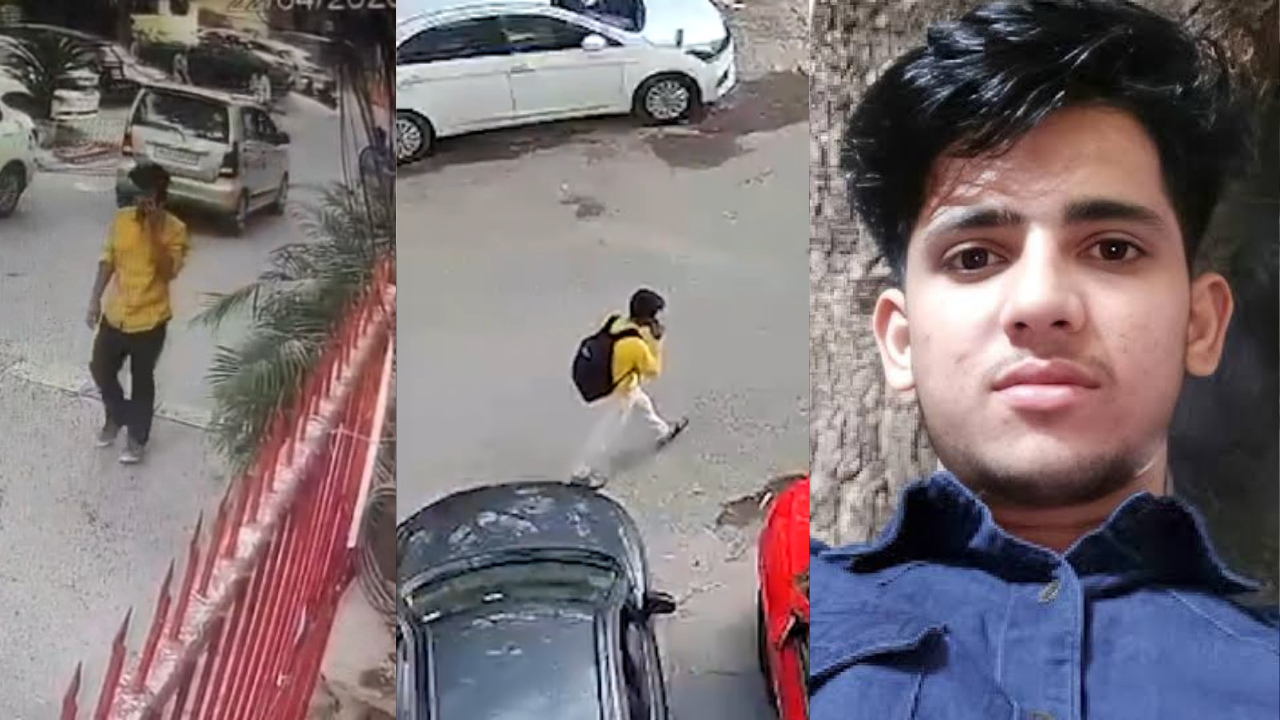
The suspect was a man who had previously worked for the family as domestic help. On the day of the crime, he arrived at the house and claimed, "Aunty ne bulaya tha," which means "Aunty had called me." Because he was a familiar face, he was allowed to enter the premises without much suspicion. Once he was inside the house, he reportedly attacked the officer's daughter. The details suggest that he took advantage of a time when the victim was vulnerable. After committing the act, the suspect fled the scene, leaving the family and the neighborhood in a state of shock.
Important Numbers and Facts
Police have identified the suspect as a former employee who had stopped working for the family some time ago. Multiple police teams were quickly formed to track his movement using mobile phone signals and local surveillance. Investigators are looking into whether the motive was robbery or a personal grudge. CCTV cameras from the residential colony and nearby streets are being checked to trace the exact path the suspect took before and after the crime. The victim was the daughter of a high-ranking official, which has brought extra attention to the speed of the legal response.
Background and Context
In many parts of India, hiring domestic help for cleaning, cooking, or driving is a standard practice. Many families rely heavily on these workers for daily chores. However, there is a formal process called "police verification" that is supposed to be done for every new hire. This involves submitting the worker's ID and details to the local police station so they can check for any criminal past. In many cases, families skip this step because they feel they can trust the person or because the process seems like too much work. This incident serves as a painful reminder of why these safety steps are necessary.
Public or Industry Reaction
The public reaction has been one of anger and fear. Many people on social media are sharing their own stories of security lapses with domestic staff. Residents in similar housing societies are now calling for stricter rules regarding the entry of former employees. There is a growing demand for digital security systems that require a resident's direct approval on a smartphone before any visitor is allowed inside. Security experts are also advising families to change their door locks and inform building security immediately whenever a staff member is fired or leaves their job.
What This Means Going Forward
Going forward, there will likely be a push for mandatory registration of all domestic workers in the city. Local police departments may start door-to-door drives to ensure that residents have filed the necessary paperwork for their employees. For families, this event means a shift in how they handle household security. It is no longer enough to just have a guard at the gate. There needs to be a clear rule that no former worker is allowed inside without a confirmed phone call from the homeowner. This tragedy will likely lead to more people using professional agencies to hire staff, as these agencies often perform their own background checks.
Final Take
Trust is a vital part of any household, but it must be balanced with caution. This case shows that even a familiar face can hide dangerous intentions. Protecting a home requires more than just locks; it requires a strict routine of verifying who comes and goes. While the police continue their search for the suspect, the lesson for everyone else is clear: never ignore safety protocols, even for someone you think you know well.
Frequently Asked Questions
What is police verification for domestic help?
It is a process where the employer submits the worker's identity documents to the local police. The police then check their records to see if the person has a history of criminal activity.
How did the suspect get into the house?
The suspect used his previous connection with the family. He told the people at the house that the mother had invited him over, which allowed him to enter without being stopped.
What can families do to improve home security?
Families should always verify new workers with the police, use security apps for visitor entry, and ensure that security guards are told exactly who is no longer allowed on the property.



