Summary
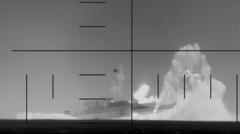
More than 200 Iranian sailors have finally returned to their home country after being stranded abroad for an extended period. These individuals are the survivors of a violent encounter involving a United States torpedo attack on the Iranian vessel known as the Iris Dena. The attack was a major maritime incident that resulted in the deaths of 104 people who were on board the ship at the time. The return of these sailors marks the end of a long and difficult journey for the survivors and their waiting families.
Main Impact
The arrival of these sailors in Iran has created a wave of mixed emotions across the country. While there is a sense of relief that these men are finally safe on home soil, the event is overshadowed by the heavy loss of life. The death of 104 crew members makes this one of the most serious naval incidents in recent years. This event has further strained the already difficult relationship between the United States and Iran, raising concerns about the safety of international waters and the potential for more military conflict at sea.
Key Details
What Happened
The Iranian ship Iris Dena was traveling through international waters when it was targeted by a US torpedo. The impact of the weapon caused severe damage to the vessel, leading to its eventual sinking. During the attack and the moments that followed, 104 people lost their lives. The survivors were forced to leave the ship and were later picked up and taken to a neutral location. Because of the political sensitivity of the situation, it took a long time to arrange for their safe return to Iran. The sailors were kept in a holding area while diplomats and officials worked out the details of their repatriation.
Important Numbers and Facts
The scale of this incident is significant. Official reports confirm that over 200 sailors were part of the group that returned home this week. The death toll stands at 104, which includes both high-ranking officers and general crew members. The Iris Dena was a key vessel in the Iranian fleet, and its destruction represents a major loss for the country's maritime operations. The return process involved multiple flights and careful coordination to ensure the survivors could be reunited with their families as quickly as possible once they reached Iranian soil.
Background and Context
To understand why this event is so important, it is necessary to look at the history of the region. The waters where Iranian and US ships operate are often the site of high tension. Both countries have a large military presence in these areas to protect their interests and monitor trade routes. Over the years, there have been several close calls and minor skirmishes, but a direct torpedo attack that sinks a ship and kills over 100 people is a rare and extreme escalation. This incident happened at a time when political talk between the two nations was already at a low point, making the situation even more dangerous.
Public or Industry Reaction
In Iran, the return of the sailors was treated with great respect and sadness. Large crowds gathered to meet the survivors, and many people held photos of the 104 sailors who did not make it back. Government officials held a formal ceremony to welcome the men and promised to support the families of those who died. On the international stage, many maritime experts have expressed worry. They fear that such attacks could lead to a cycle of revenge that makes it unsafe for any commercial or military ships to travel through these busy sea lanes. Some human rights groups have also called for a full investigation into the attack to see if international laws were broken.
What This Means Going Forward
The return of the survivors is just the beginning of a new phase in this conflict. Iran is expected to take the matter to international courts to seek justice for the loss of the Iris Dena and its crew. There is also the risk that Iran might respond with its own military actions, which could lead to more problems in the region. For the survivors, the road ahead will be hard as they deal with the physical and mental trauma of the attack. The United States will likely face pressure from the international community to explain the reasons behind the torpedo strike and to justify why such a high level of force was used against the vessel.
Final Take
The return of the Iris Dena sailors is a somber moment that highlights the human cost of political and military disputes. While the 200 survivors are now home, the memory of the 104 people who died will continue to influence the relationship between the US and Iran for a long time. This event serves as a clear warning of how quickly tensions at sea can turn into a tragedy that affects hundreds of families and changes the course of international relations.
Frequently Asked Questions
How many people died in the attack on the Iris Dena?
A total of 104 people lost their lives when the Iranian vessel was hit by a US torpedo.
How many survivors returned to Iran?
More than 200 sailors who survived the attack and were stranded abroad have now returned to their home country.
What was the name of the ship involved in the incident?
The ship was an Iranian vessel named the Iris Dena.