
Summary
Irish Prime Minister Micheál Martin has announced a massive fuel tax cut worth 505 million euros ($592 million). This decision comes after days of intense protests by farmers and truck drivers who are struggling with the high cost of living. The protesters blocked the country’s only oil refinery and several fuel depots, leading to gas shortages at many stations. The government hopes this new financial package will end the blockades and help lower prices for workers and families across the nation.
Main Impact
The protests have had a major impact on daily life in Ireland. For nearly a week, fuel tankers were unable to deliver gas to service stations because of the roadblocks. This caused about one-third of the country’s gas pumps to run dry by the weekend. The government’s new tax cut is a direct response to this pressure, aiming to lower the financial burden on citizens. However, the situation has also created a political crisis, with opposition parties now calling for a vote to remove the current government from power.
Key Details
What Happened
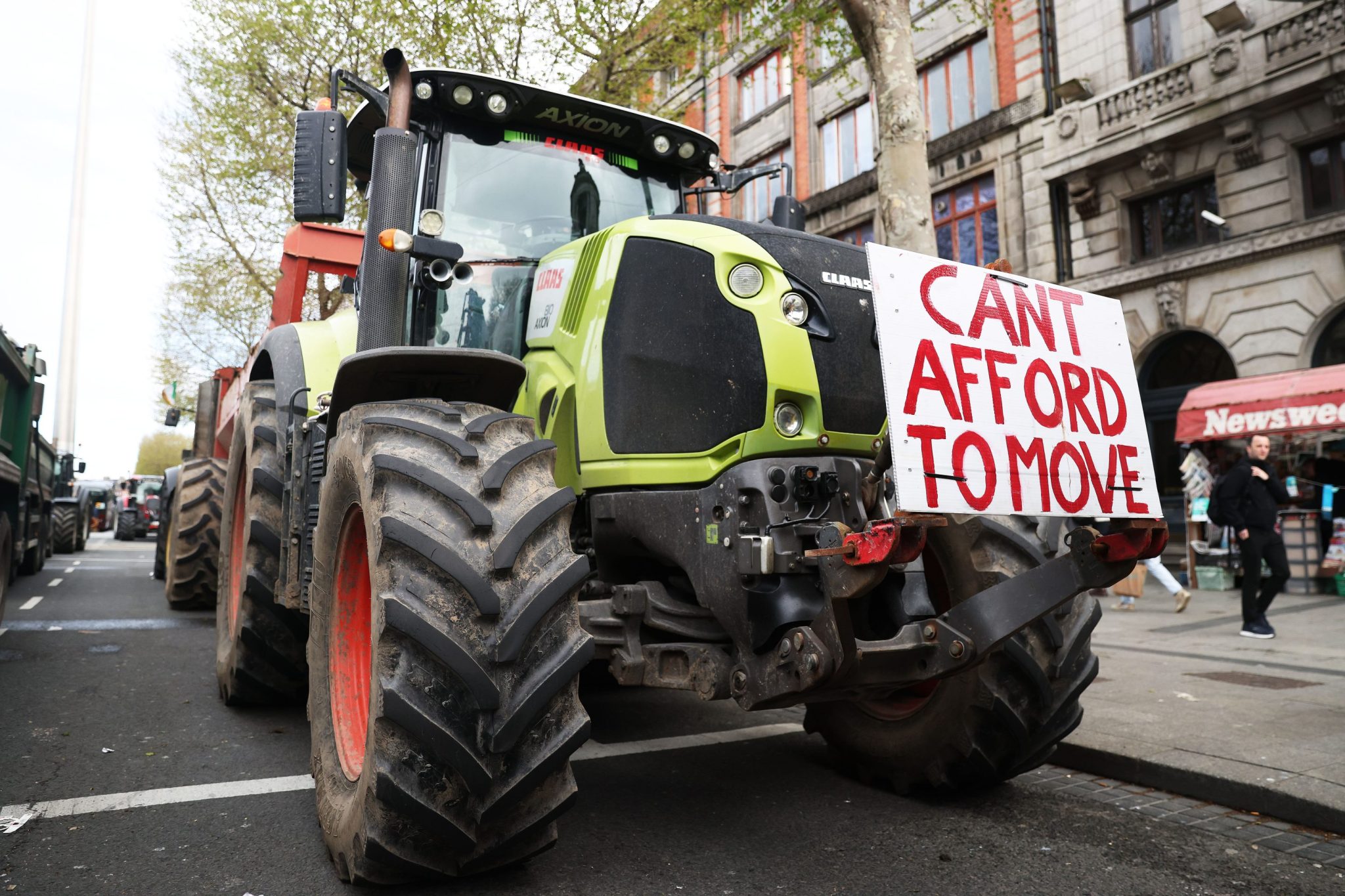
The protests began early in the week and quickly grew in size. Truckers, farmers, and taxi drivers used their vehicles to create slow-moving convoys on major highways. More importantly, they blocked the entrance to the Whitegate refinery in County Cork and several other fuel storage sites. These actions were meant to force the government to address the soaring cost of fuel, which many workers say is making it impossible to stay in business.
By Saturday, the situation became tense as police began to move in. Officers used pepper spray to clear protesters from the refinery and warned that the blockades were putting public safety at risk. In Dublin, police ordered tractors to leave the main streets, and in Galway, they used a military vehicle to break through a makeshift barrier at the docks. While some protesters have now agreed to leave, the damage to the fuel supply chain has already been done.
Important Numbers and Facts
The new relief package is valued at 505 million euros. This is in addition to a 250 million euro tax break that was approved just three weeks ago. Together, these measures represent a significant attempt by the state to control rising costs. Despite these efforts, industry experts warn that it could take up to 10 days for gas stations to return to normal supply levels. At the height of the protest, more than 33% of fuel stations had no gas left to sell to the public.
Background and Context
The reason fuel prices have gone up so much is linked to events far away from Ireland. A war between the United States, Israel, and Iran led to the closure of the Strait of Hormuz. This area is a very important water passage that a large portion of the world’s oil must travel through. When this passage was closed, the global supply of oil dropped, causing prices to jump everywhere in the world.
In Ireland, people were already struggling with the general cost of living. When gas prices spiked even higher, it became the breaking point for many. Farmers and transport workers felt they had no choice but to protest to get the government’s attention. They argued that without help, they would lose their jobs and their businesses.
Public or Industry Reaction
The reaction to the government’s offer has been mixed. Some protesters, like agricultural contractor Neilus O’Connor, said it was a shame they had to go to such extremes just to get a fair deal. Many workers feel the government waited too long to act. Meanwhile, the fuel industry has expressed relief that the refinery is reopening, but they are worried about the time it will take to refill empty stations.
Politically, the reaction has been harsh. The main opposition party, Sinn Fein, has stated that the public has lost all trust in the current leadership. They believe the government does not understand how hard life has become for regular people. Other smaller parties have joined this criticism, leading to a planned vote of no confidence that could potentially change the country's leadership.
What This Means Going Forward
In the short term, the focus will be on getting fuel moving again. Now that many blockades have been lifted, tanker trucks can start making deliveries. However, drivers should still expect some shortages over the next week. The government must also get the new tax cuts approved by parliament before they can take effect. If the opposition parties succeed in their vote of no confidence, Ireland could face a period of political uncertainty or even a new election.
Final Take
This crisis shows how much a global conflict can affect local lives. While the Irish government is offering a large amount of money to fix the problem, the anger among workers remains high. The coming days will reveal if these tax cuts are enough to satisfy the public or if the political fallout will lead to a change in the nation's leadership. For now, the priority is simply getting the country moving again and ensuring that essential services have the fuel they need.
Frequently Asked Questions
Why are fuel prices so high in Ireland?
Prices rose because of a conflict in the Middle East involving the U.S., Israel, and Iran. This war led to the closure of the Strait of Hormuz, which stopped a lot of the world's oil from being shipped, causing global prices to rise.
How much is the government cutting taxes on fuel?
The government has proposed a new cut of 505 million euros. This is on top of a previous 250 million euro cut, bringing the total recent relief to over 750 million euros.
When will gas stations have fuel again?
While the refinery and depots are reopening, it will take time to deliver the fuel to every station. Experts believe it could take up to 10 days for the entire country to have a normal supply of gas again.



